

Entry requirements
This is what has changed the most in recent months, and many online guides are out of date. Two things to know before you book.
The digital arrival card. Since 1 May 2025, all foreign travellers must fill in the Thailand Digital Arrival Card, the TDAC, online. It is completed within the seventy two hours before arrival, and it is compulsory whatever your status, visa exemption included. It is not a visa, it is a form, but without it you can be refused boarding.
The visa exemption, and the current catch. French citizens enter without a visa for tourism, and the stay is currently sixty days, extendable by thirty on the spot for about 1,900 baht. The rules depend on your nationality, so check the ones that apply to you.
Except that this duration is on borrowed time. The Thai government approved a return to thirty days in May 2026, then confirmed in July that France was on the list of countries concerned. The measure only comes into force fifteen days after its publication in the Thai Royal Gazette, and that publication still had not happened by mid August 2026.
In other words: as I write, it is still sixty days for French citizens, but it could switch to thirty overnight. If your stay is longer than a month, check the duration in force before you book, on the website of the Thai embassy in your country.
The rest is standard: a passport valid for six months after entry, and an onward ticket that you may be asked for at check in. The authorities can also ask for proof of funds, around 20,000 baht in cash. In practice it is rare, but it is in the rules.
One last point that does not concern everyone: visa free entries by land are limited to two per year per traveller. Entries by air are not capped.
What we had to do. No visa to apply for. One form to fill in online before arriving, and that was it. That is exactly the digital arrival card described above: it does not replace a visa, it comes on top of the exemption.
When to go
From November to February, it is the cool dry season, the best window for the whole country. Bangkok is bearable, the north is mild, and the west coast is dry.
From March to May, the heat becomes overwhelming, especially in Bangkok. The north also has its burning season, which fills the air with smoke around Chiang Mai.
From June to October, it is the monsoon. The rains are short and heavy at first, then more persistent towards the end. The sea picks up, and some connections to the west coast islands become less frequent.
Worth knowing if you combine the north and the islands like we did: Thailand's two coasts do not have the same rainy season. The west coast, home to Koh Phi Phi and Koh Lanta, is at its best from December to March.
We went in April. We had good weather from start to finish, and very little burning, barely noticeable in Chiang Mai. That was lucky: April is right in the risky period for the north.
The itinerary, stop by stop
Two weeks, five stops, and a simple logic: the capital, then the north, then the islands, and back through Bangkok for the flight.
- BangkokThree days to get into the country
- Chiang MaiFour days, two of them trekking
- Chiang RaiA day trip from Chiang Mai
- Koh Phi PhiTwo days on the west coast
- Koh LantaTwo calmer days
Bangkok, three days
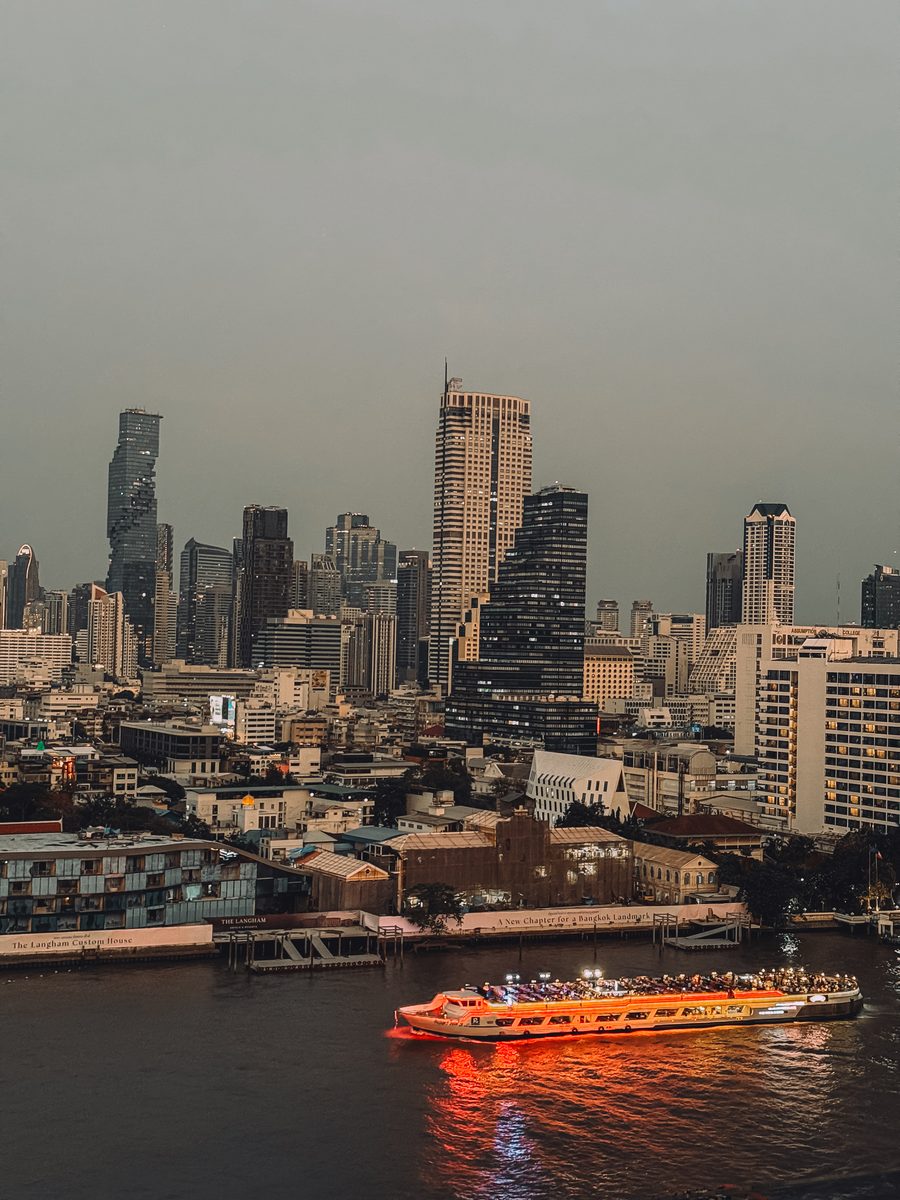
The gateway to the country, and the stop where you get over the jet lag. Three days are enough to see the essentials without wearing yourself out.
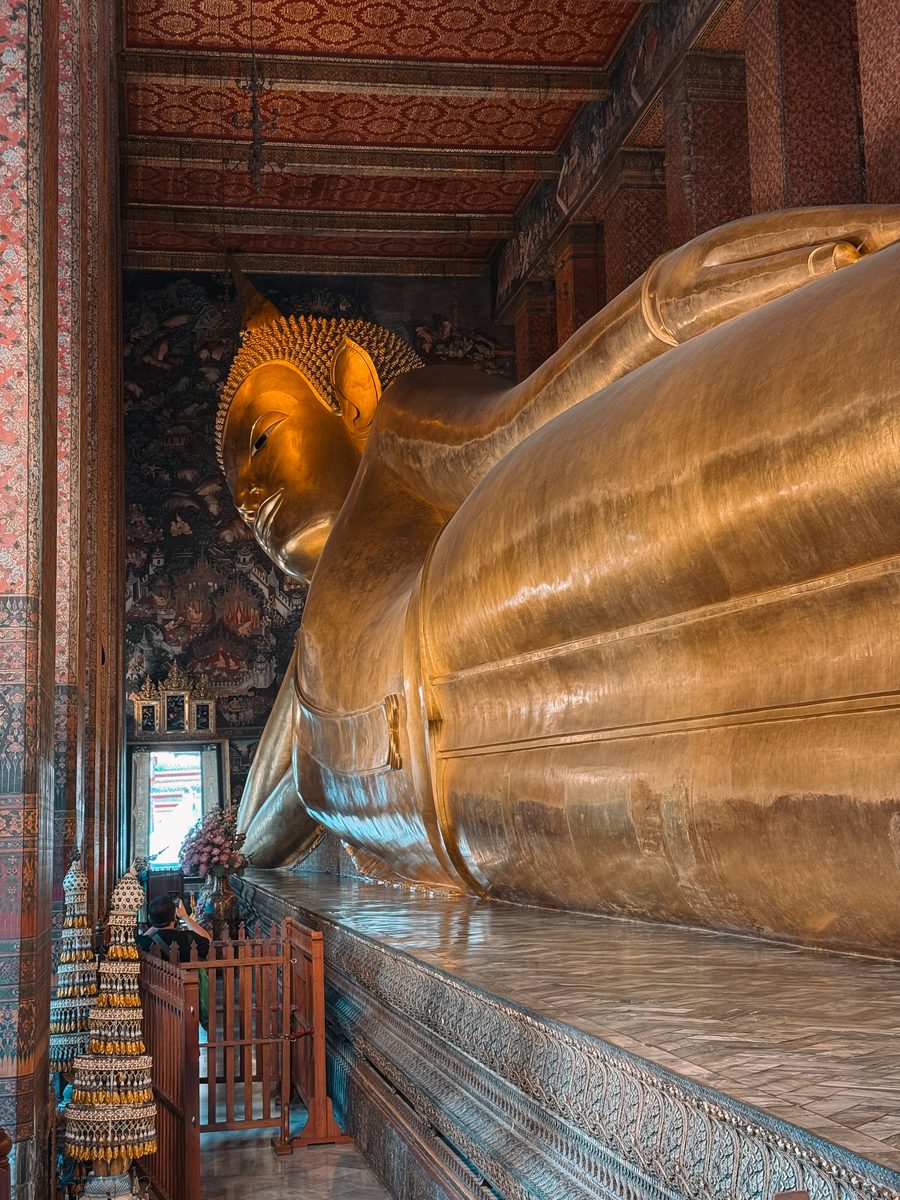
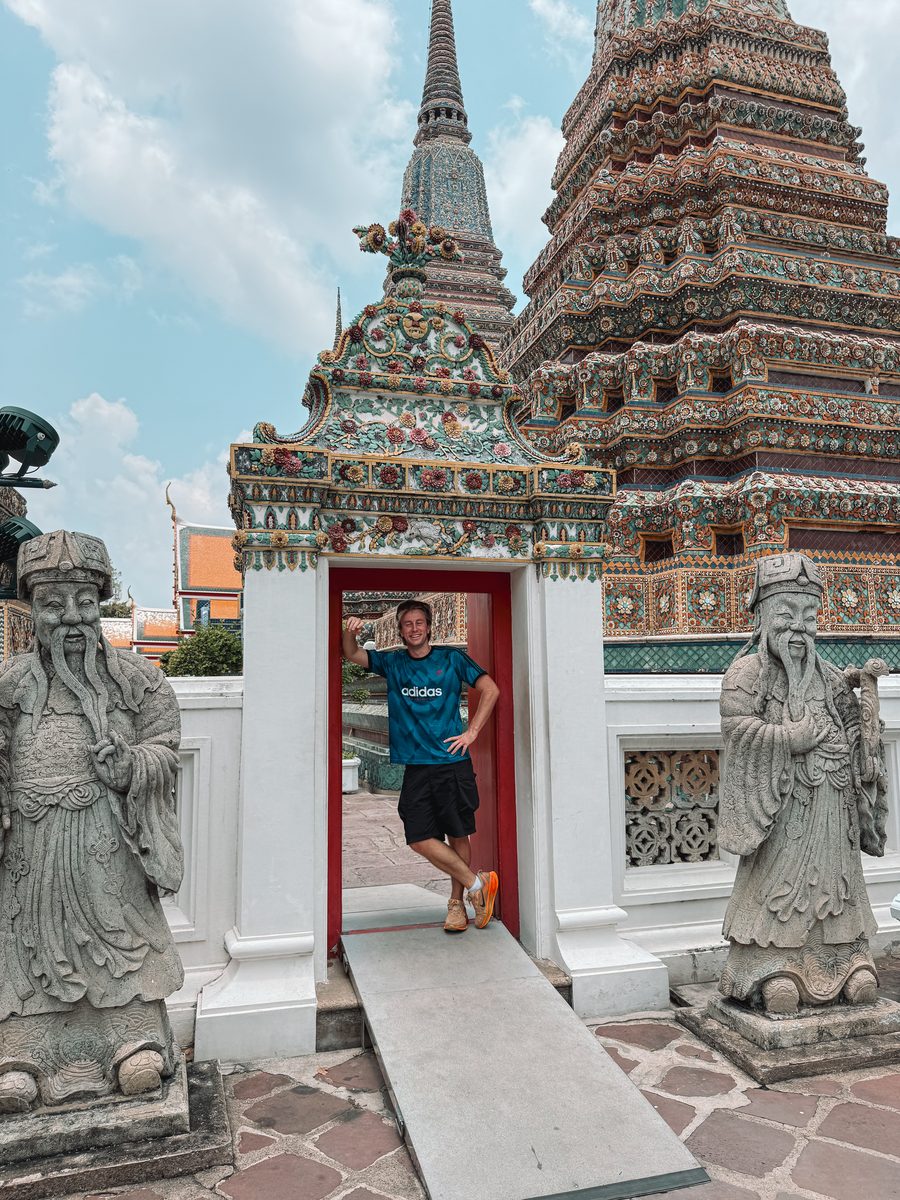
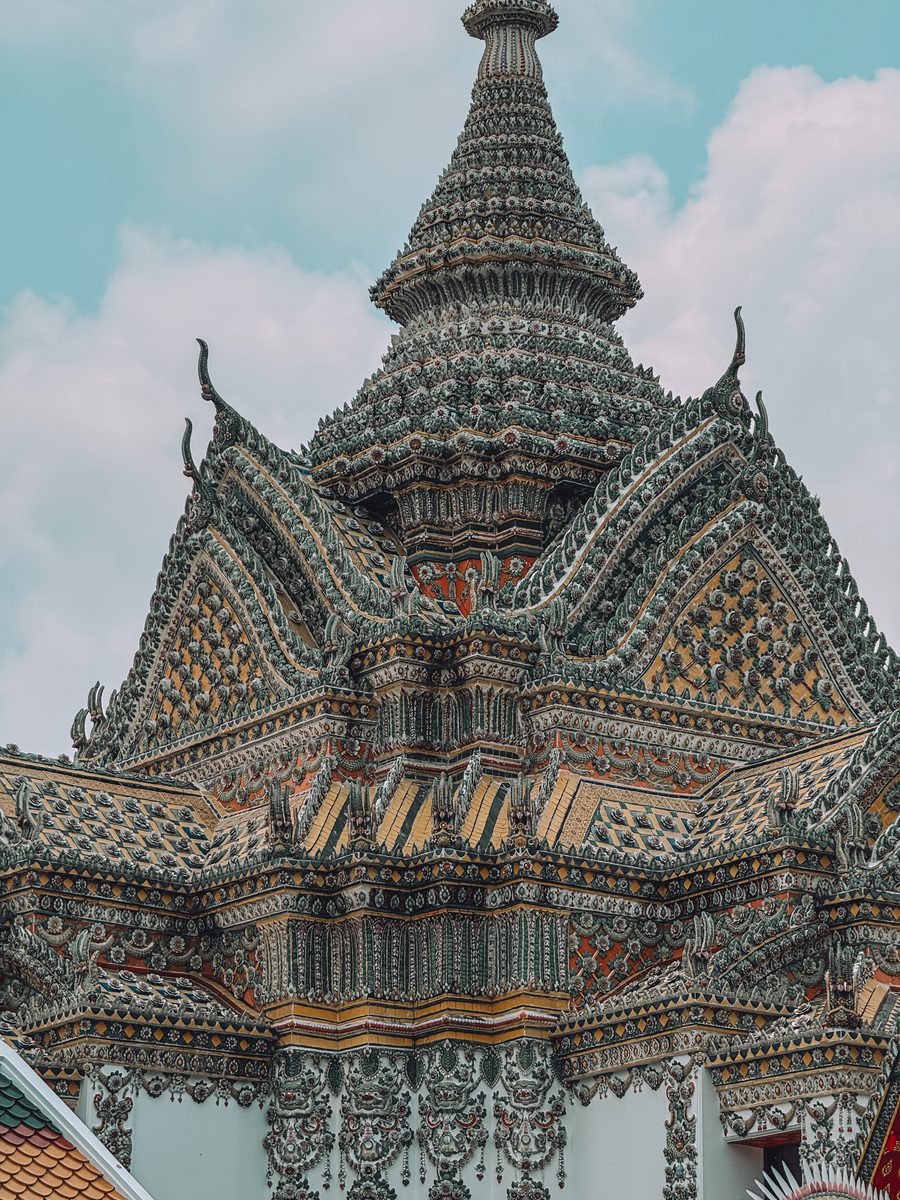
Wat Pho and its reclining Buddha, my favourite temple in the city. The floating market, truly unusual, worth the trip even if it is touristy.
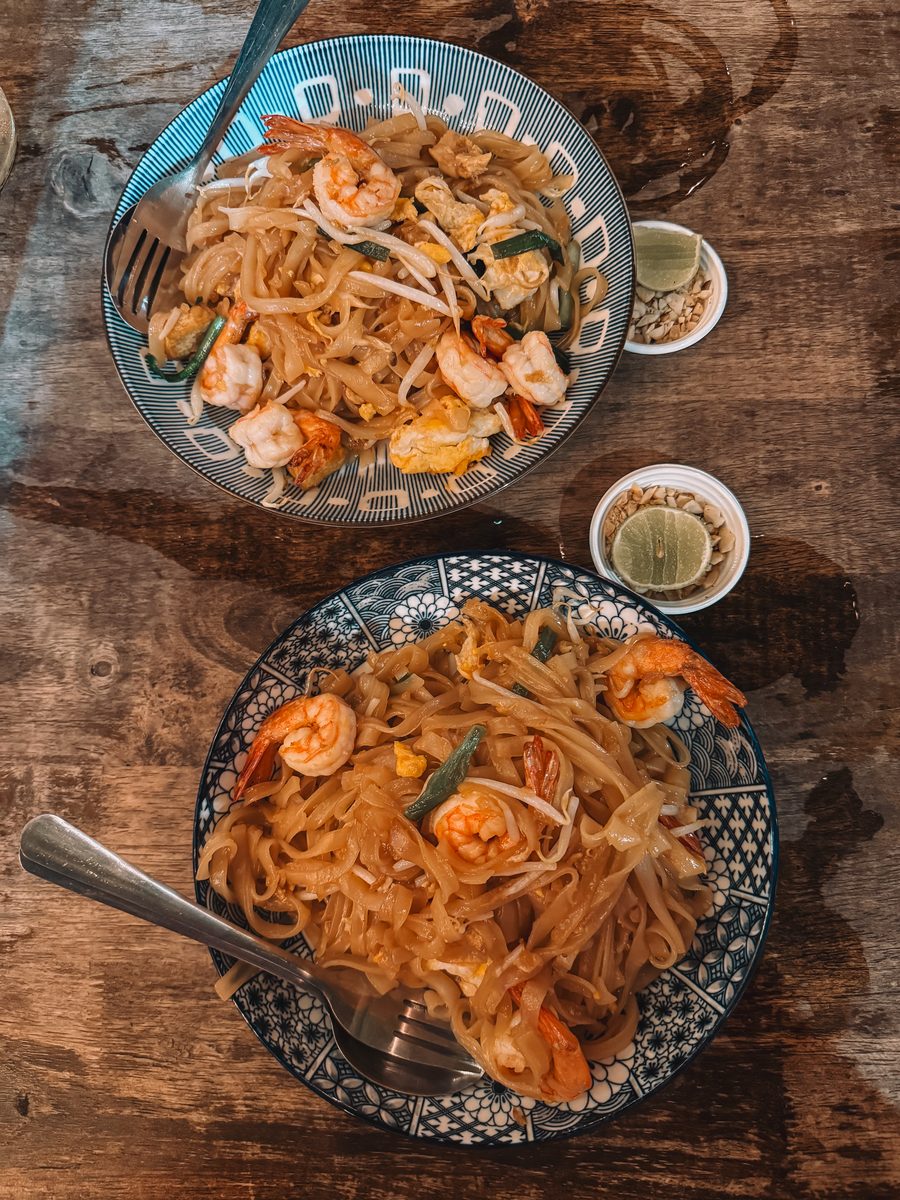
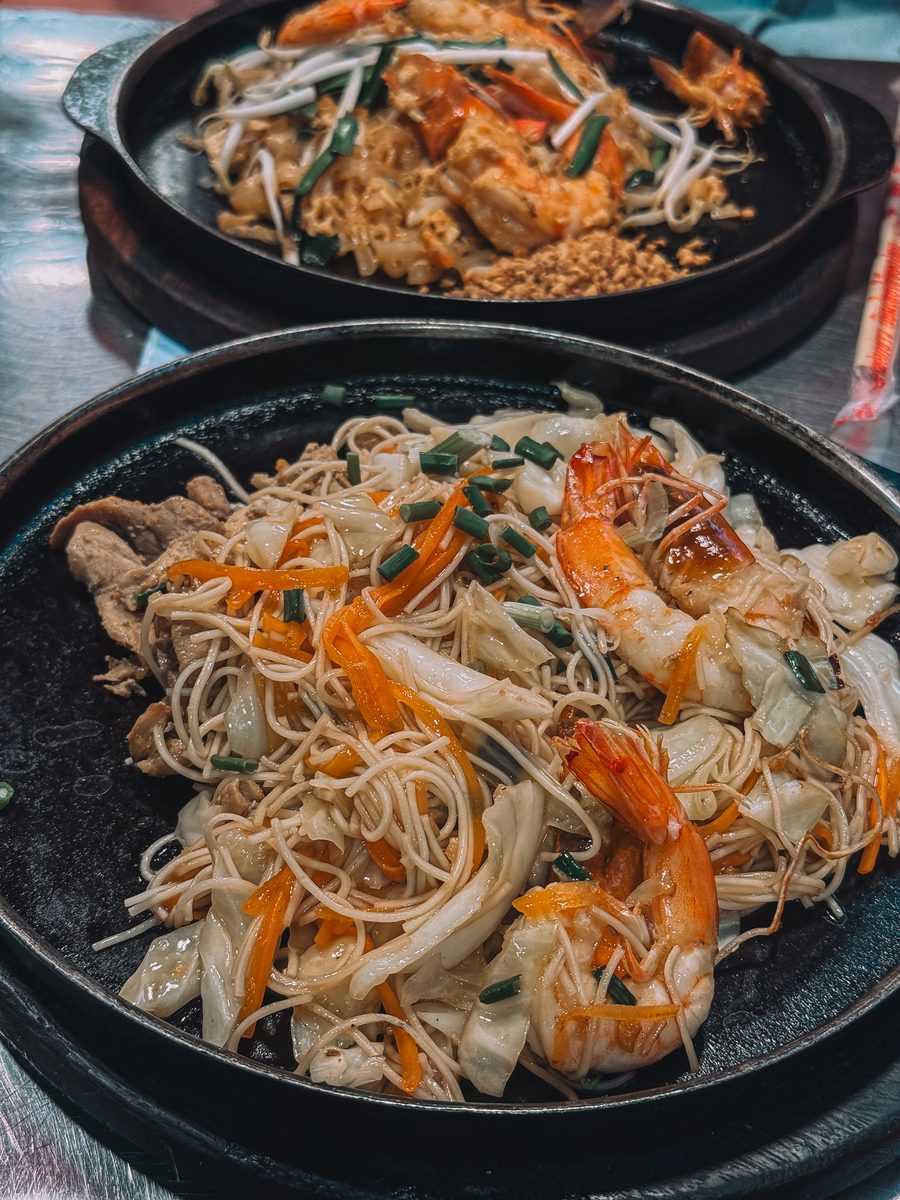
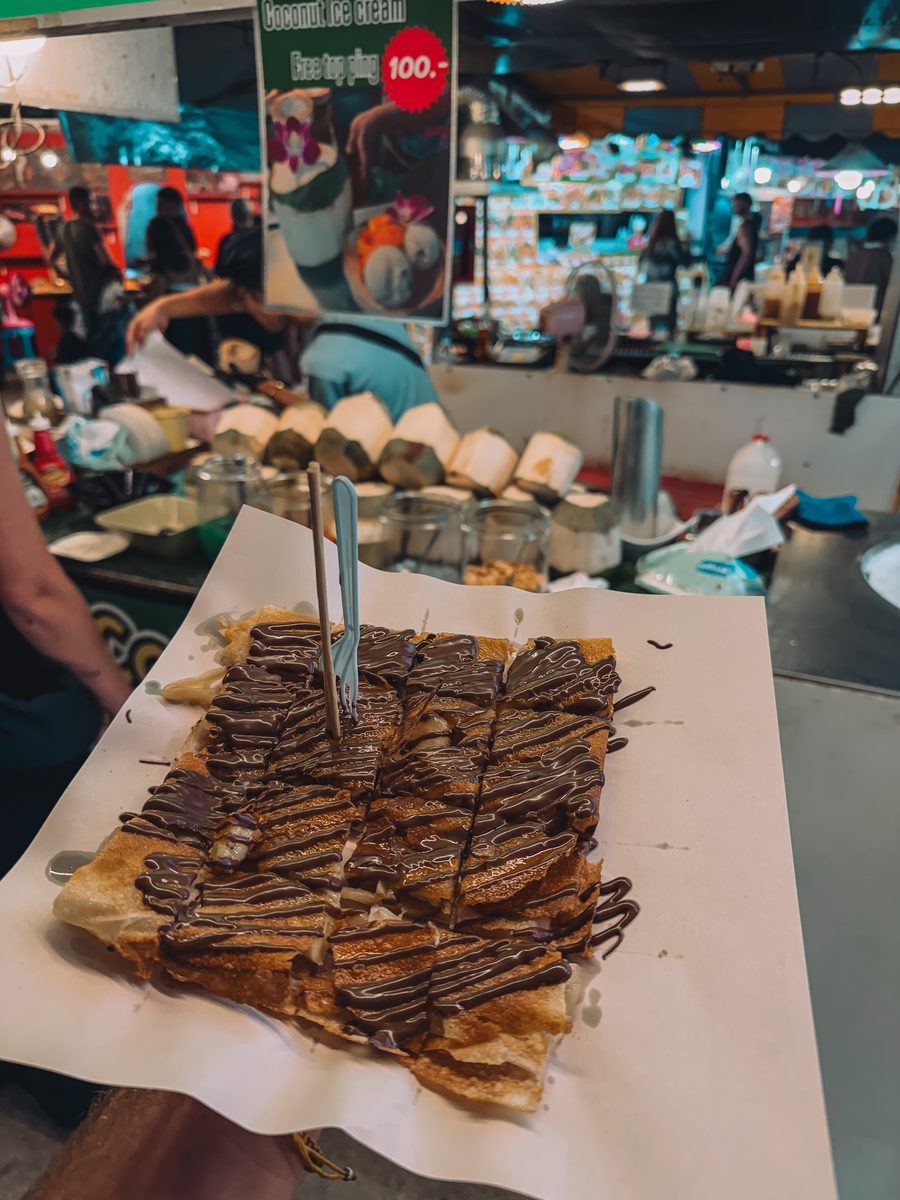
Chinatown is my favourite neighbourhood, and it is also where I recommend staying. It is the best place in Bangkok for street food, by far.
For the view, two free spots. Lumpini Park, with the rooftop of the Dusit Central Park right opposite: go up to the sixth floor. And Icon Siam, the giant mall on the river, whose rooftop at the very top is worth the detour, as is the Apple Store terrace.
The rest is massages, street food, and a stop at Khao San Road, much livelier and noisier.
The real tip for getting around: Grab motorbike taxis. They are very practical in the traffic jams, and it is a feeling of freedom that is hard to describe until you have tried it.


Chiang Mai, four days
The north of the country, an hour's flight or a night train from Bangkok. The city is surrounded by mountains, and it is where the treks start.
Of the four days, two went on a jungle trek and one on a day trip to Chiang Rai. That leaves one day for the city itself.
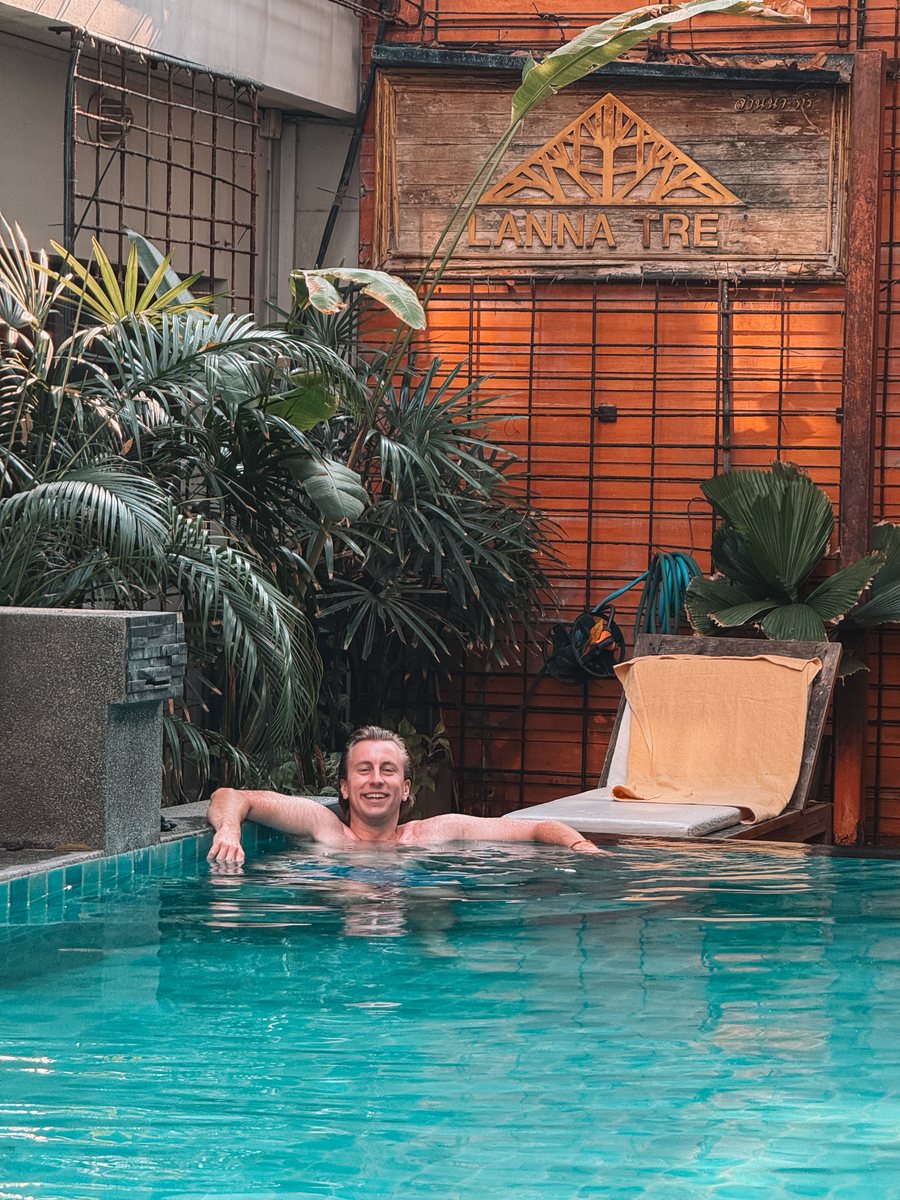
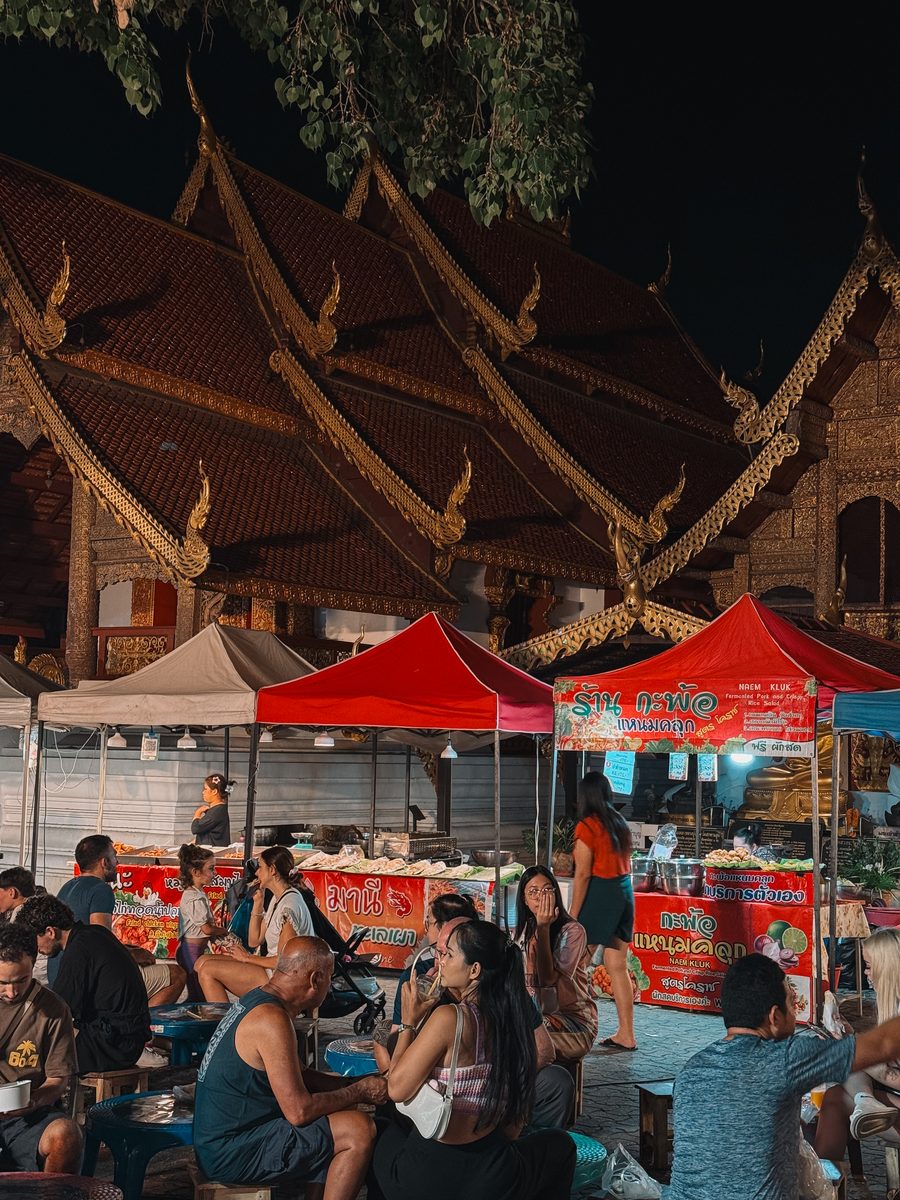
On the city day: visiting a temple in the centre, street food at the night markets, there are some in several neighbourhoods, and a Thai boxing match in the evening.
How we split the four days, and I would do it exactly the same way again: one day in Chiang Mai, two days trekking, one day in Chiang Rai. It is packed, but it is the right balance when you are short on time.
The trek, two days in the jungle
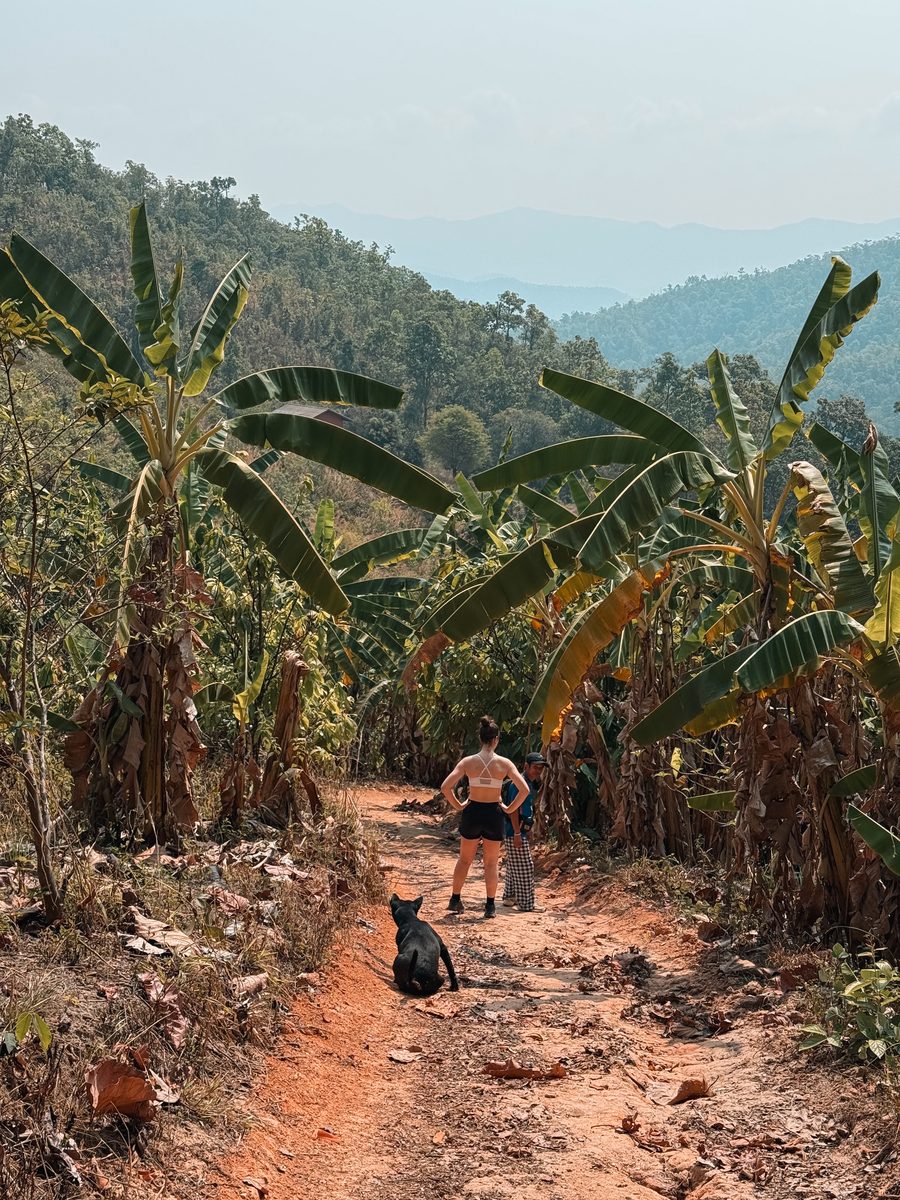
Two days and one night in the jungle around Chiang Mai, with elephants, waterfalls and a ride down the river on a bamboo raft.
We went with PM Tour, booked on the spot in Chiang Mai. We slept in a house on stilts, in the middle of the jungle, with nothing around.
Over the two days: walking in the forest, waterfalls, elephants, and passing through villages. It is the kind of stop you cannot replace with a day trip, because the night out there is what makes the difference.

Chiang Rai, one day
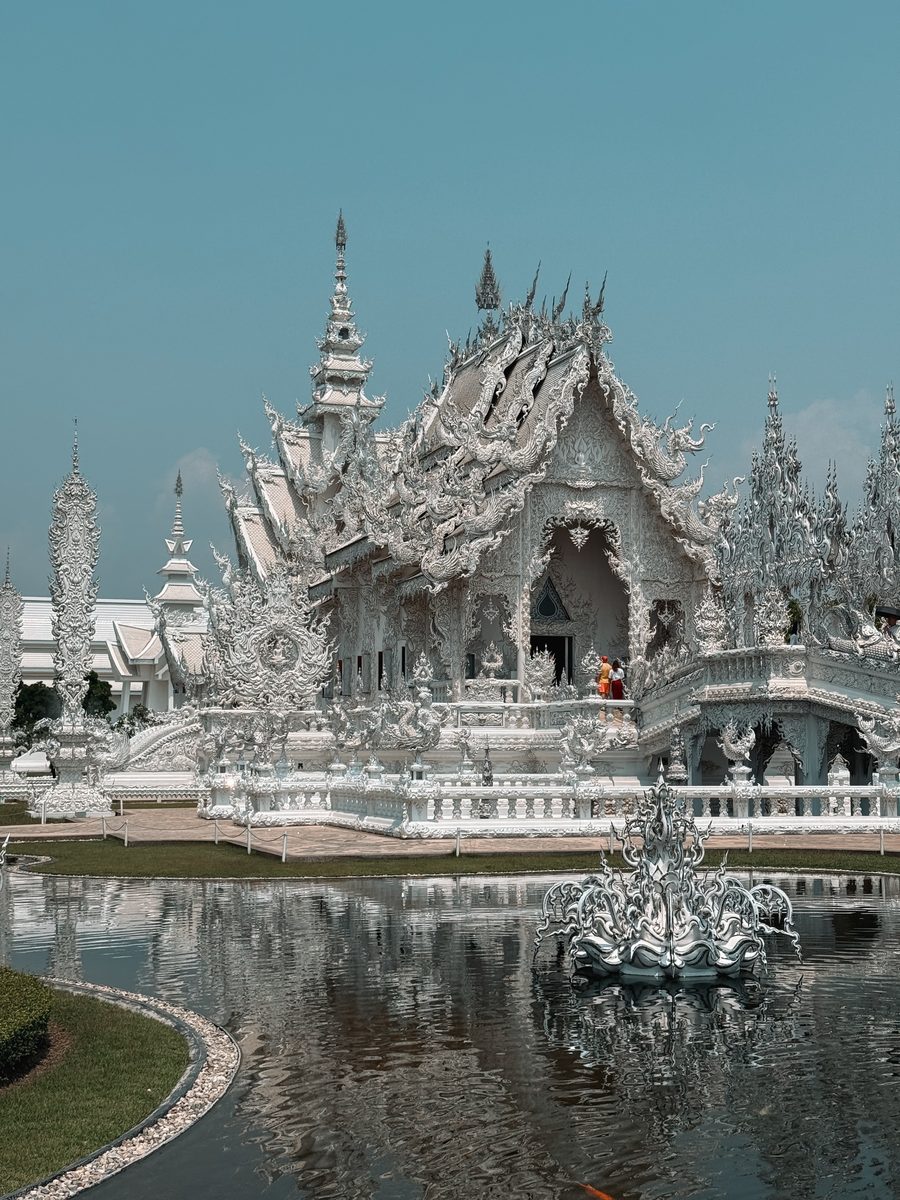
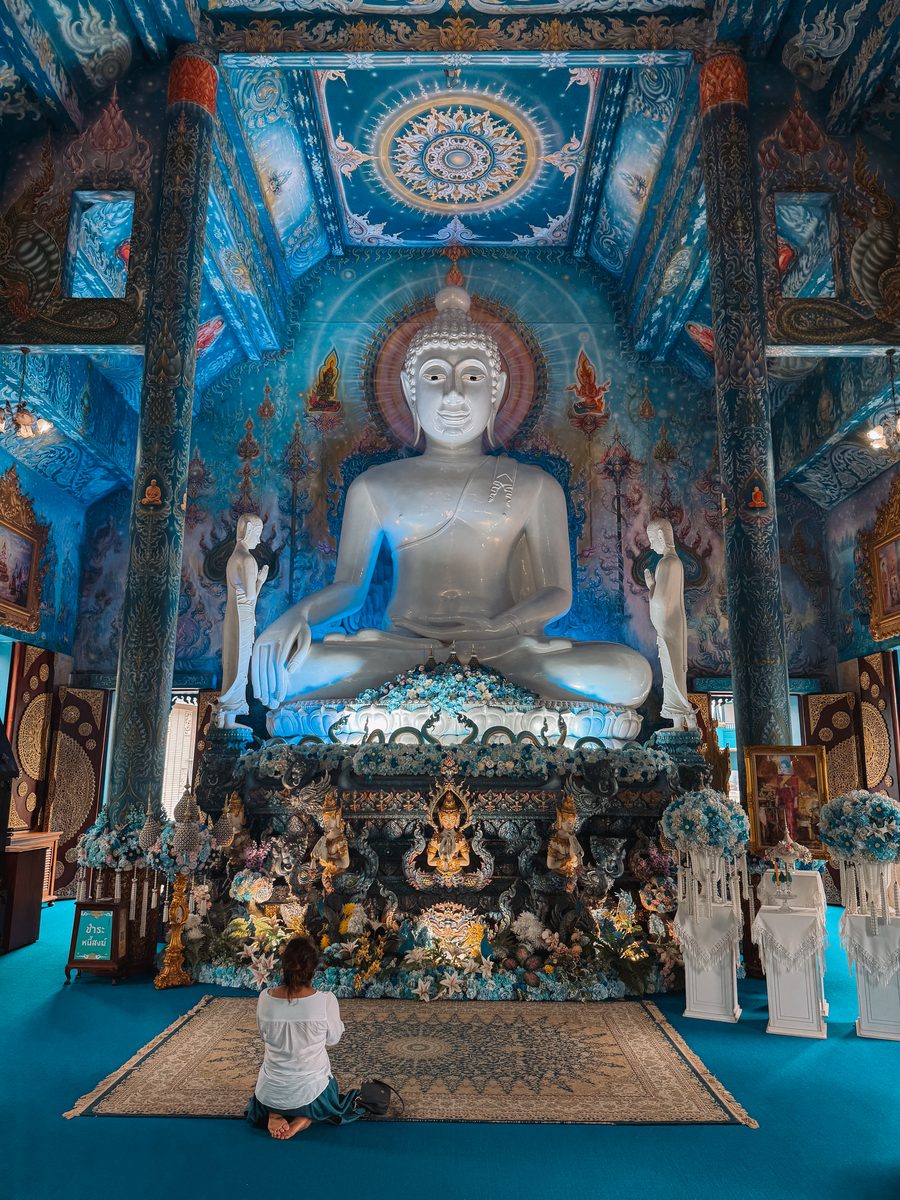
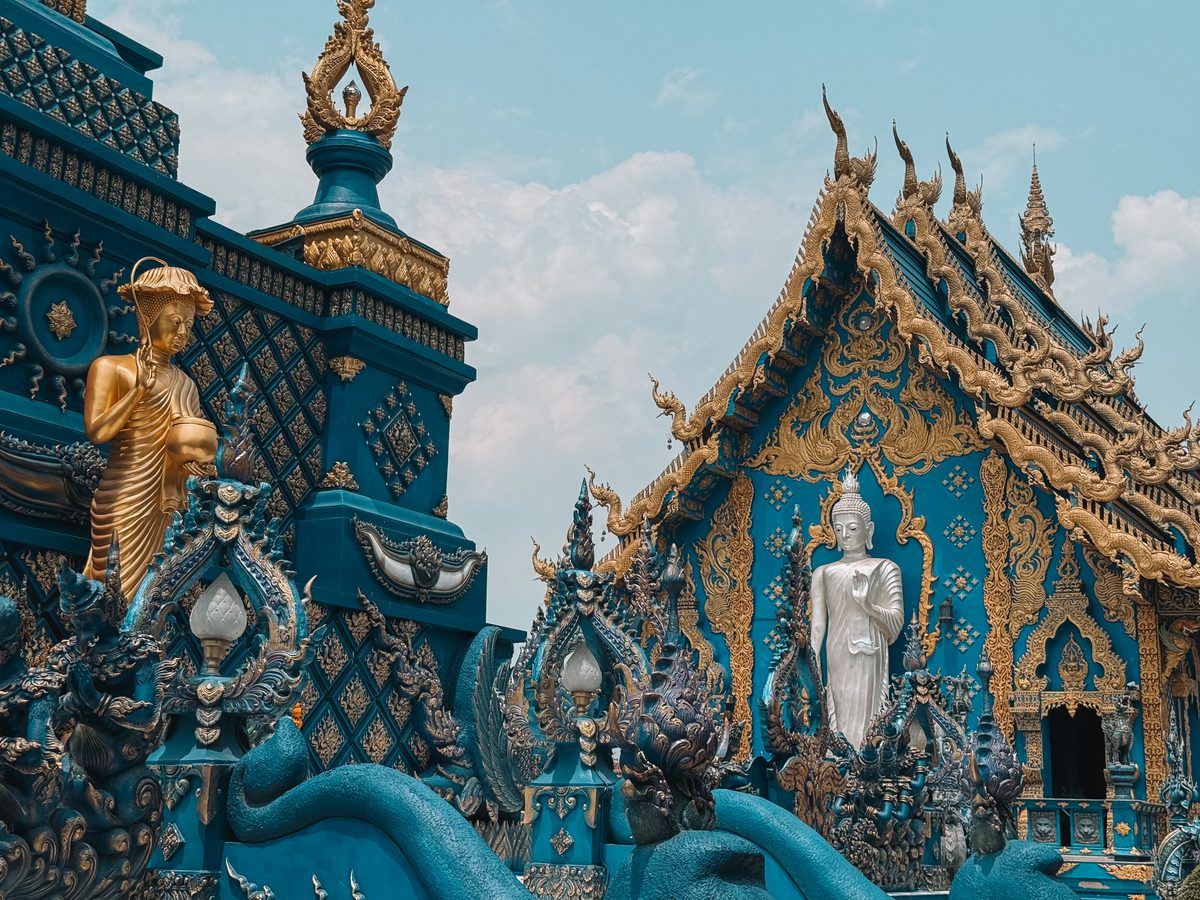
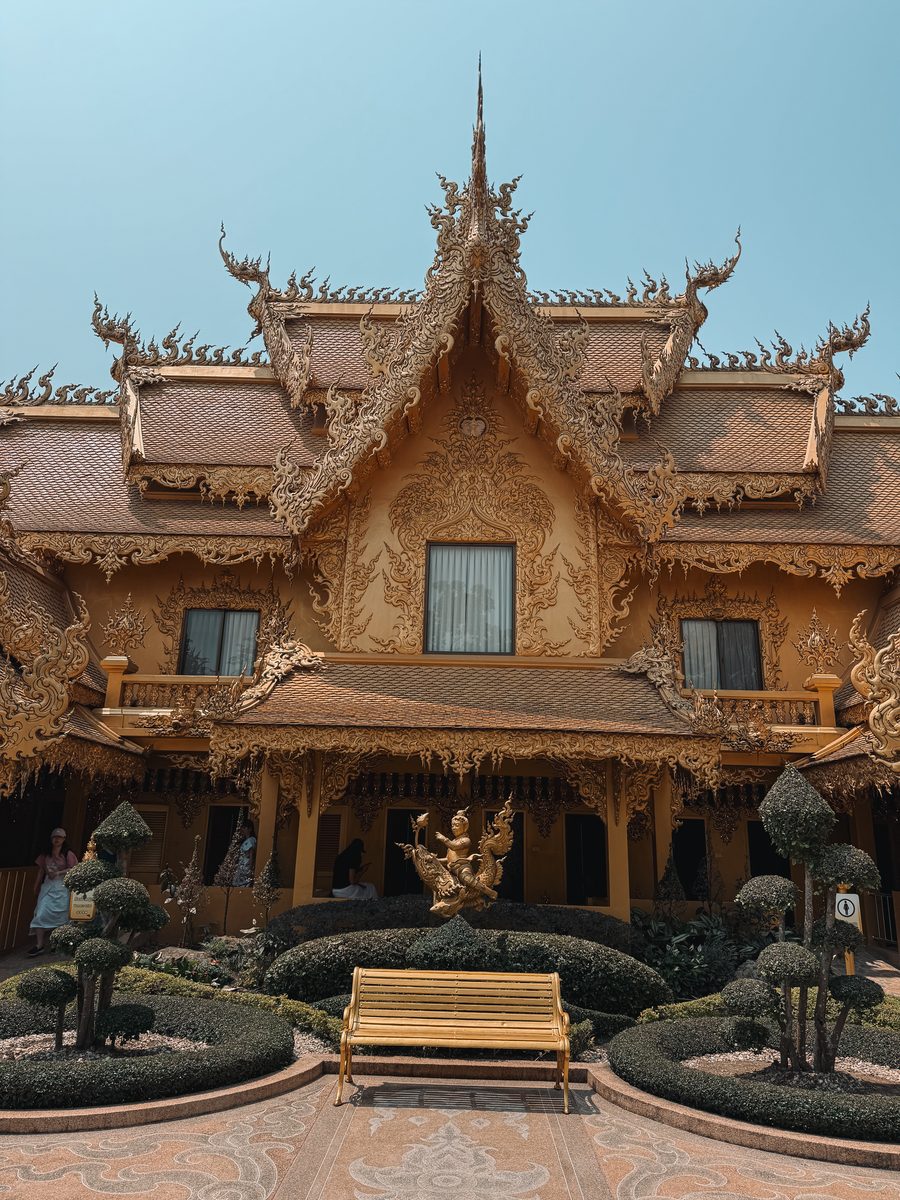
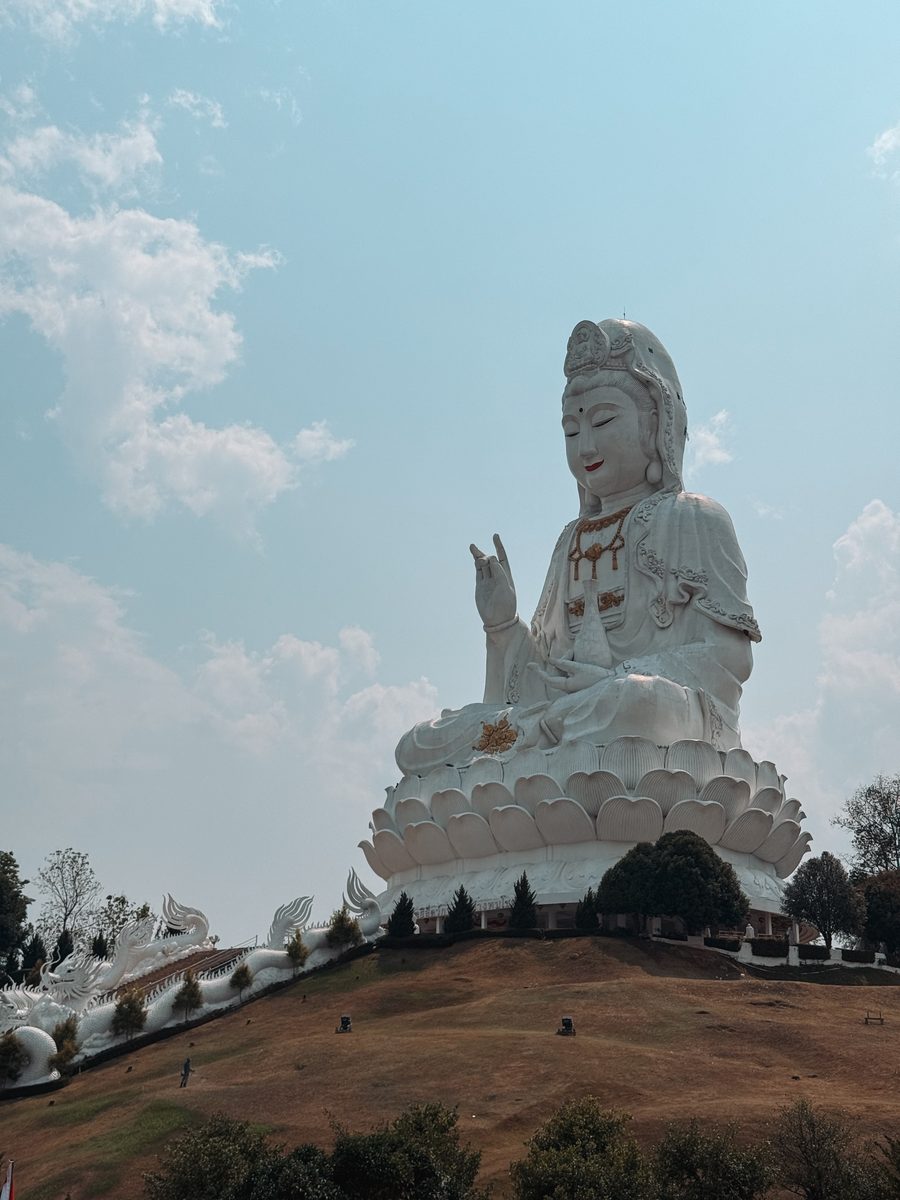
Three hours' drive from Chiang Mai, it is visited as a day trip. You go for its temples, the White Temple, the Blue Temple and the Black House, which have nothing to do with classic Buddhist architecture.
How we did it. A tour booked the day before in the centre of Chiang Mai, for 30 € for the day. Pick up at the hotel at 7 am in a minivan, then almost three hours on the road.
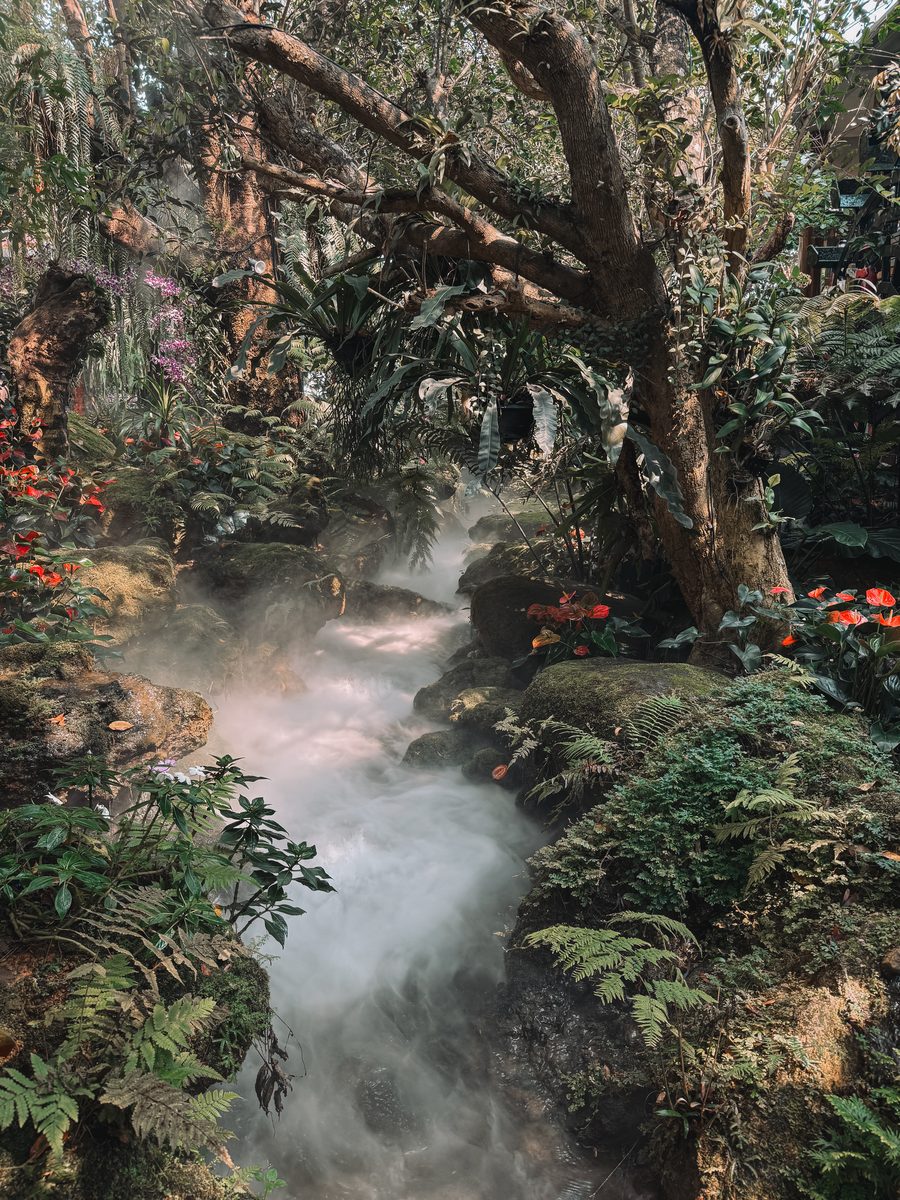
The route: the White Temple first, then the Blue Temple, then the Red Temple. And a stop at Lalita Café, a magical place, before heading back to Chiang Mai around 7 pm.
Six hours on the road in one day is the price to pay. At 30 € for three temples you see nowhere else, it is still a good deal.

Koh Phi Phi, two days
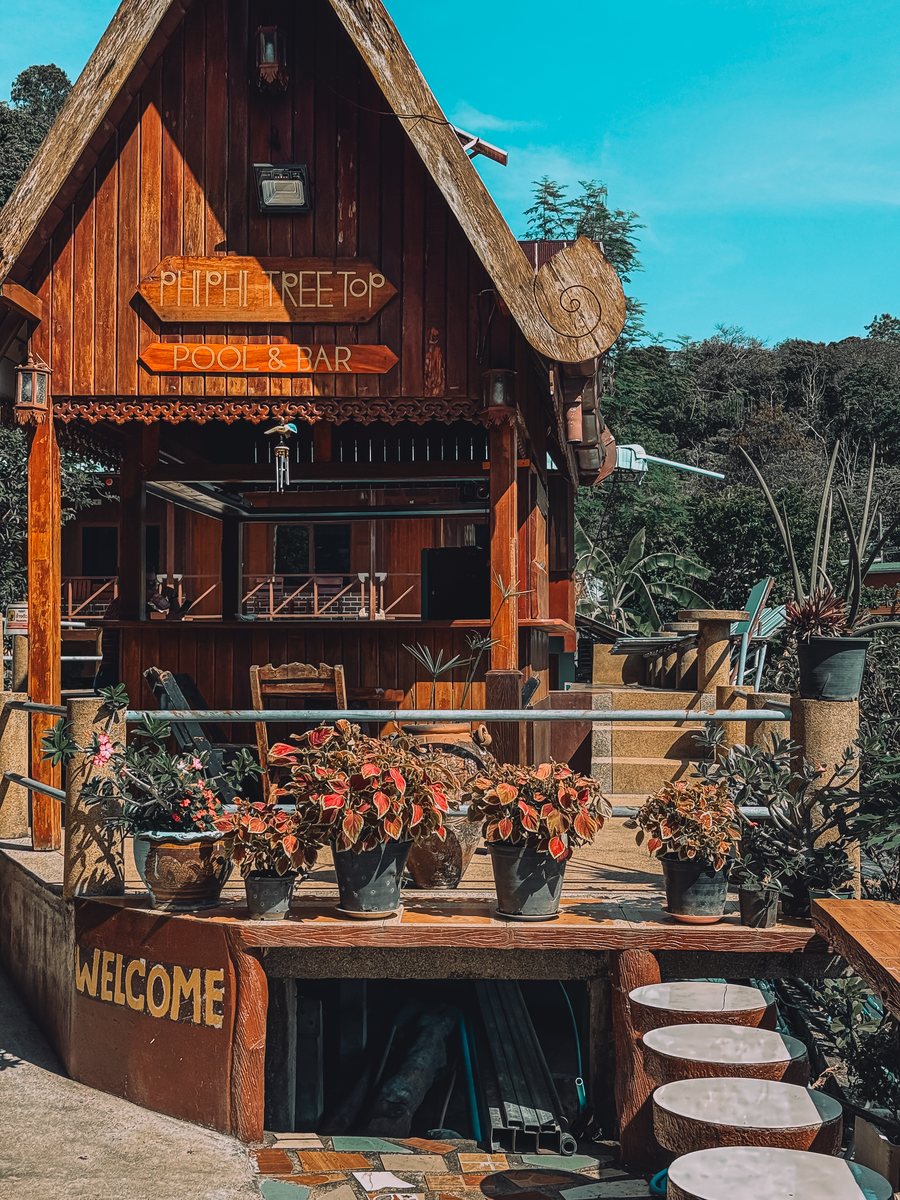
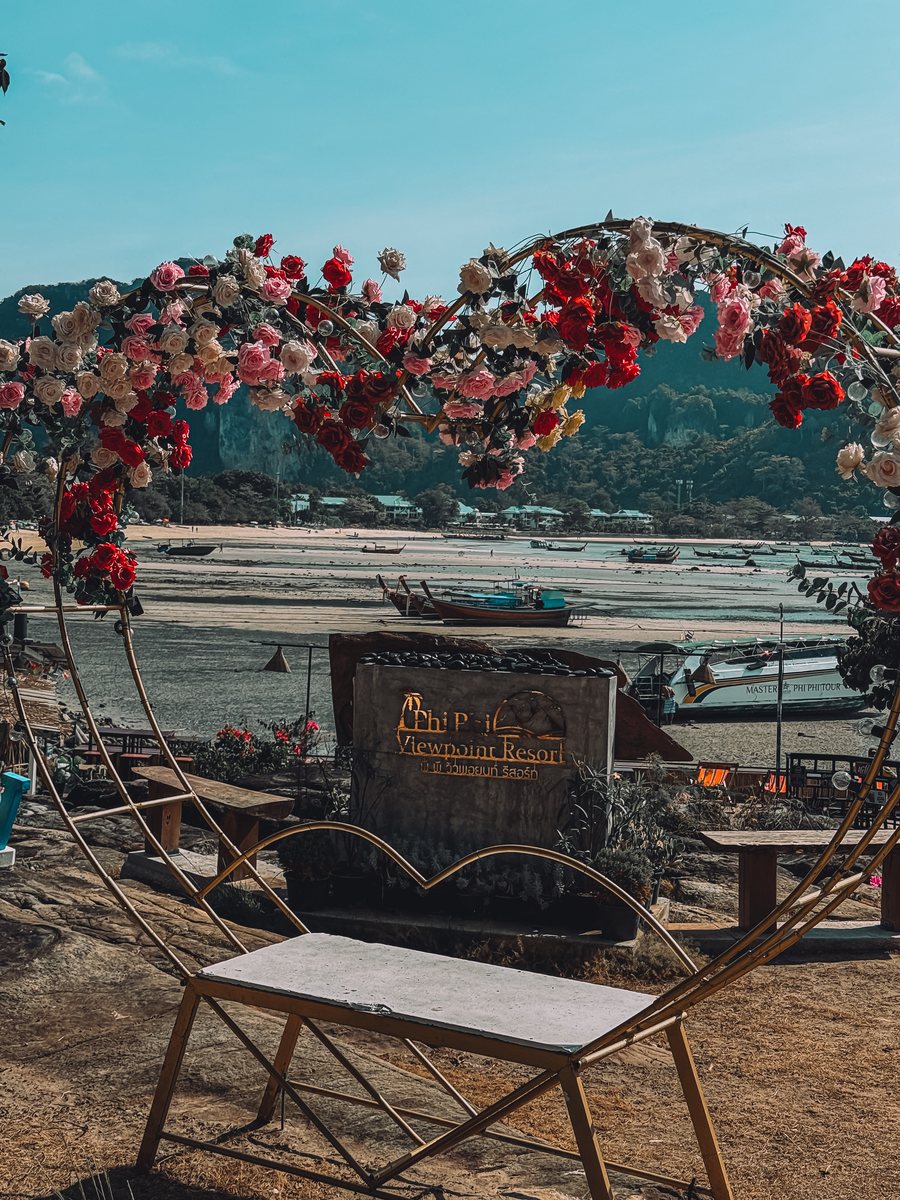
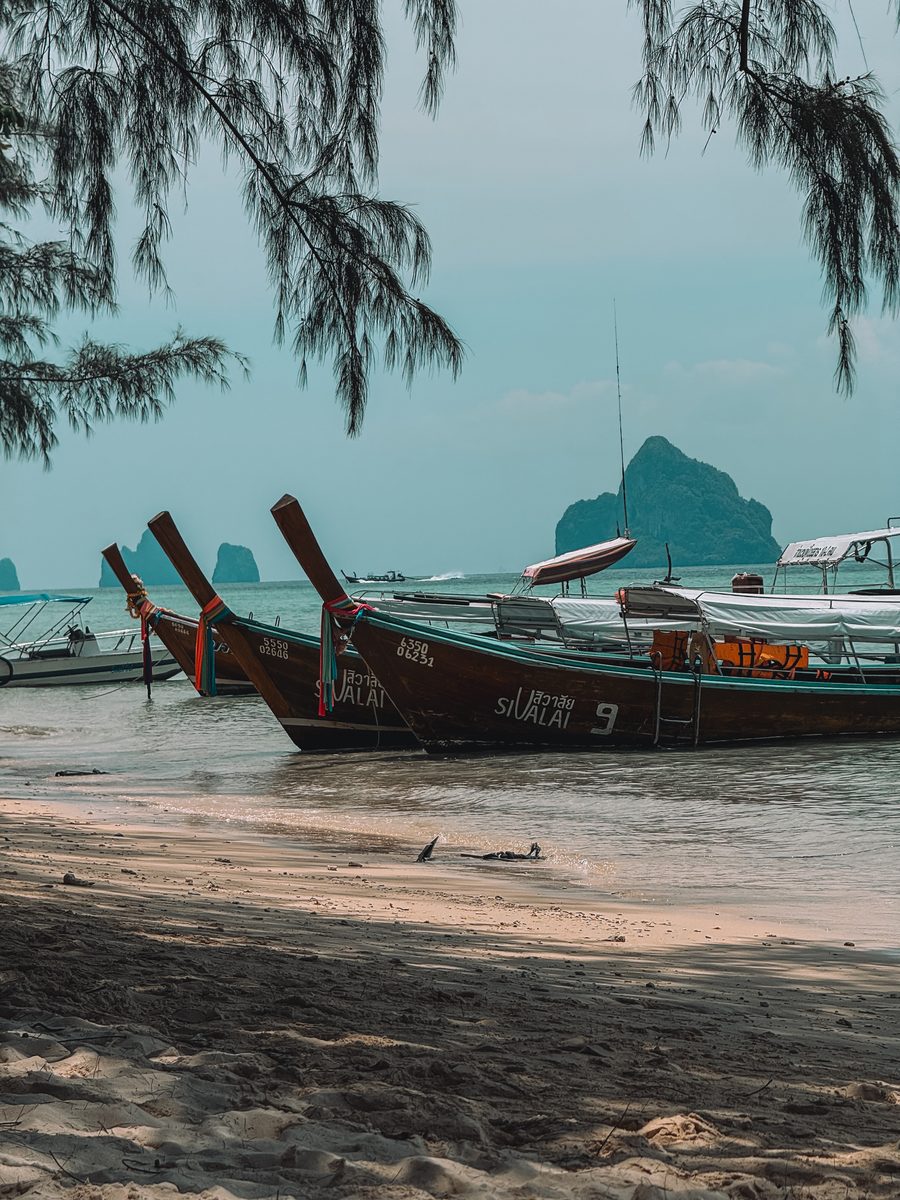
The move from the north to the islands, on the west coast. Phi Phi is small, car free, and packs in the limestone cliffs rising out of clear water that everyone pictures.
It is also the busiest and most party oriented island in the area. Two days are enough to see it all.
On its reputation as a party island, I disagree. There is something for everyone. You can party if you feel like it, and you can just as easily spend two quiet days without ever going near it.
What we found there: great viewpoints, lovely hikes and beautiful beaches. And a detail that changes the pace: almost everything is done on foot.

Koh Lanta, two days
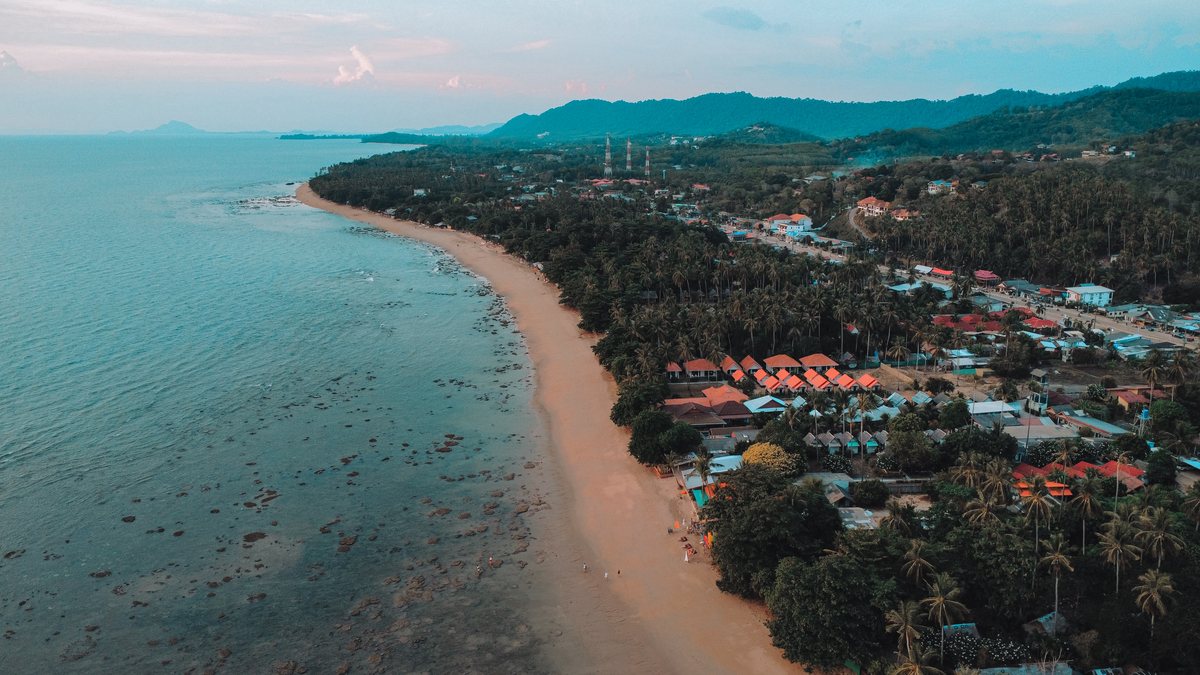
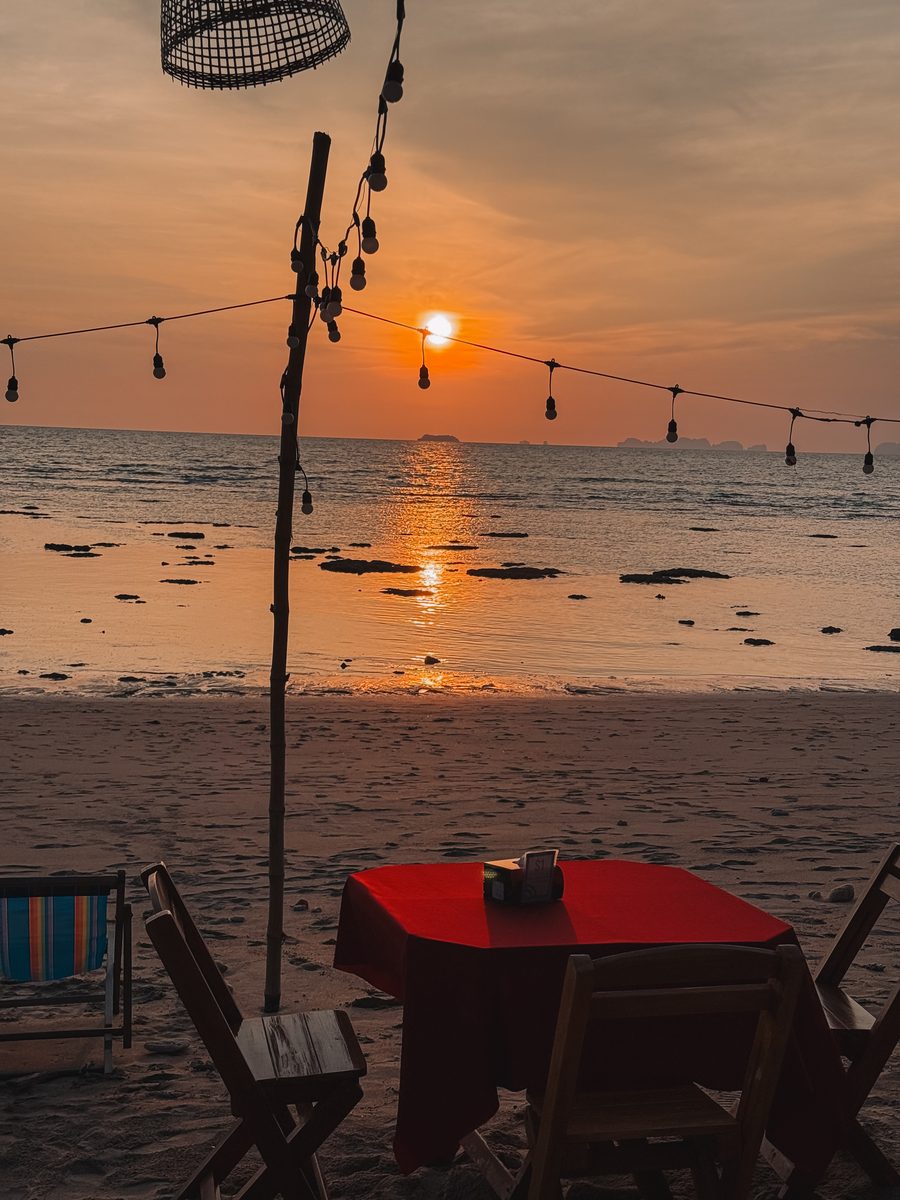
An hour and a half by ferry further south, and the pace changes completely. Lanta is long, flat and much calmer than Phi Phi, with beaches one after another along the west coast and sunsets over the sea.
We stayed at New Coconut Bungalow, right on the beach.
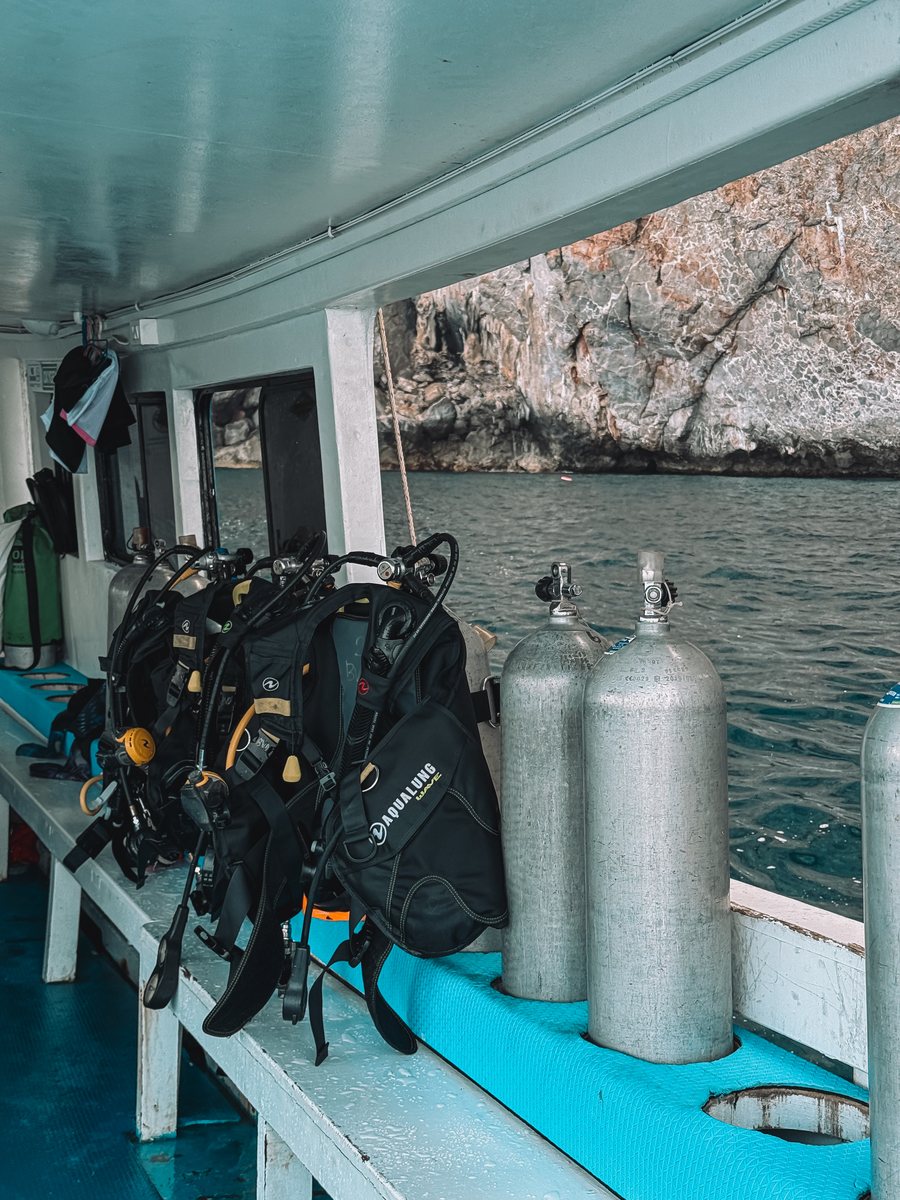
What I recommend doing there: the day trip to the four neighbouring islands. It is the outing that is worth it from Lanta.
And to answer the question everyone asks: I preferred Koh Lanta. It is less touristy than Koh Phi Phi, and over two days you feel it straight away.
Back through Bangkok
A last day in the capital before the flight home, time to do what we did not have time for at the start.
We used it as a gentle transition before the flight home, with a last stop in Chinatown for street food.
Getting around
Between Bangkok and the north. Two options. The plane, about an hour to Chiang Mai, often cheap if you book early. Or the night train, longer but it saves a night in a hotel and crosses the country.
To the west coast islands. You go via Krabi or Phuket, by plane from Bangkok or Chiang Mai, then by ferry. Phi Phi and Lanta are linked by a direct ferry.
In Bangkok. The Skytrain and the underground avoid the traffic jams, which are the real constraint in the city. The river boat is often a faster option, and much more pleasant, to reach the temples.
On the islands. Phi Phi has no roads, everything is done on foot or by longtail boat. Lanta is explored by scooter.
What we took. Bangkok to Chiang Mai by plane. The night train is perfectly doable, but we only had two weeks and wanted to keep the time for the stops, not the road.
To get down to the islands, we went via Krabi, then by boat to Koh Phi Phi. Then another boat from Koh Phi Phi to Koh Lanta. And to get back, a boat back to Krabi, then a flight to Bangkok.
To compare schedules and prices for all of this in one place, the 12Go Asia app does the job.
The budget
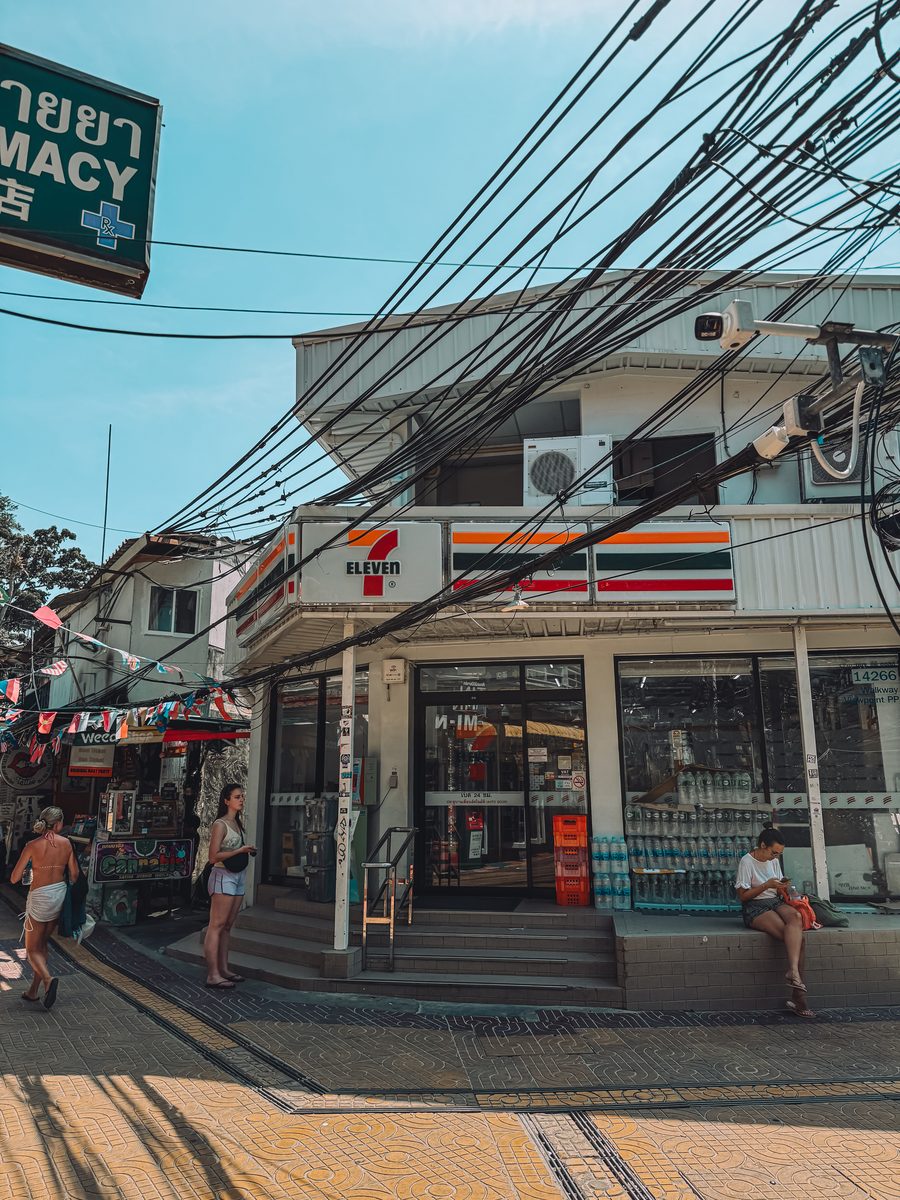
Thailand is still affordable day to day: eating on the street or in a local restaurant costs little, domestic transport is cheap and accommodation offers rare value for money.
What adds up is domestic flights, tours and ferries to the islands. Those are what you need to plan for, not the meals.
A night: between 10 and 30 € for a room, less in a hostel. We had very nice rooms at 20 € for two people, so 10 € each, right in the centre.
A meal: between 3 and 10 €.
The full day in Chiang Rai: 30 €.
Transport: the easiest way is to compare on the 12Go Asia app, which brings planes, trains, buses and ferries together in one place.
Where to stay
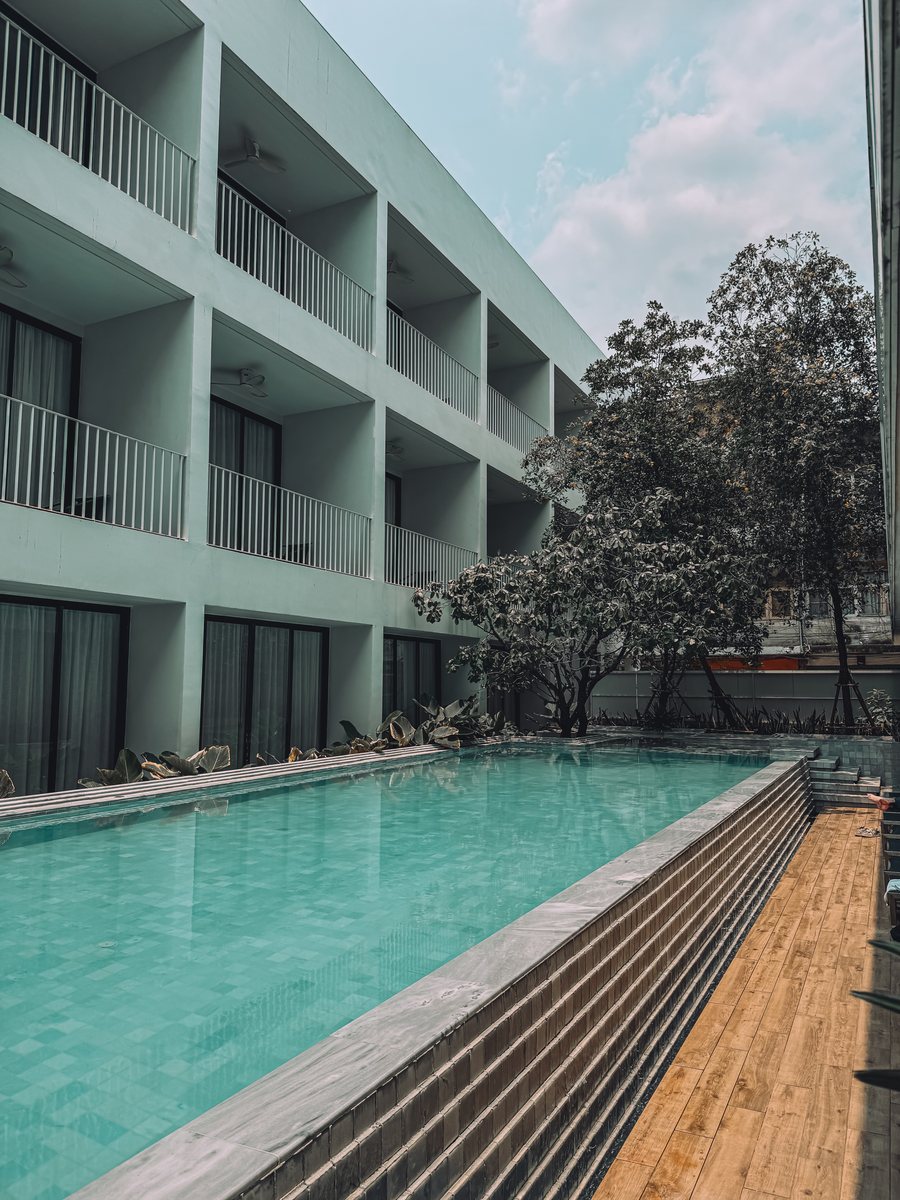
Four cities and two islands, so four different approaches.
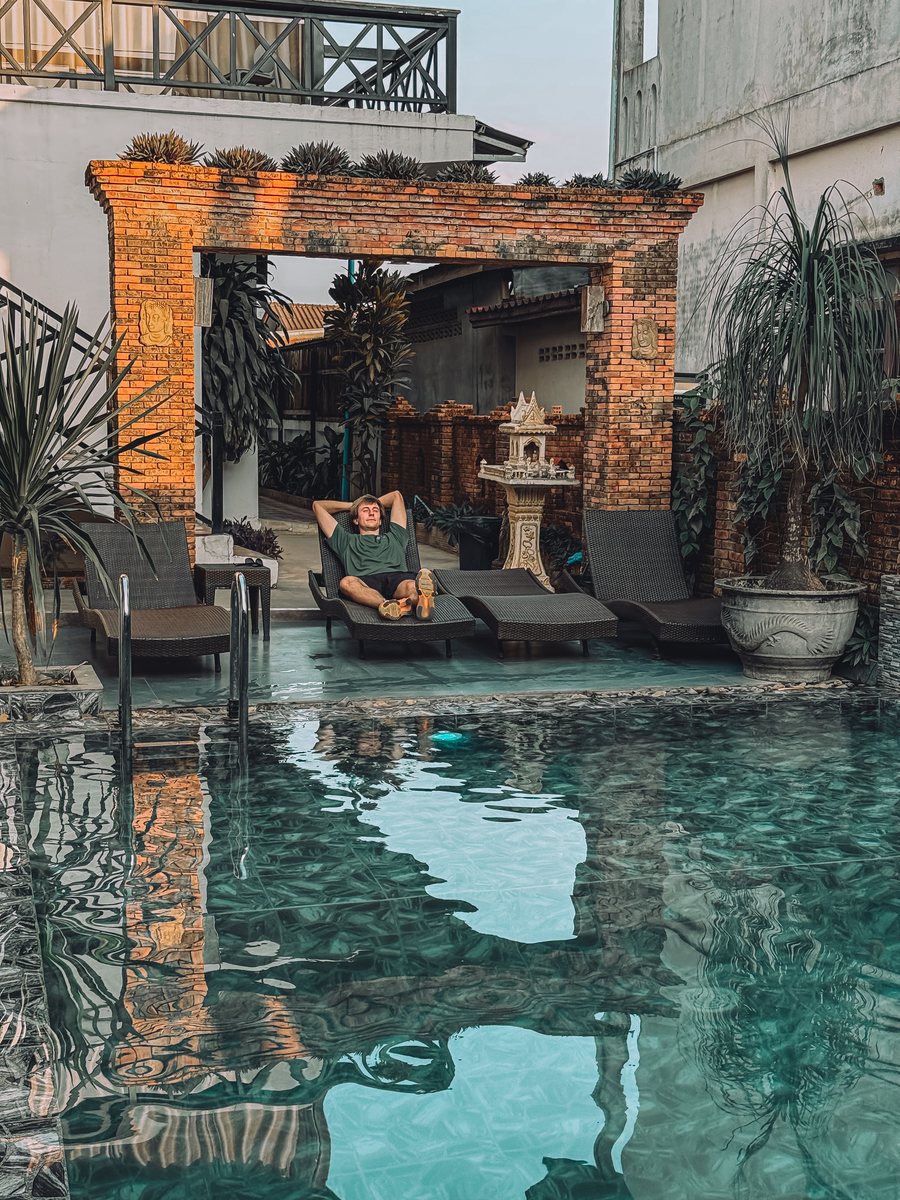
The prices we paid. Between 10 and 30 € for a room, and less in a hostel. Our nicest rooms were 20 € for two, so 10 € each, right in the city centre. At that price, there is no reason to sleep far from the centre.
I did not keep the names of all our places, except the one on Koh Lanta, New Coconut Bungalow, right on the beach. In this country, booking as you go works very well.
Not to be missed
Three things, in order. The kindness of the people, which you feel everywhere and all the time. The food, which on its own justifies the trip. And Grab scooter rides through Bangkok, a mood you have to feel, hard to explain any other way.
Mistakes to avoid
Forgetting the digital arrival card. It is new, it is compulsory, and it is filled in within the seventy two hours before the flight. It is the silliest and most common mistake at the moment.
Trying to do everything in two weeks. The north and the islands are a thousand kilometres apart, and every change of area costs half a day of travel.
Coming to the north in March or April without knowing. It is the burning season, the air becomes unbreathable around Chiang Mai and the mountains disappear in the haze.
Nothing, and it was not luck. The trip was well organised in advance, with an itinerary that fitted into the two weeks. That is exactly the work I now do for others: if you want us to build yours together, let's talk about it.
What to pack
Pack light. It is my advice on all my trips, and it is especially true here: you will want to buy things there, and you need space for that.
Shall we plan your trip together?
This guide gives you the outline. If you want to go further, I build your itinerary with you: the route stage by stage, where to stay, the journeys between towns and the activities that are really worth the day.
We start from your dates, your budget and what you want to experience. You leave with a plan that is ready to follow, knowing what to book in advance and what can wait until you get there.
Three packages, from 59 € for feedback on your plan to 249 € for the full itinerary. The first chat is free, with no commitment.
The links and gear mentioned
The booking platforms, eSIMs, banks and insurance I use when I travel are all on one page, with my referral codes.
Page checked and updated on .