
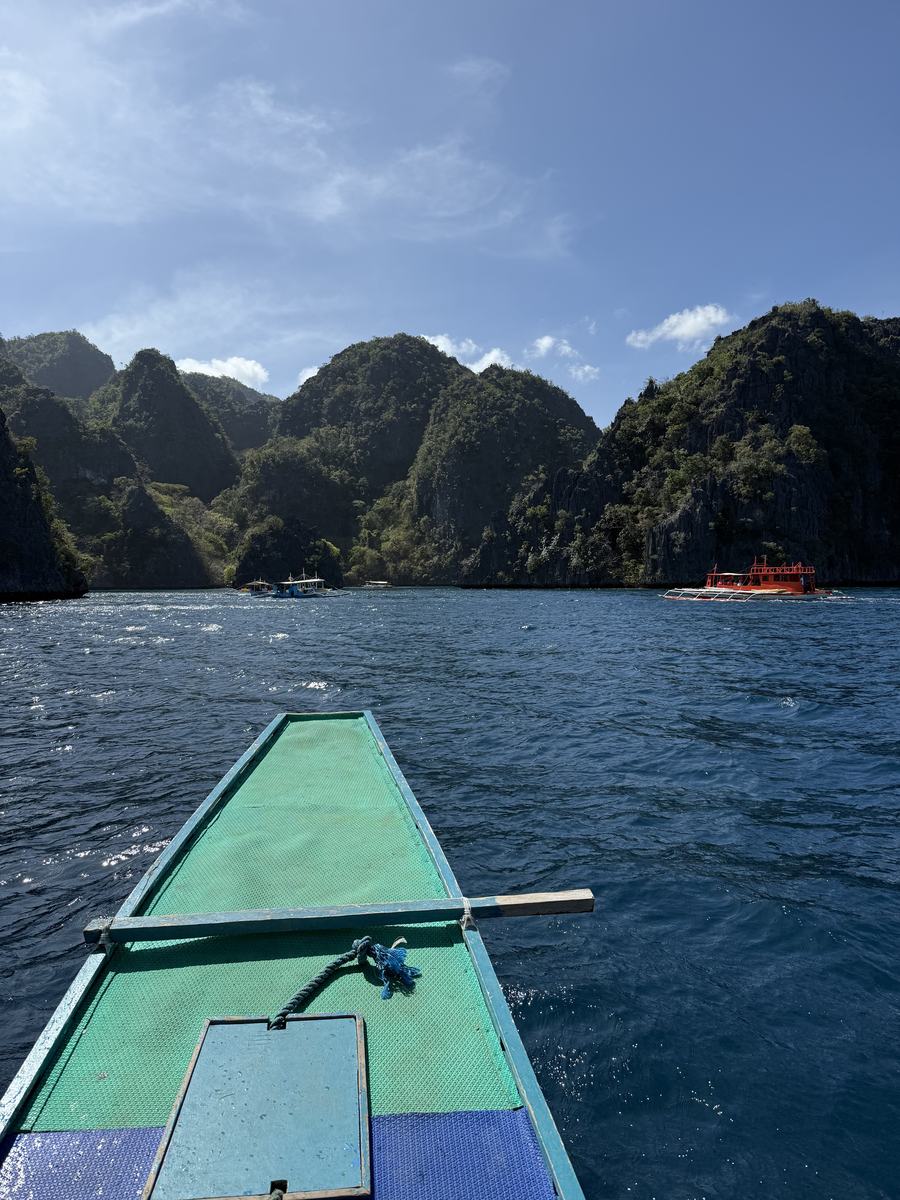
When to go
The dry season runs from December to May. It is the window to aim for, especially for the cruise, which depends entirely on the state of the sea.
From June to November, it is the monsoon and typhoon season. Bangka crossings are regularly cancelled, and an island hopping itinerary becomes a gamble.
January and February stay dry but windy. The sea picks up, and island hopping days are sometimes cut short.
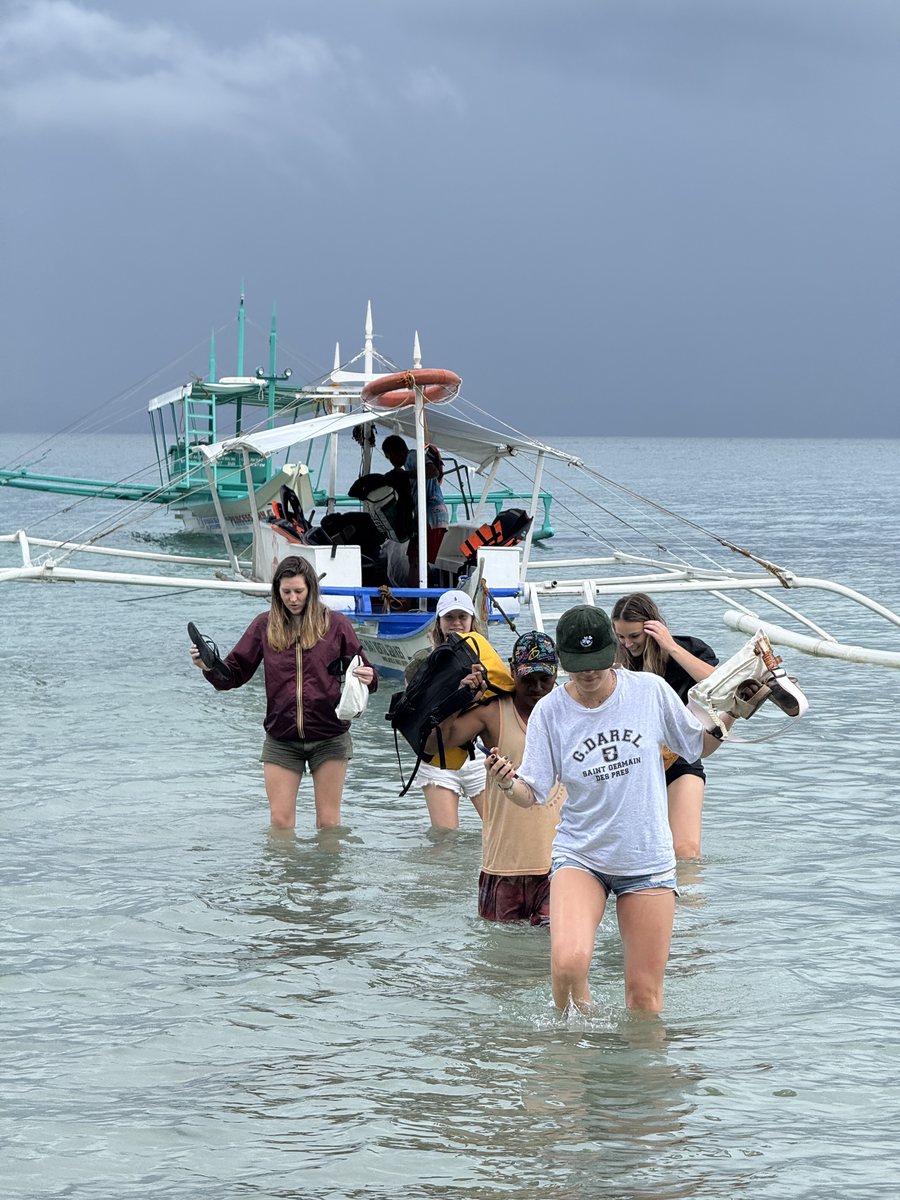
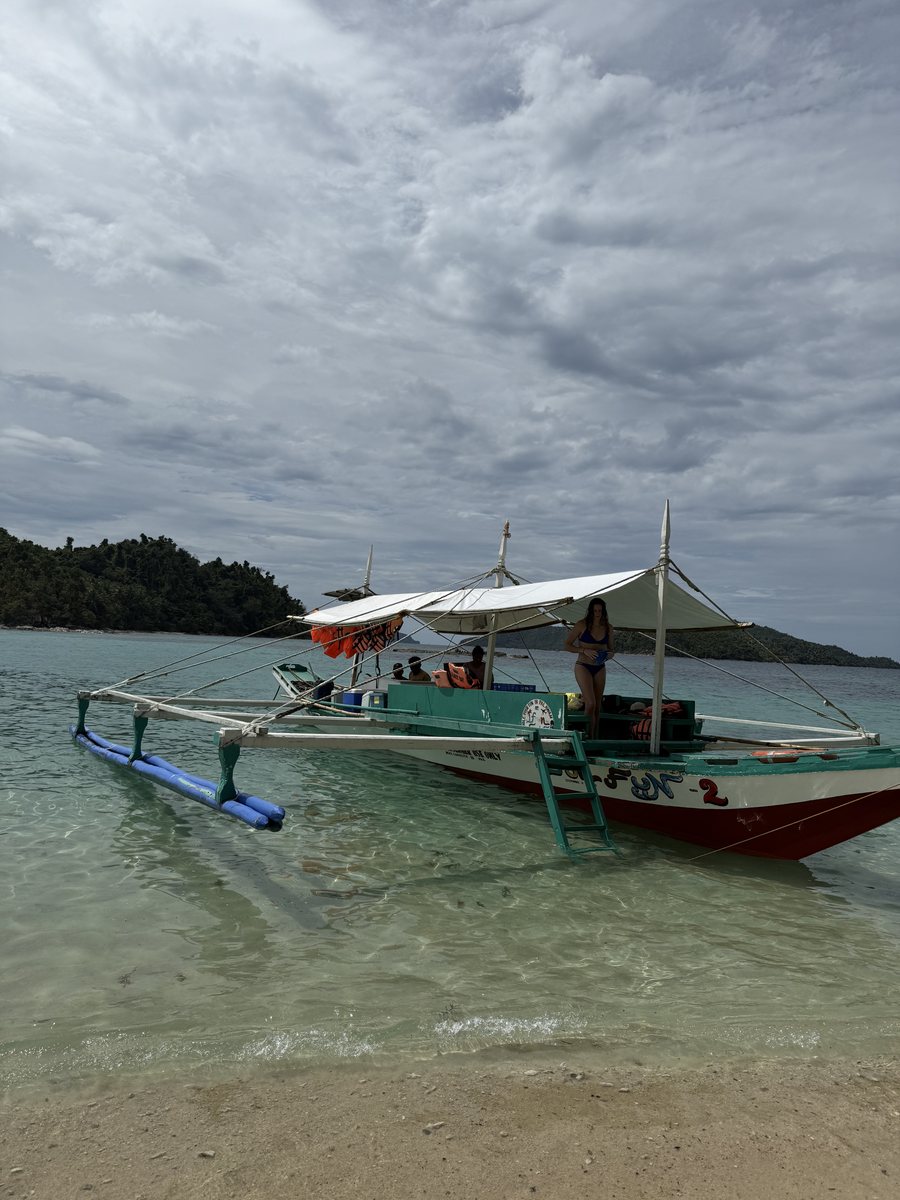
We went in February. Good weather for the whole two weeks, without exception.
A warning that is worth more than general advice: I got the worst sunburn of my life there. Between the boat, snorkelling and the reflection, you are exposed all the time and you do not feel it happening. High protection sunscreen, and a T shirt in the water.
The budget
Day to day it is affordable: guesthouses, local meals and van journeys do not cost much.
What adds up is activities and taxes. Every island hopping tour is paid by the day, El Nido and Coron charge environmental entry fees, and the cruise on its own is the biggest cost of the trip.
Bring cash too. ATMs are rare outside the towns, often empty, and many places do not take cards.
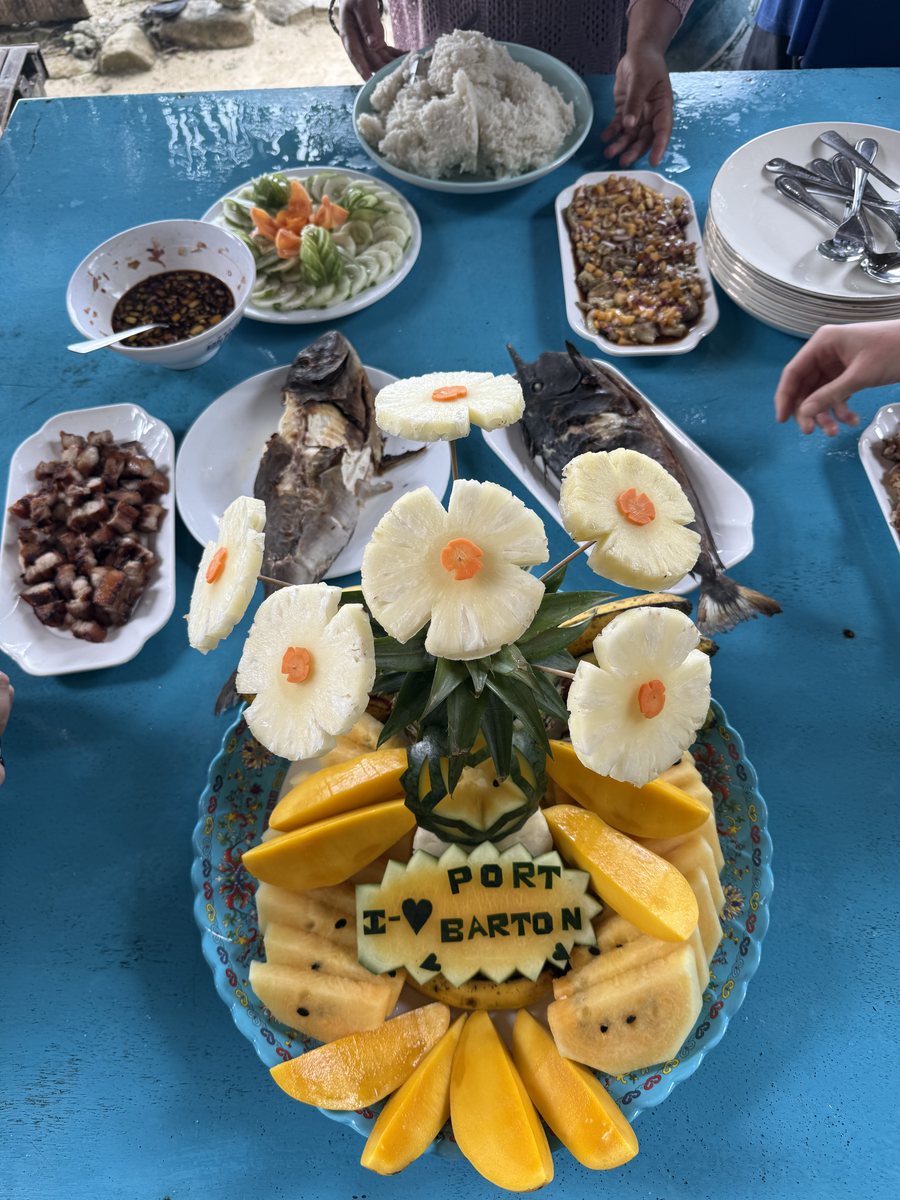
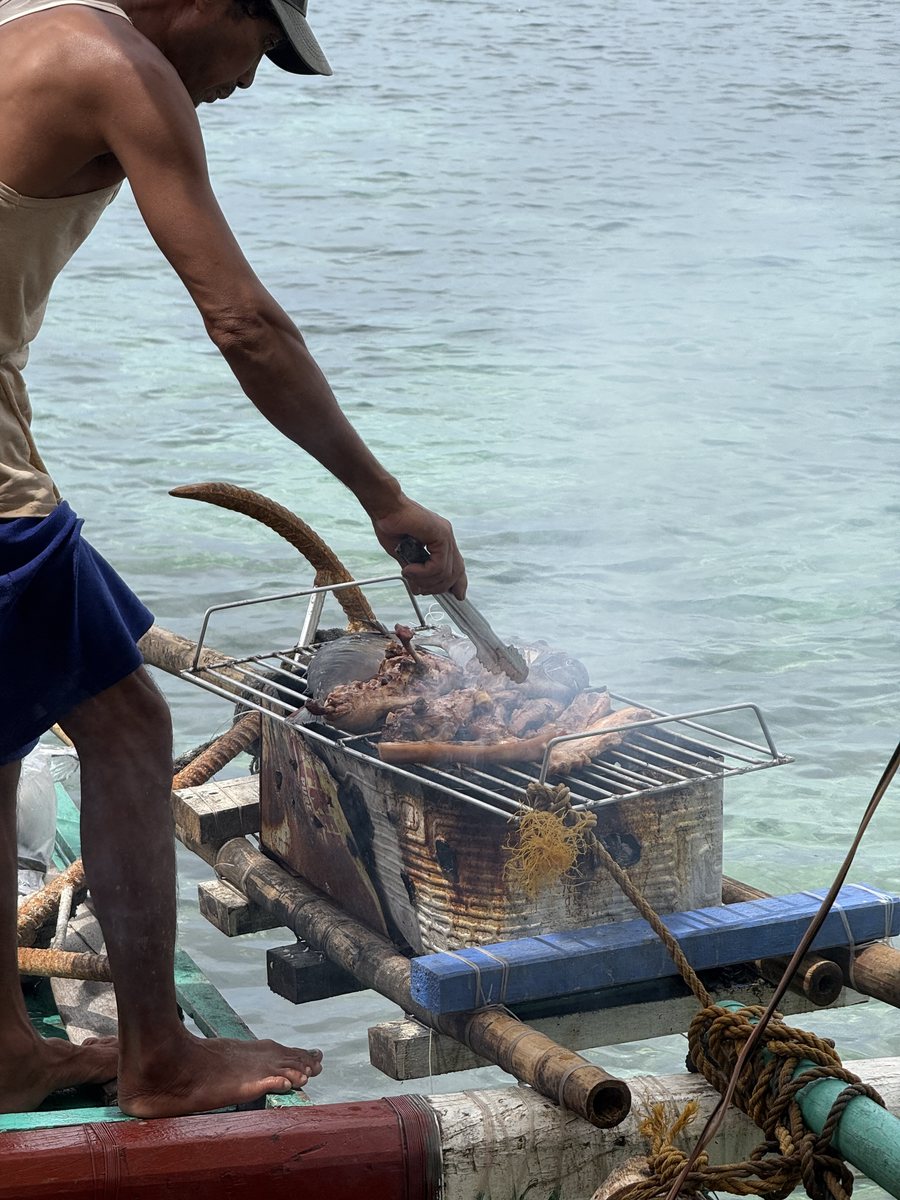
It is a bit more expensive than the rest of Southeast Asia, and you feel it mostly at the table.
A meal in a restaurant: around 10 €.
A day tour: we paid 30 € in Port Barton, with five stops and lunch included. It is the one I recommend.
The El Nido to Coron cruise: about 250 €, the biggest cost of the trip on its own.
The itinerary, stop by stop
Four stops, from the south to the north of Palawan, then the crossing to Coron.
- Puerto PrincesaThe gateway and the underground river
- Port BartonA fishing village and quiet island hopping
- El NidoBacuit Bay and its lagoons
- The cruiseThree days at sea, no signal
- CoronHidden lakes and Japanese wrecks
Puerto Princesa
The gateway to Palawan, with the island's main airport. The town itself is not very interesting, it is a starting point.
Its draw is the Sabang underground river, a World Heritage Site, about two hours away by road. The visit has to be booked in advance, as the number of daily entries is limited.
Port Barton
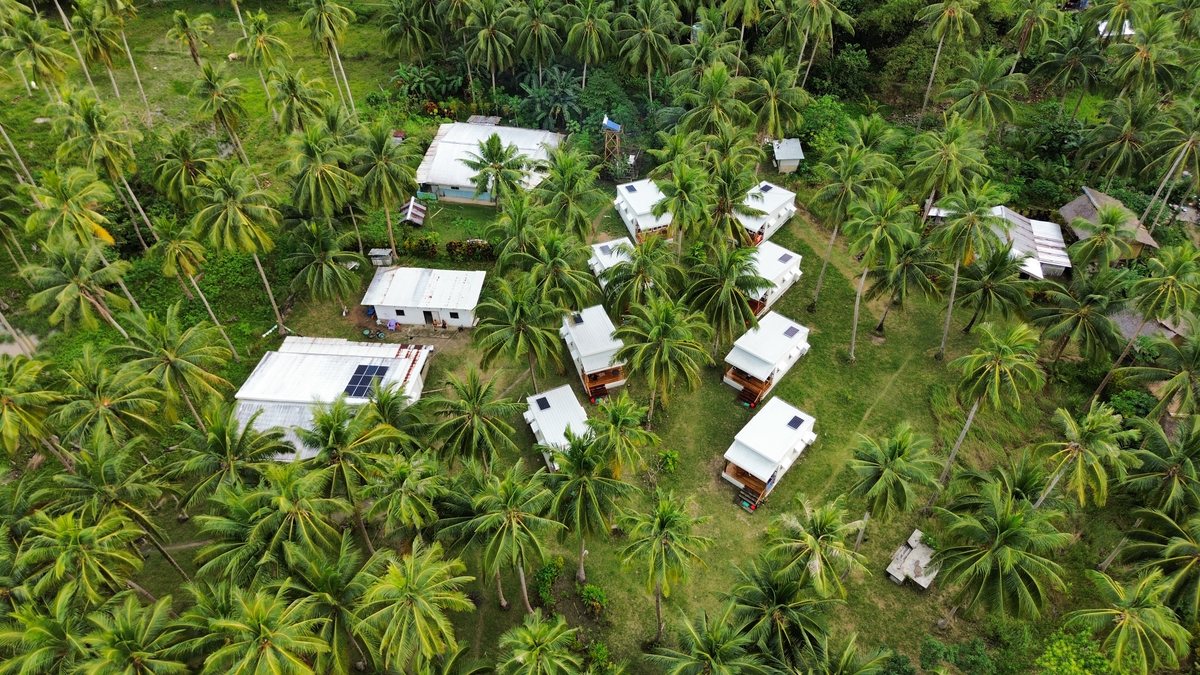
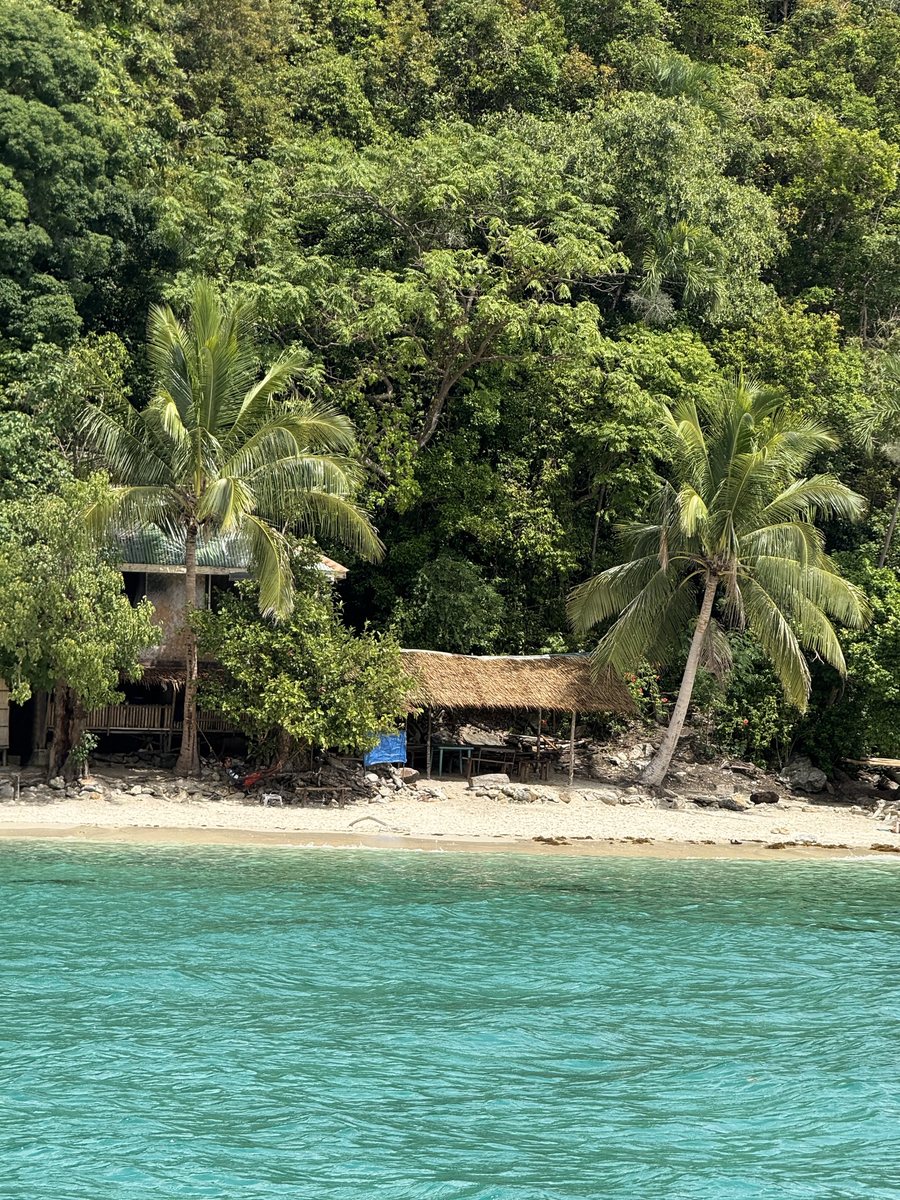
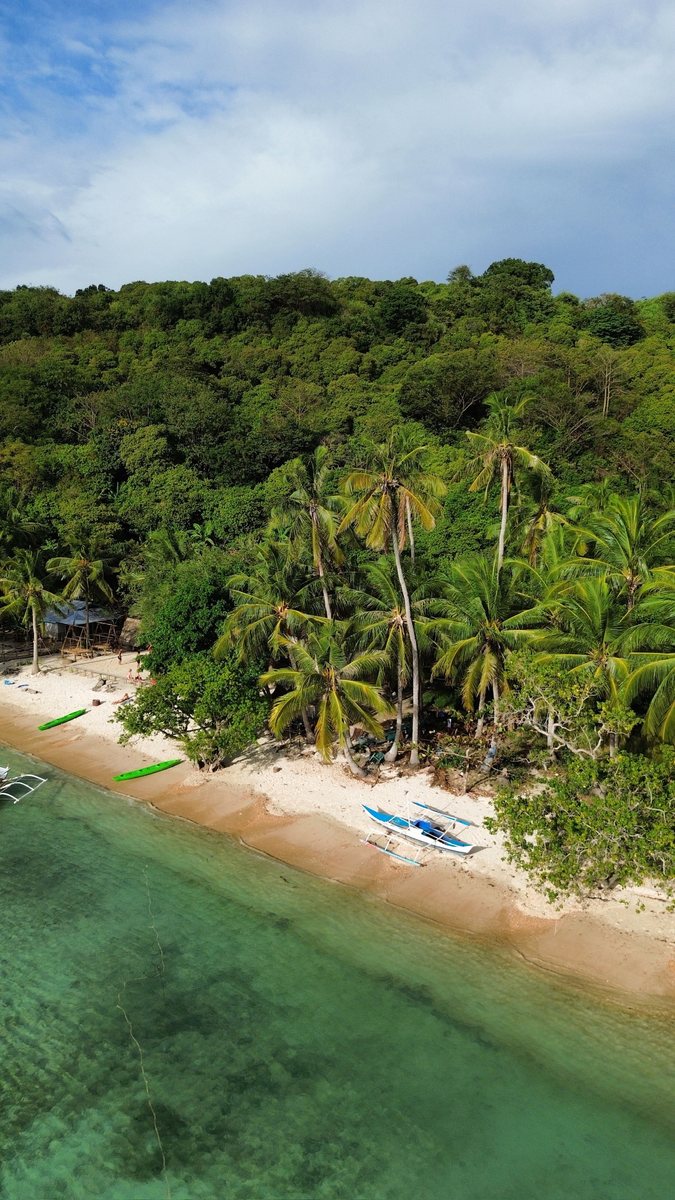
A fishing village on the west coast, a few hours by van from Puerto Princesa. No main road, no crowds, one main beach and boats.
It is the slow stop of the trip. You go island hopping for the day, on islets far less visited than those around El Nido.
El Nido
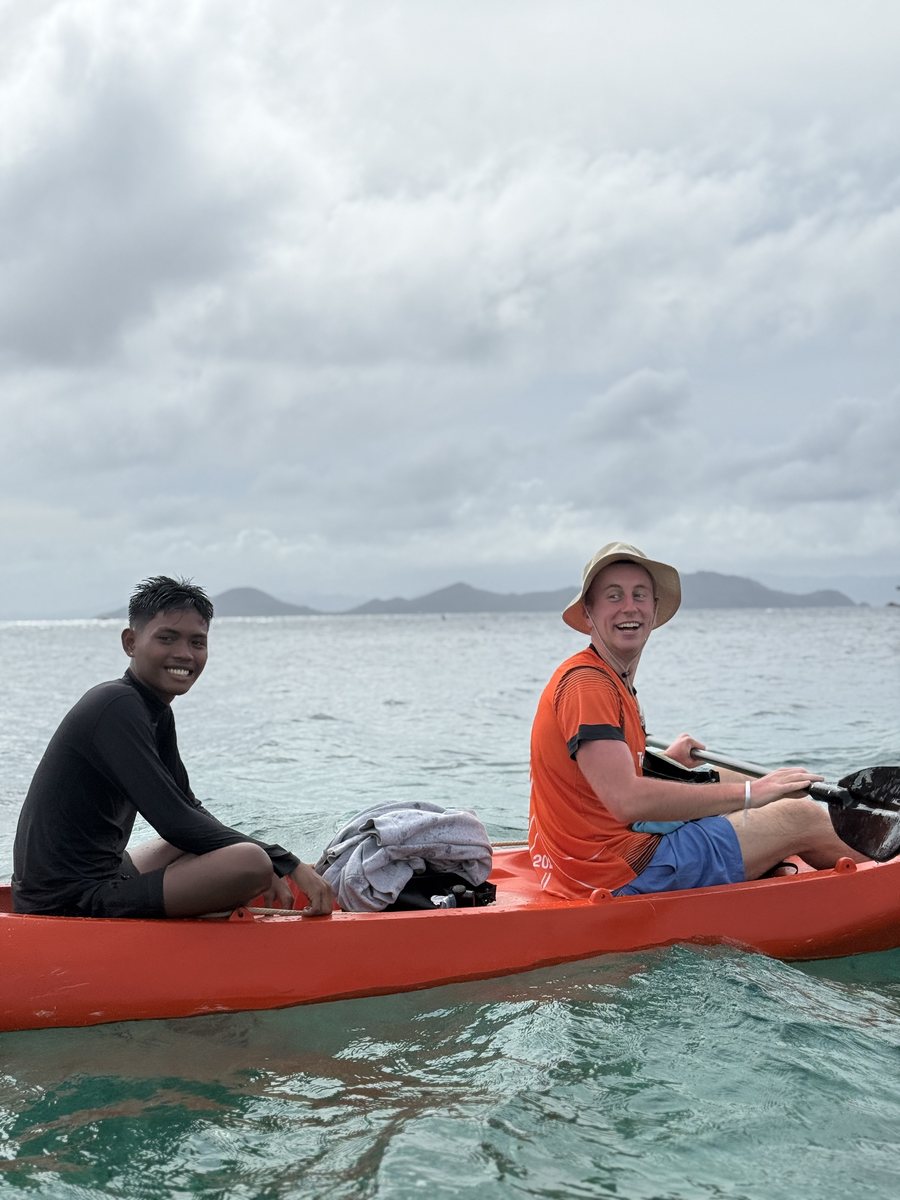
The north of Palawan and Bacuit Bay. Dozens of limestone islands rising out of turquoise water, with lagoons you can only reach by kayak or by swimming.
Tours are organised into circuits named by letter. Each one covers a different group of islands, and it is common to do two of them during the same stay.
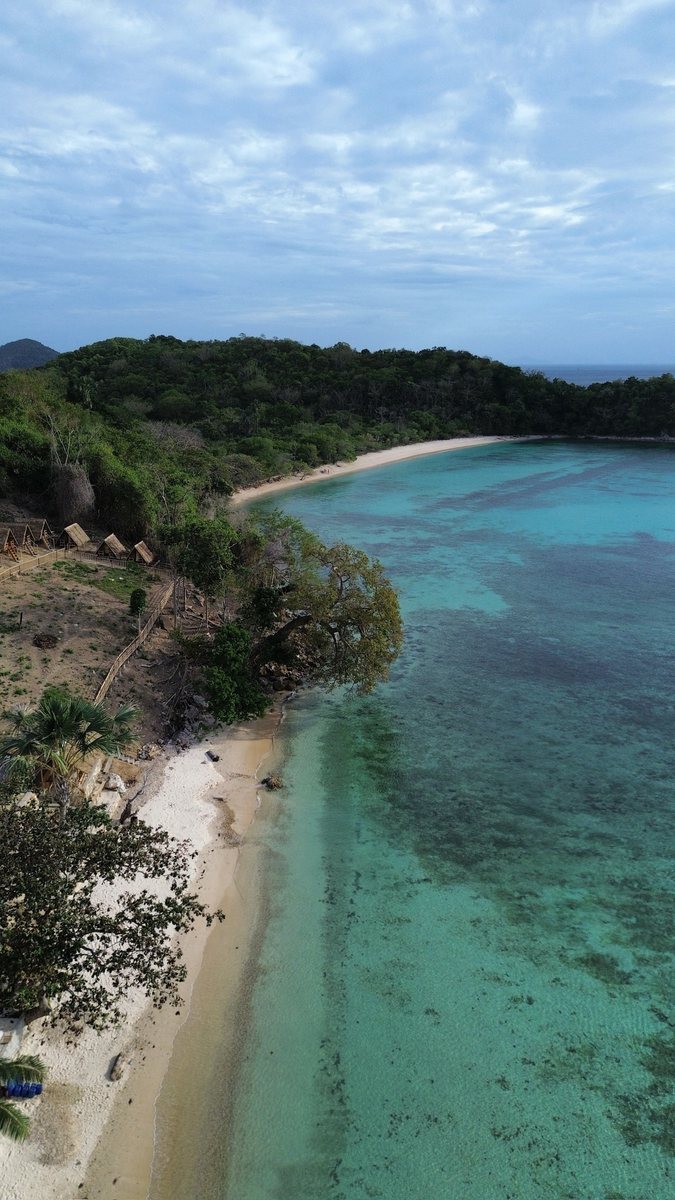
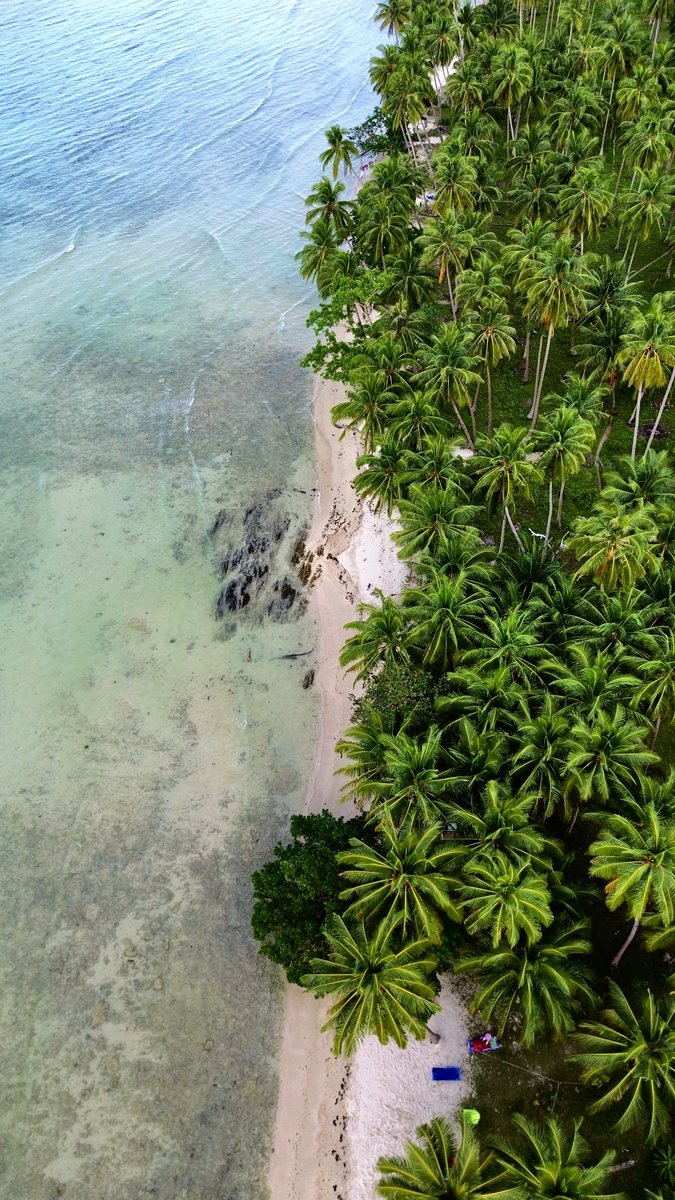
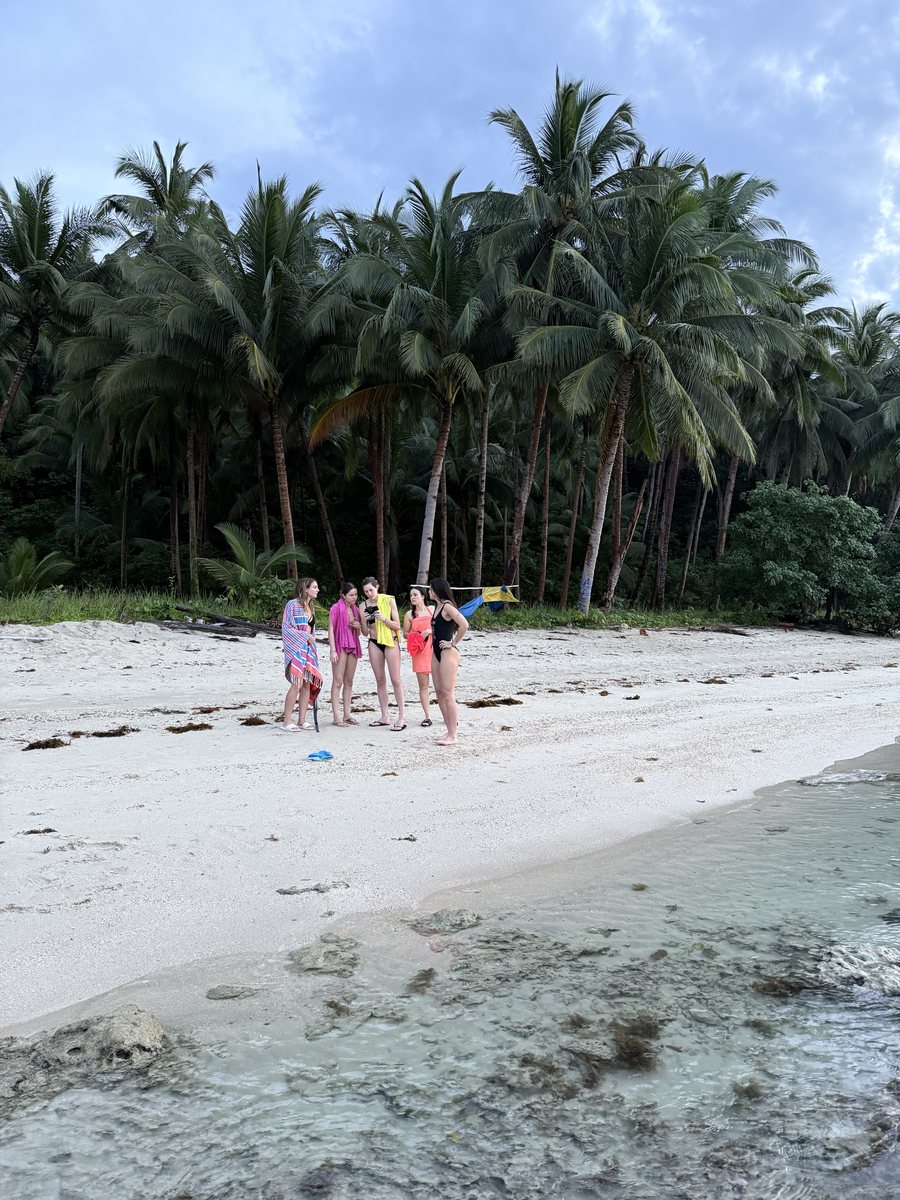
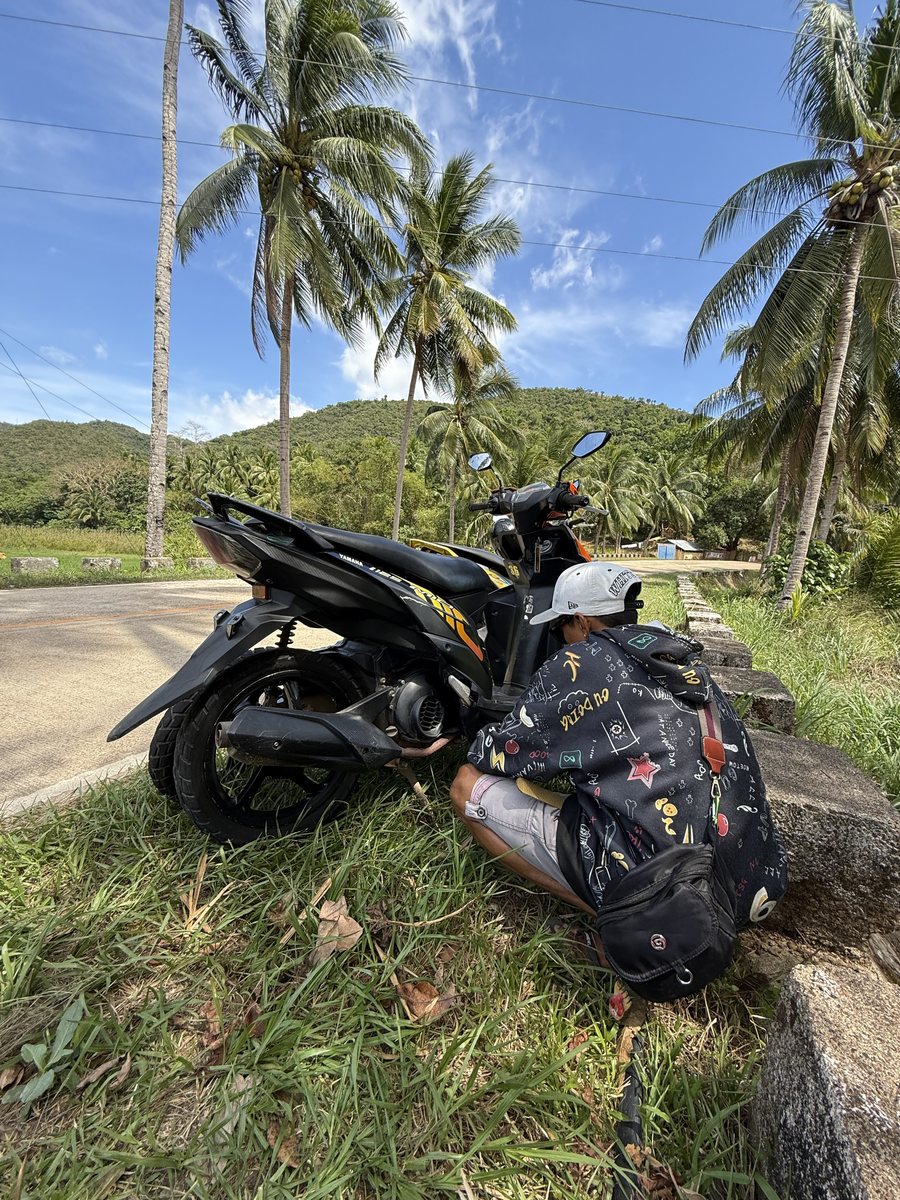
The town is noisy and very touristy. The beaches further north, a few kilometres away by scooter, show a completely different side.
The cruise to Coron
It is the part everyone remembers, and the only one you need to book well in advance.
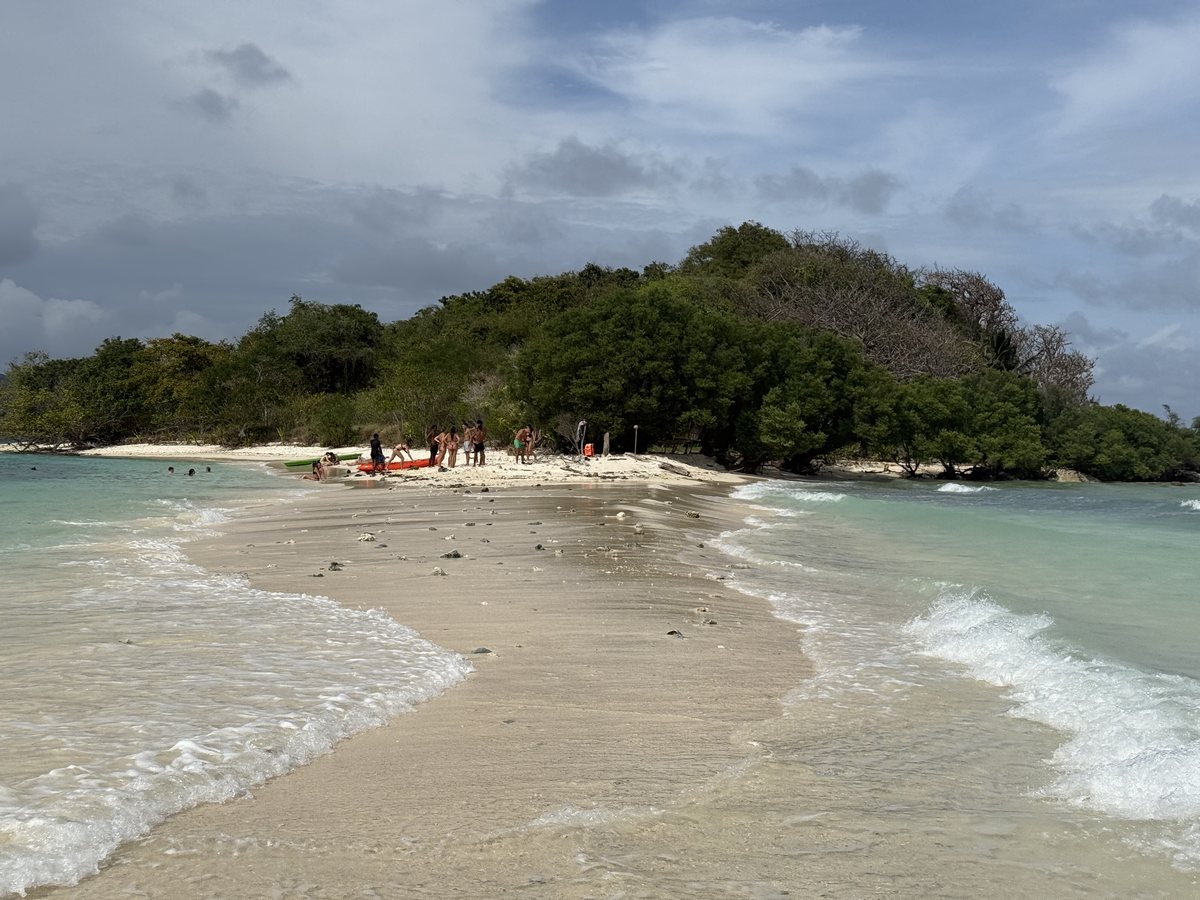
The idea: three days sailing between El Nido and Coron, on a traditional wooden boat, with nights spent on beaches or in basic camps on remote islands. No signal, no constant electricity, meals prepared on board.
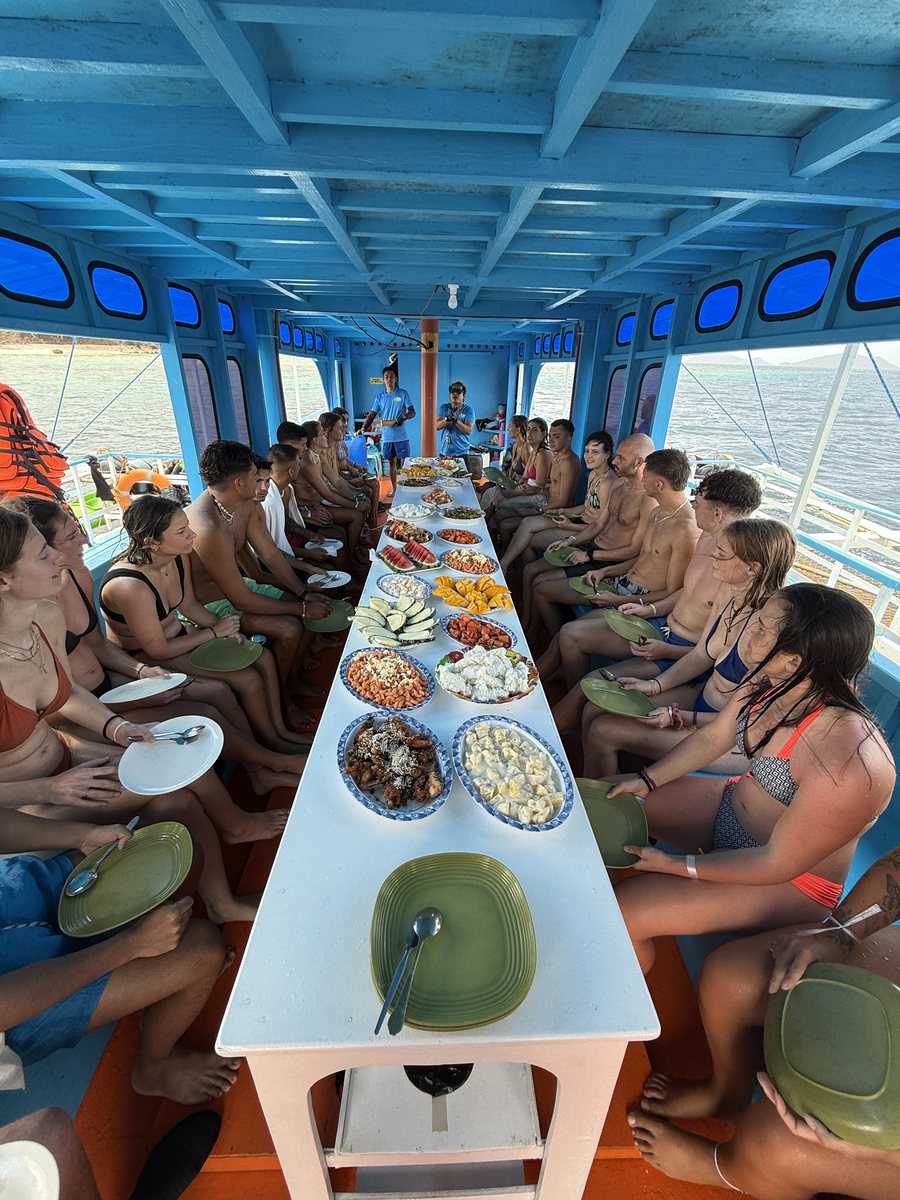
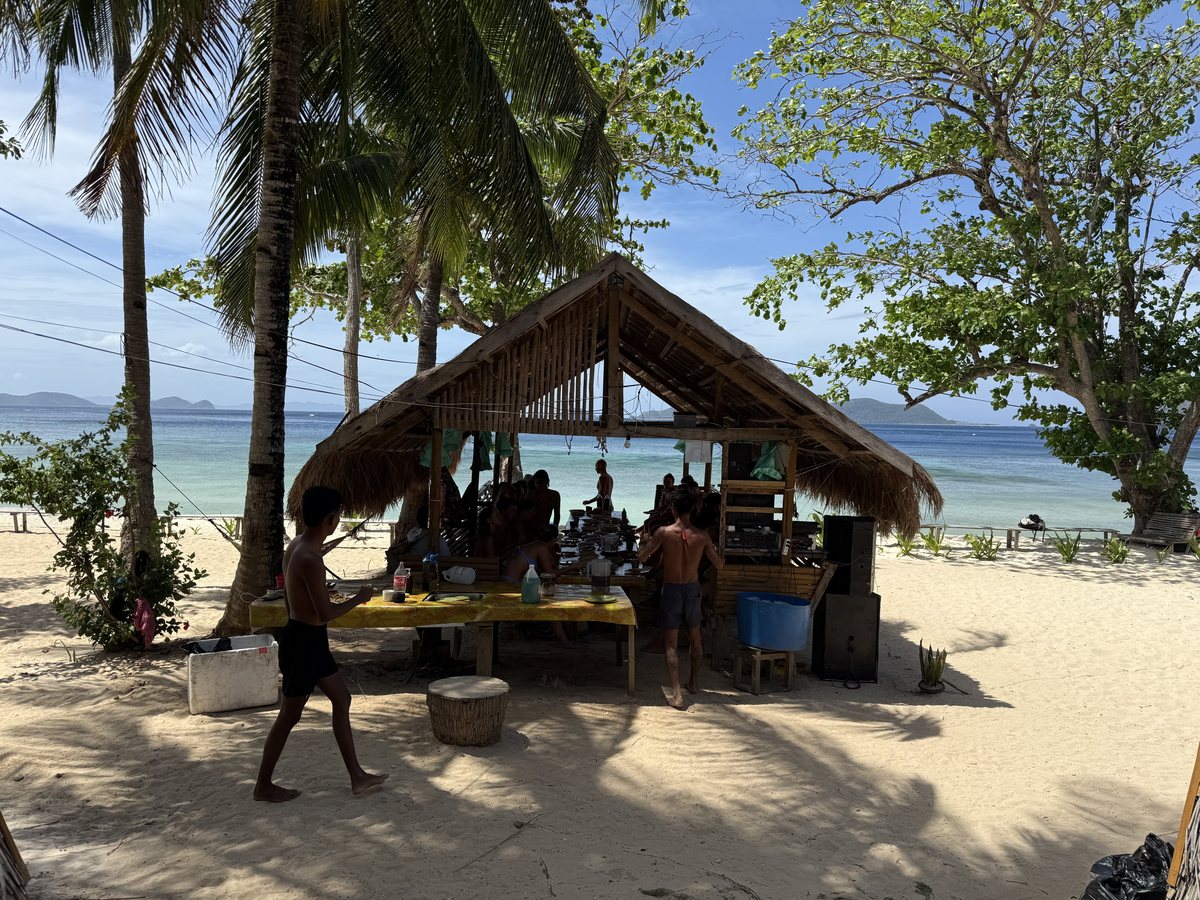
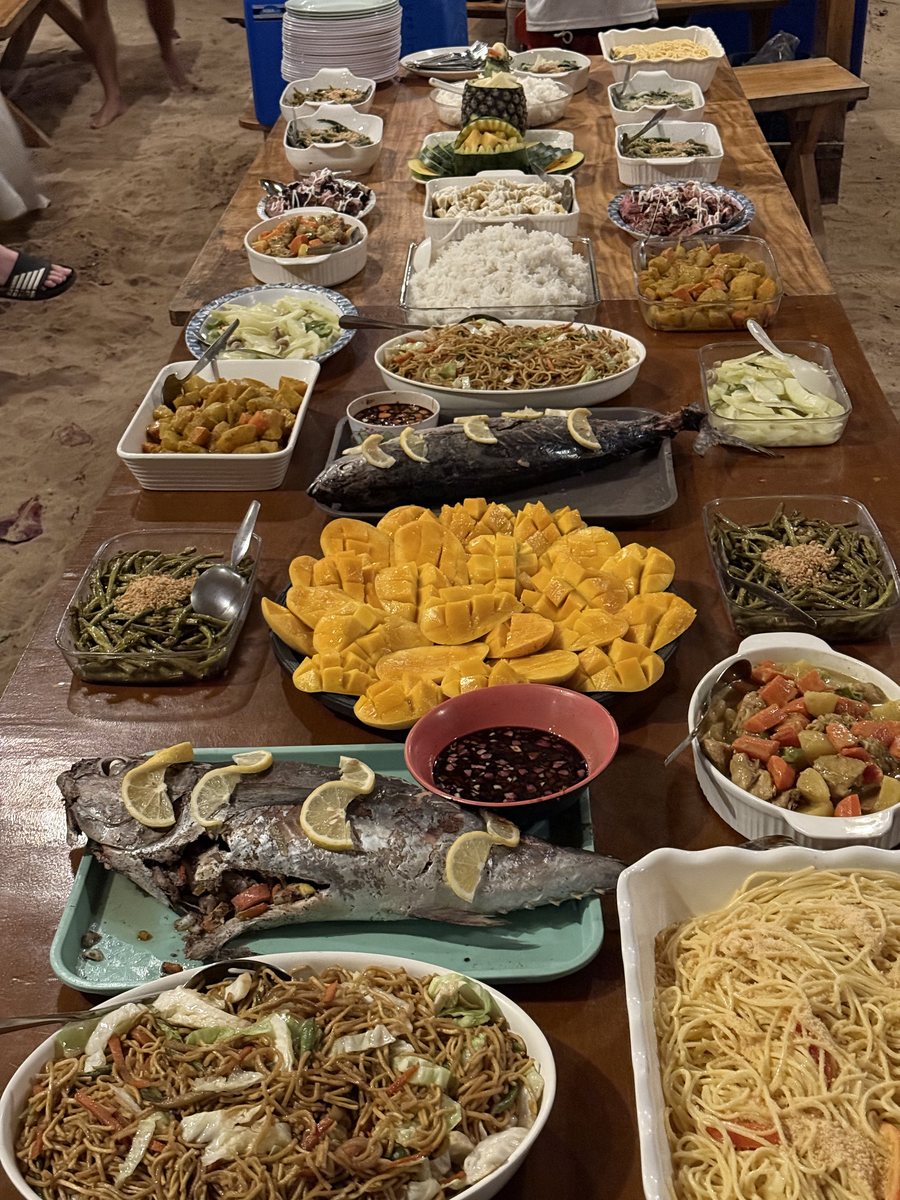
It is not a comfort cruise, it is an expedition. Comfort depends entirely on the operator you choose, and the price differences follow the differences in service.
For those who do not have the time or the inclination, a fast ferry links the two towns directly in a few hours.
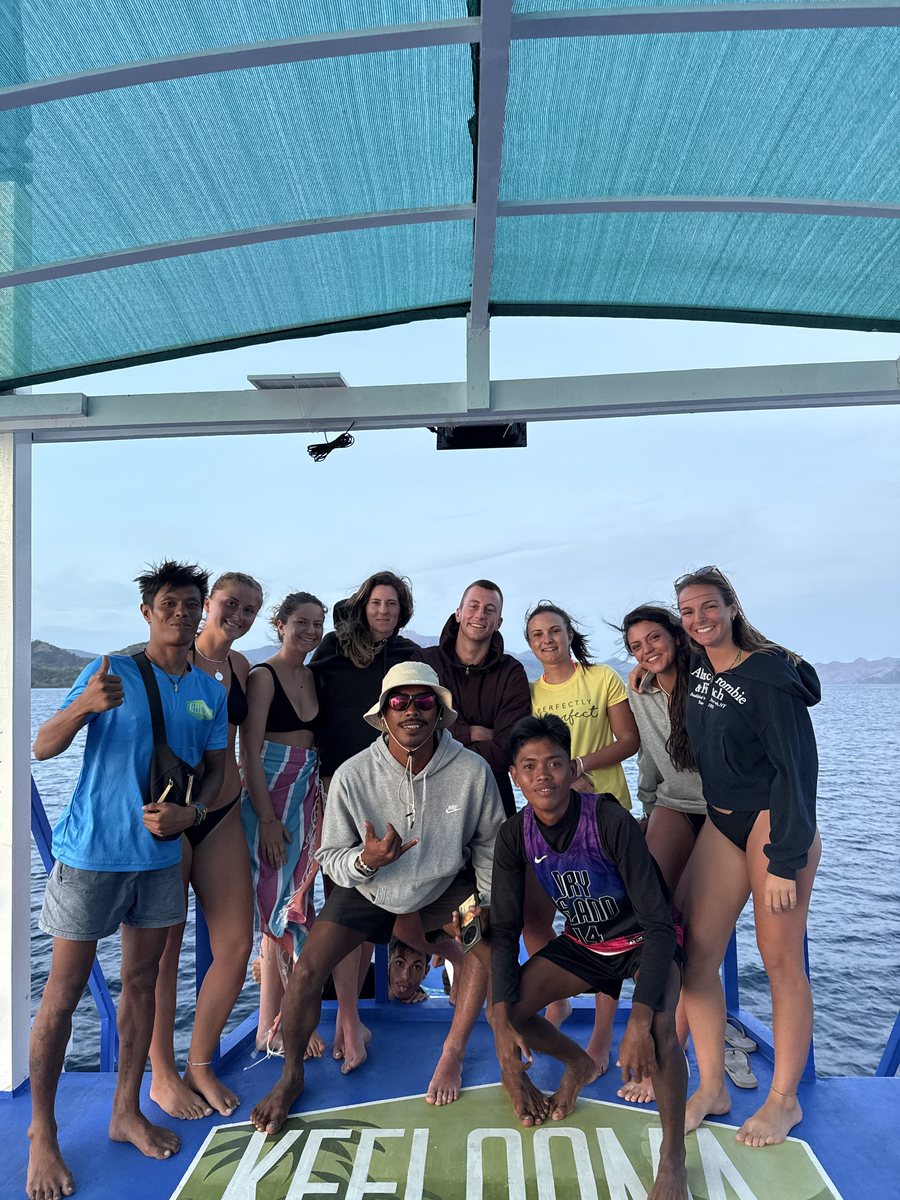
We went with Keelooma, for about 250 €. Payment is made in two parts: 20% online when you book, and the rest in cash on the spot, the morning you leave. Bring the cash, there is no ATM at the jetty.
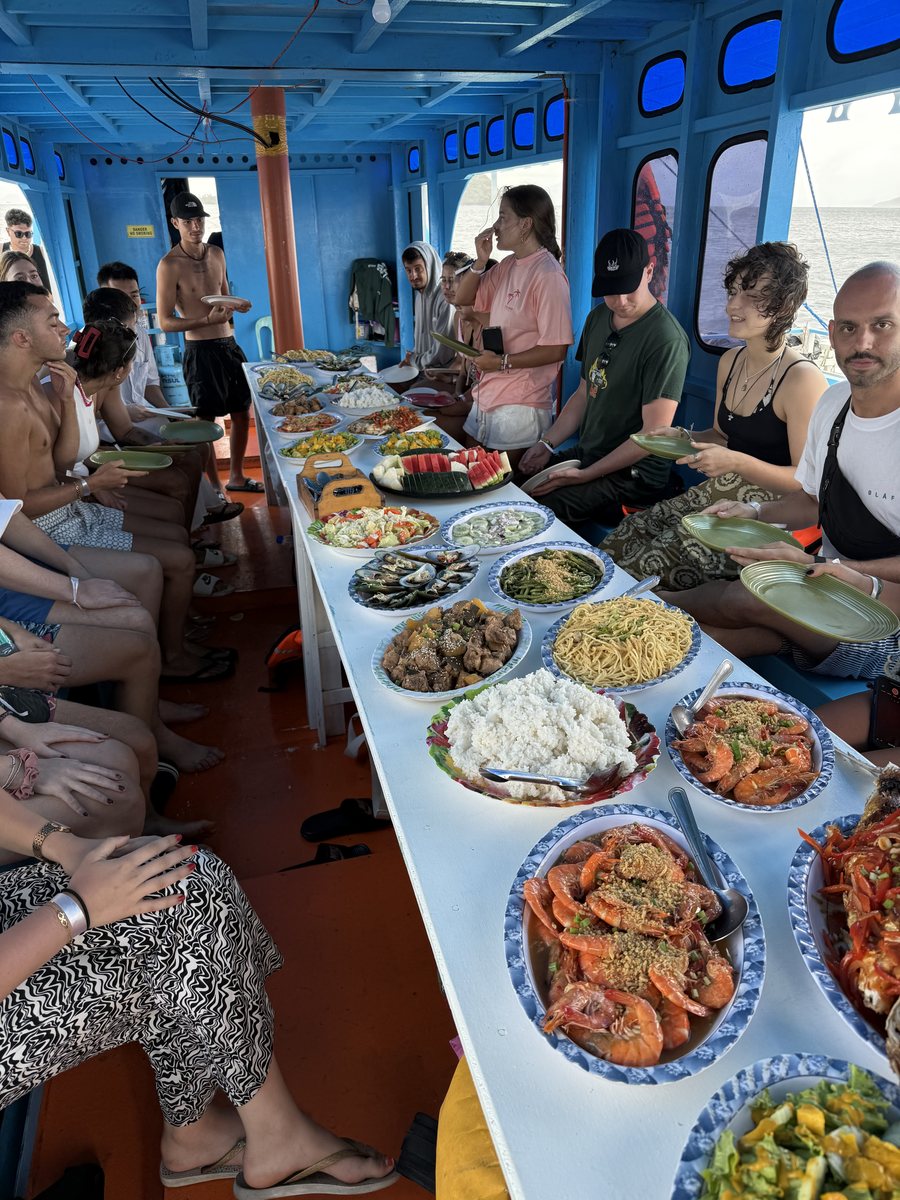
How it goes. Every day, it is sailing to places each more beautiful than the last, snorkelling, white sand beaches, games of volleyball, and time doing nothing on board or on the sand. Meals are cooked for the group, on board as well as on the islands where you sleep. The food was good all three days, which was far from a given.
The crew makes half the experience. Ours was brilliant, with a special mention for Ryan, Gabriel and John John.

Coron
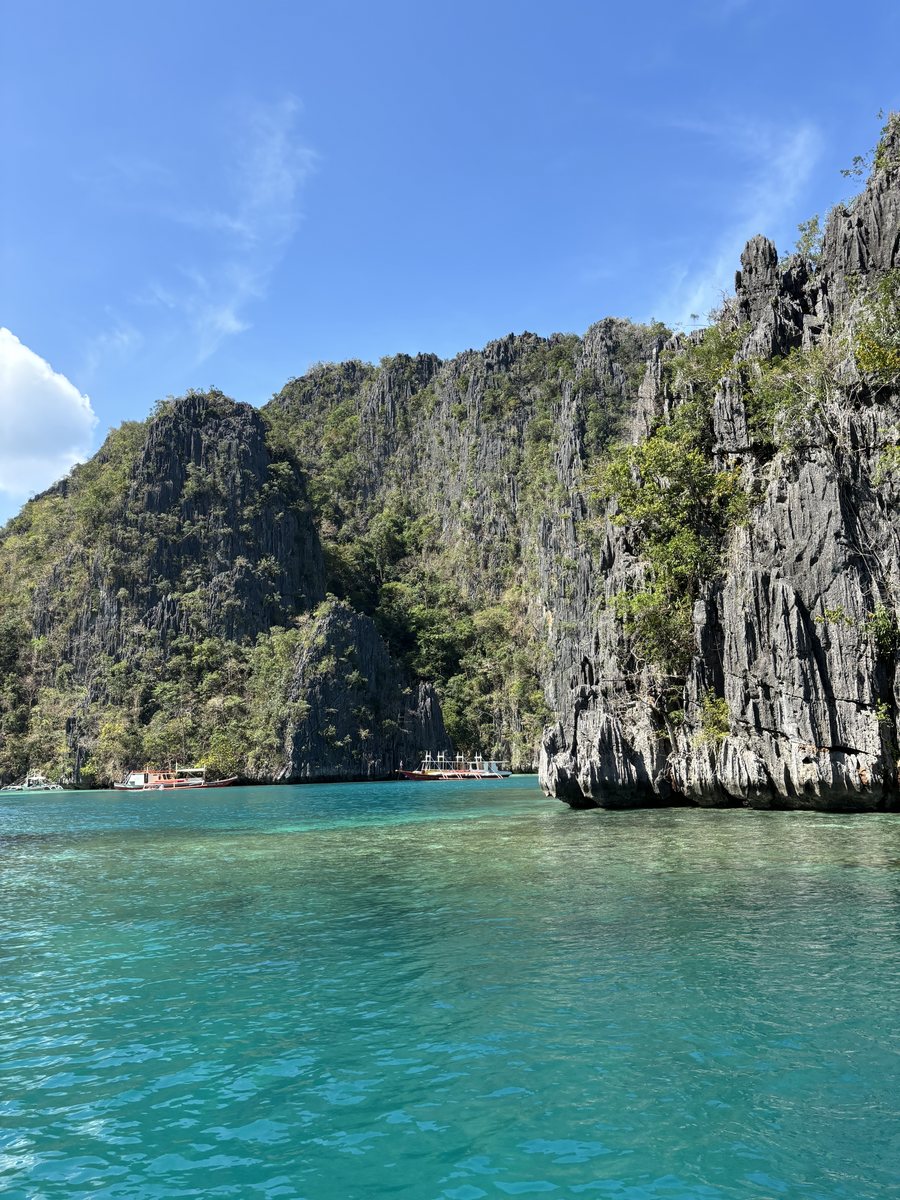
On Busuanga island, in the north. A setting of limestone peaks, hidden lakes and crystal clear water.
It is also a renowned dive site: several Japanese ships sunk during the Second World War lie in the bay, at accessible depths.
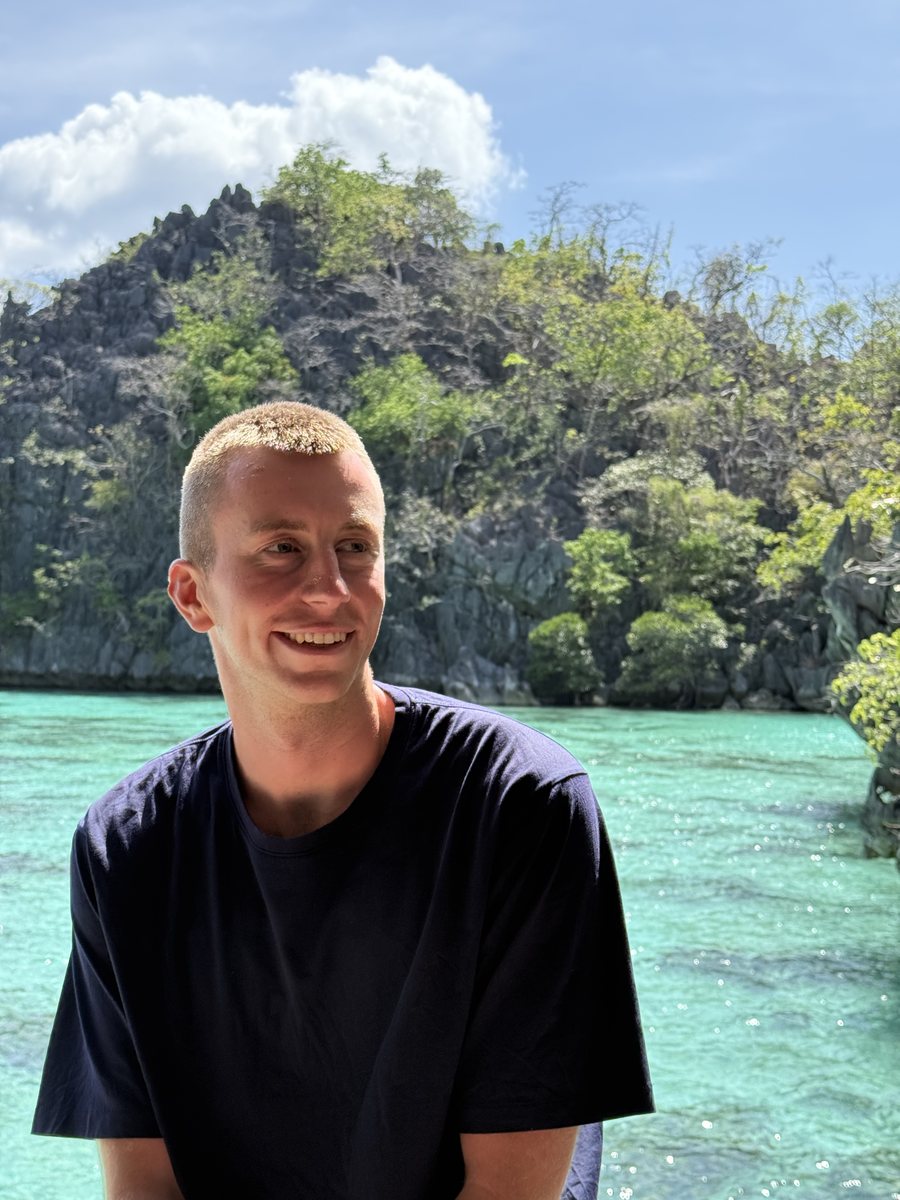
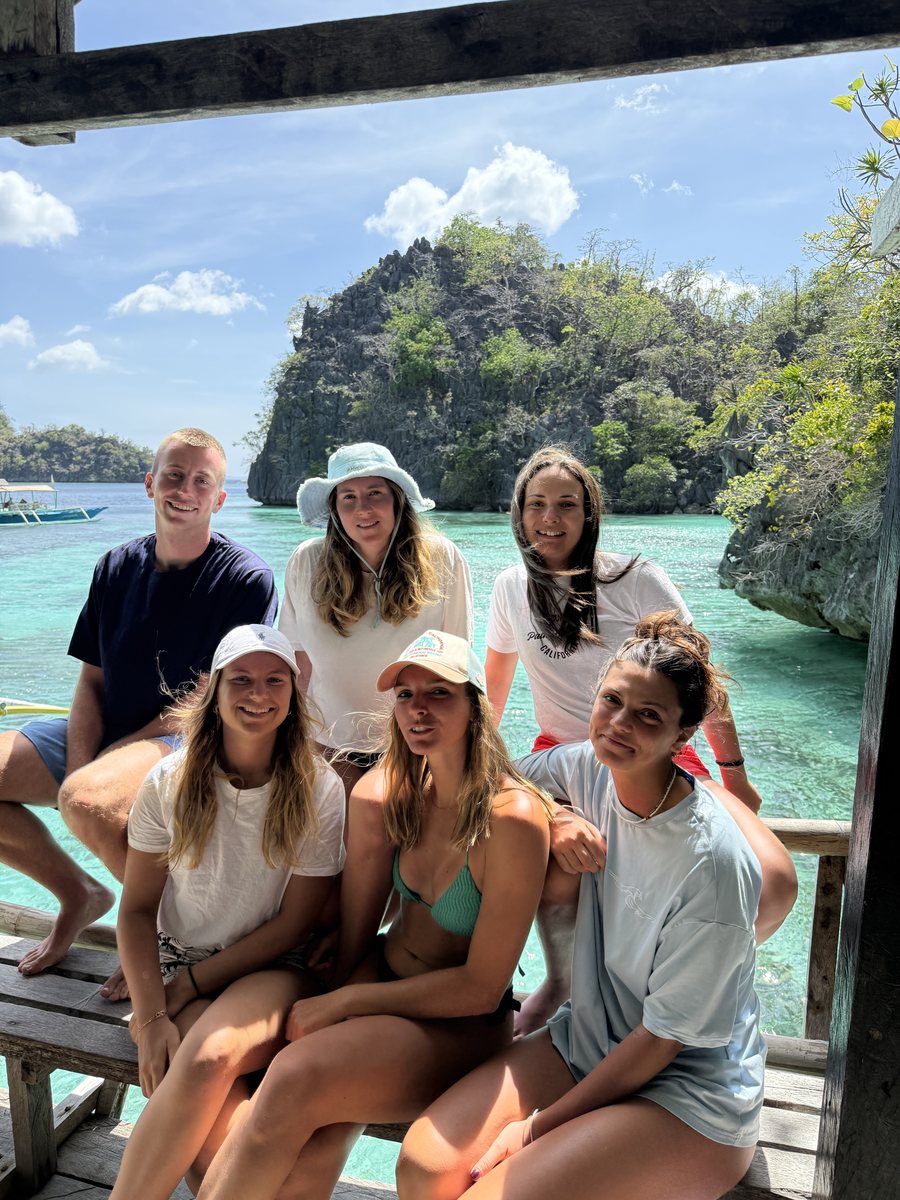
Kayangan Lake and the Twin Lagoons are the must sees, best visited early in the morning before the boats arrive.
Getting around
Between the towns of Palawan, everything is done by shared van. The roads are long and winding, and the announced travel times are always optimistic.
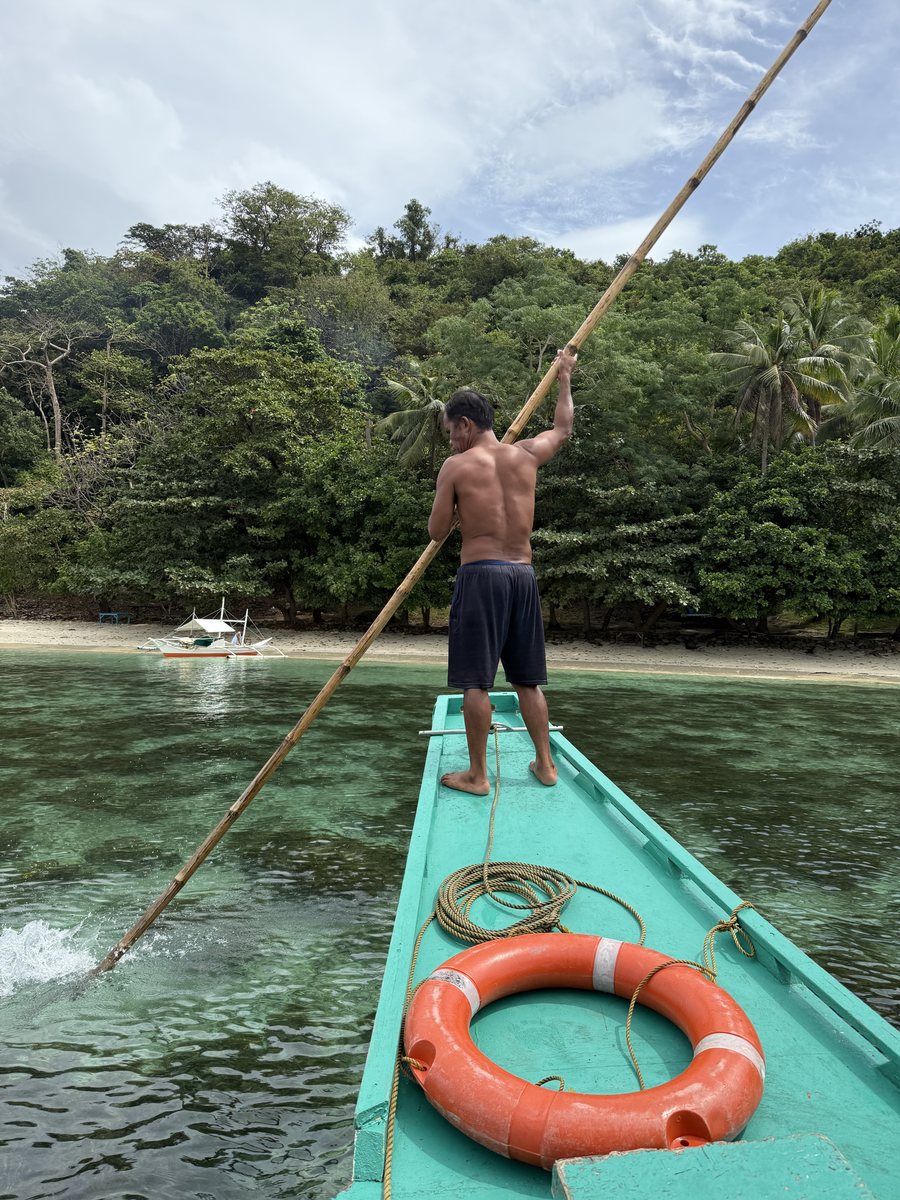
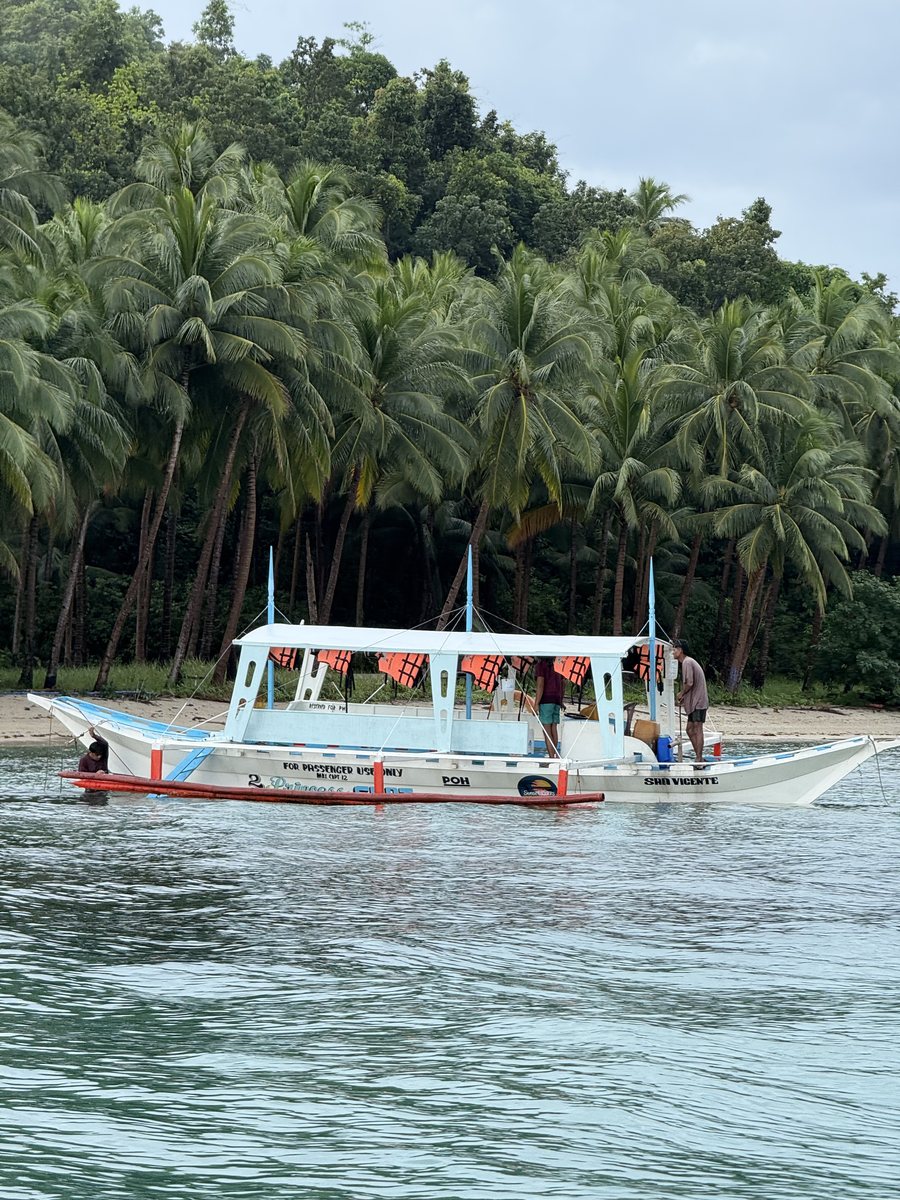
On the water, the bangka, the typical outrigger boat, is used for everything: island hopping, transfers between islands and cruises.
In town, the tricycle replaces the taxi. Agree on the price before you get in, never after.
Between the islands, domestic flights link Puerto Princesa, Busuanga and Manila, often cheaper than expected if you book early.
Where to stay
Four stops on land and three nights at sea, so two completely different ways of thinking about where to sleep.
In Puerto Princesa, accommodation is mostly a stopover between the airport and the road. A simple night near the centre is enough.
In Port Barton, the options are deliberately modest: family guesthouses and beachfront bungalows. For a long time the village only had electricity a few hours a day, and power cuts are still frequent.
In El Nido and Coron, you find everything, from hostels to small resorts. Places in town are more practical for leaving early on tours, those tucked away on the coast are quieter but depend on a tricycle ride.
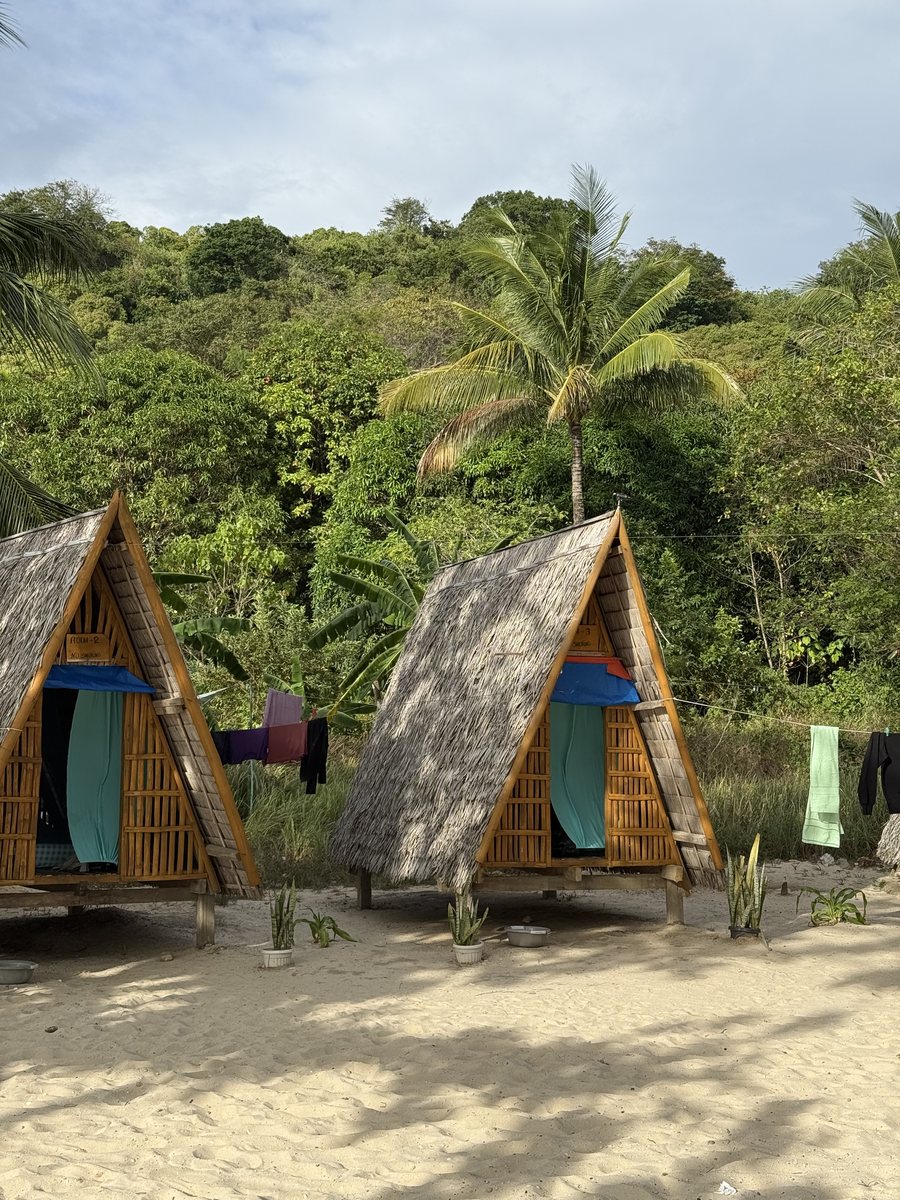
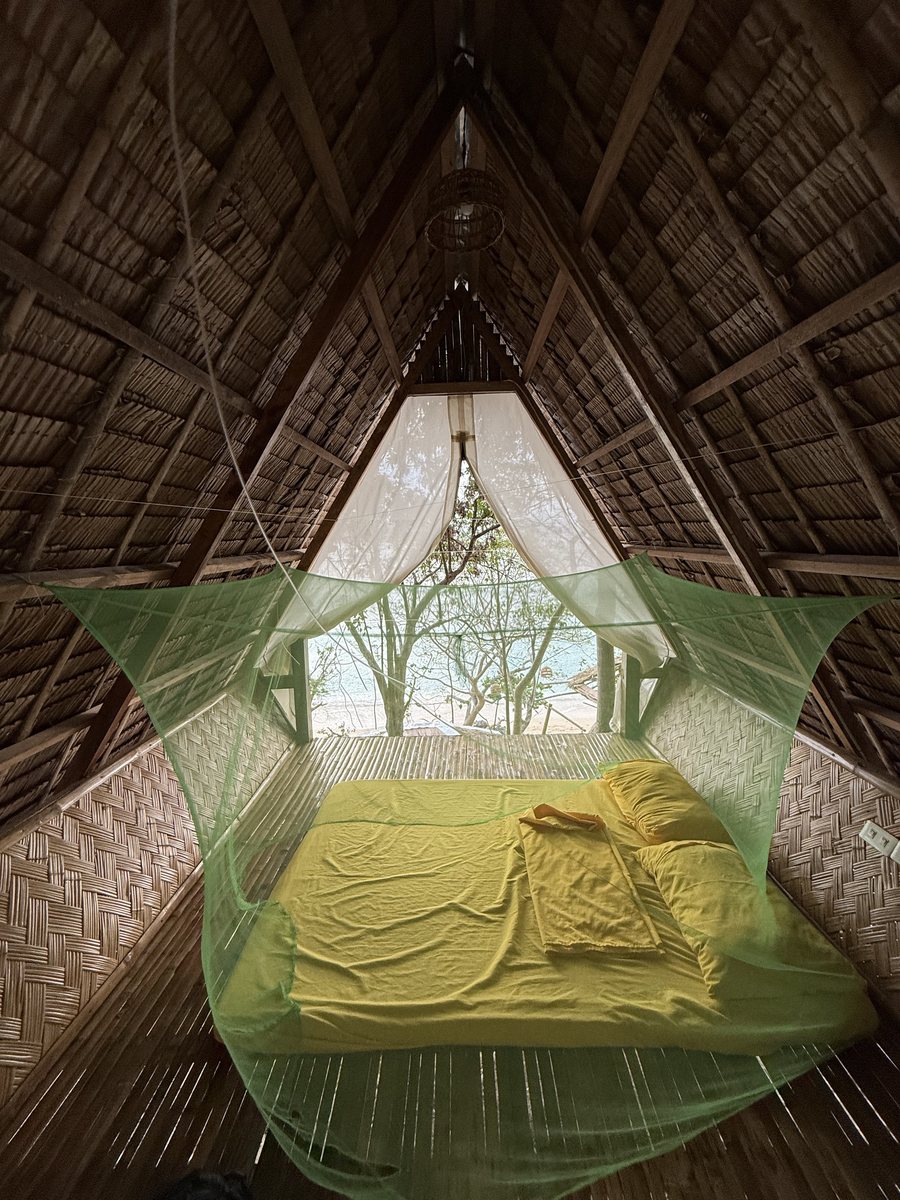
During the cruise, you camp on beaches or in villages, with no electricity or signal. It is not a discomfort to put up with, it is the heart of the experience, but you need to prepare for it.
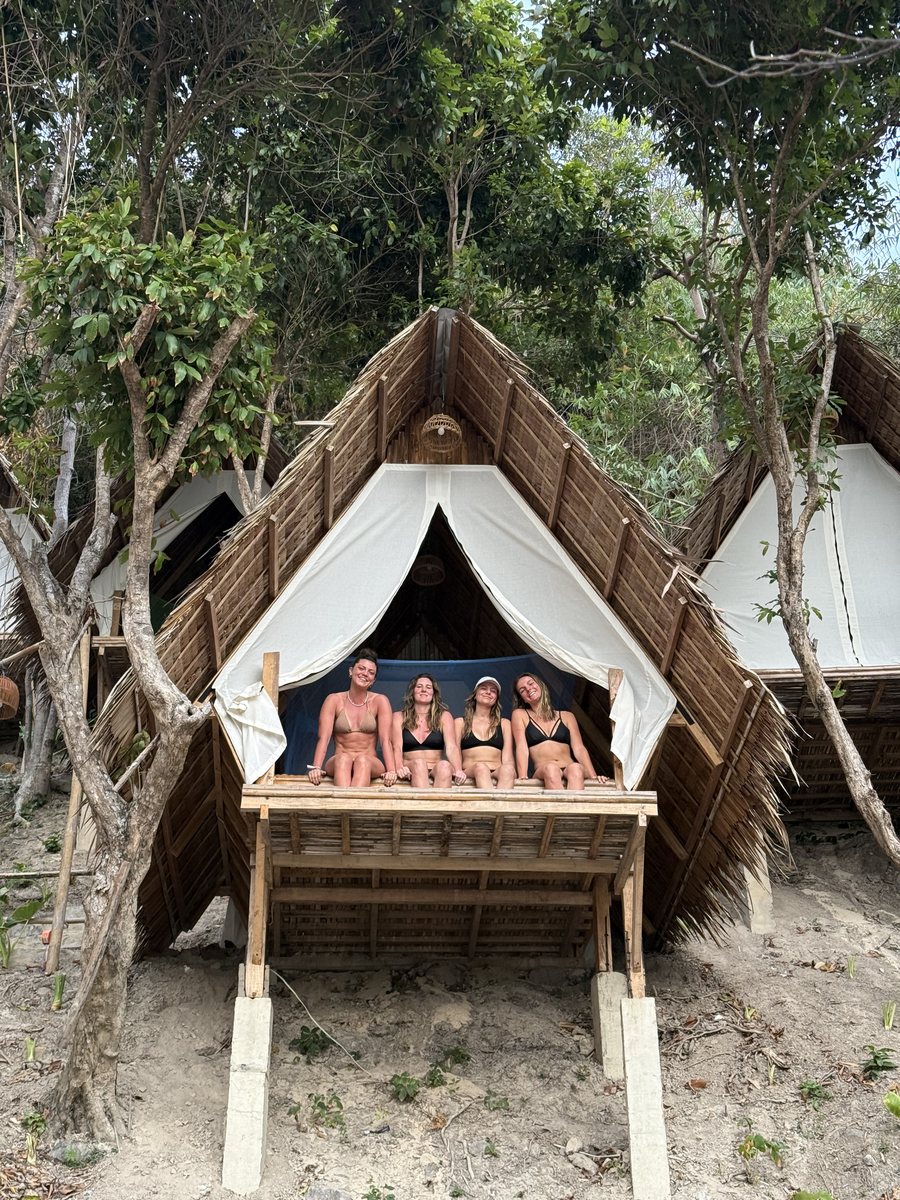
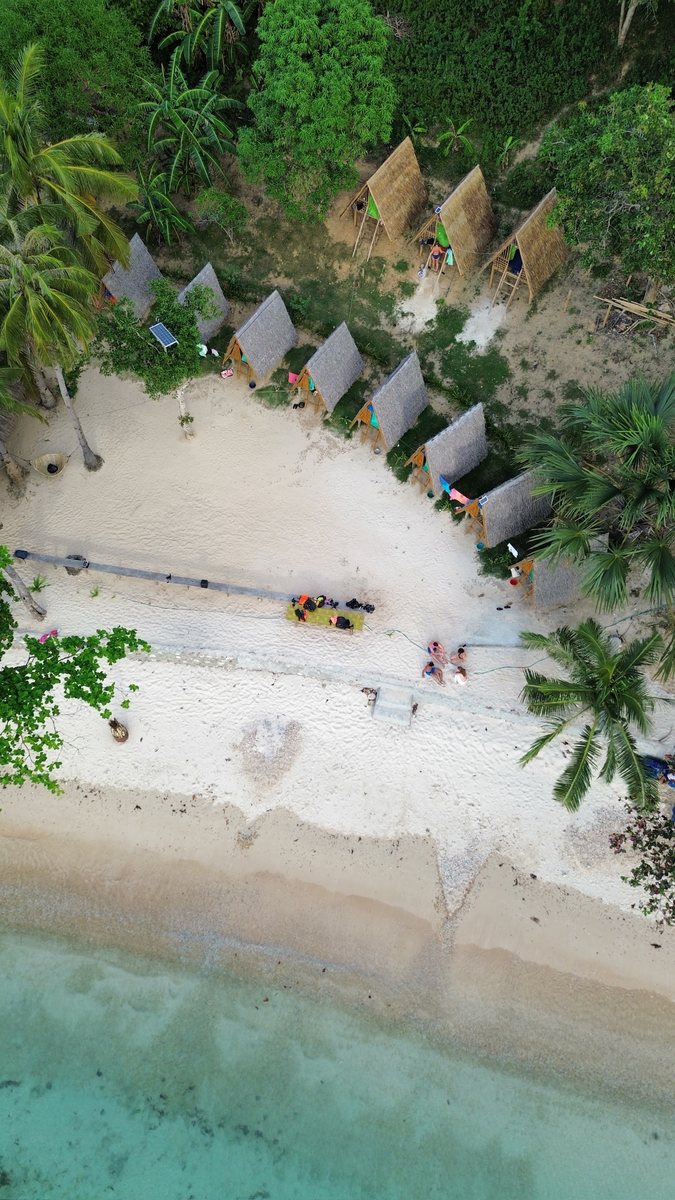
A useful habit everywhere in the archipelago: ask whether the place has a generator. Power cuts are part of daily life.
I did not keep the names of our places to stay, apart from the cruise which is booked separately. In this country, accommodation is not the point: it is where you spend the night between two days on a boat.
The real accommodation tip here is to book early, for the same reason as transport. In high season, the good places in Port Barton and El Nido go fast.
Not to be missed
The lagoons of Bacuit Bay in El Nido, Kayangan Lake in Coron, and of course the three days at sea between the two.
And for divers, the wrecks of Coron, which have no equivalent in Southeast Asia.
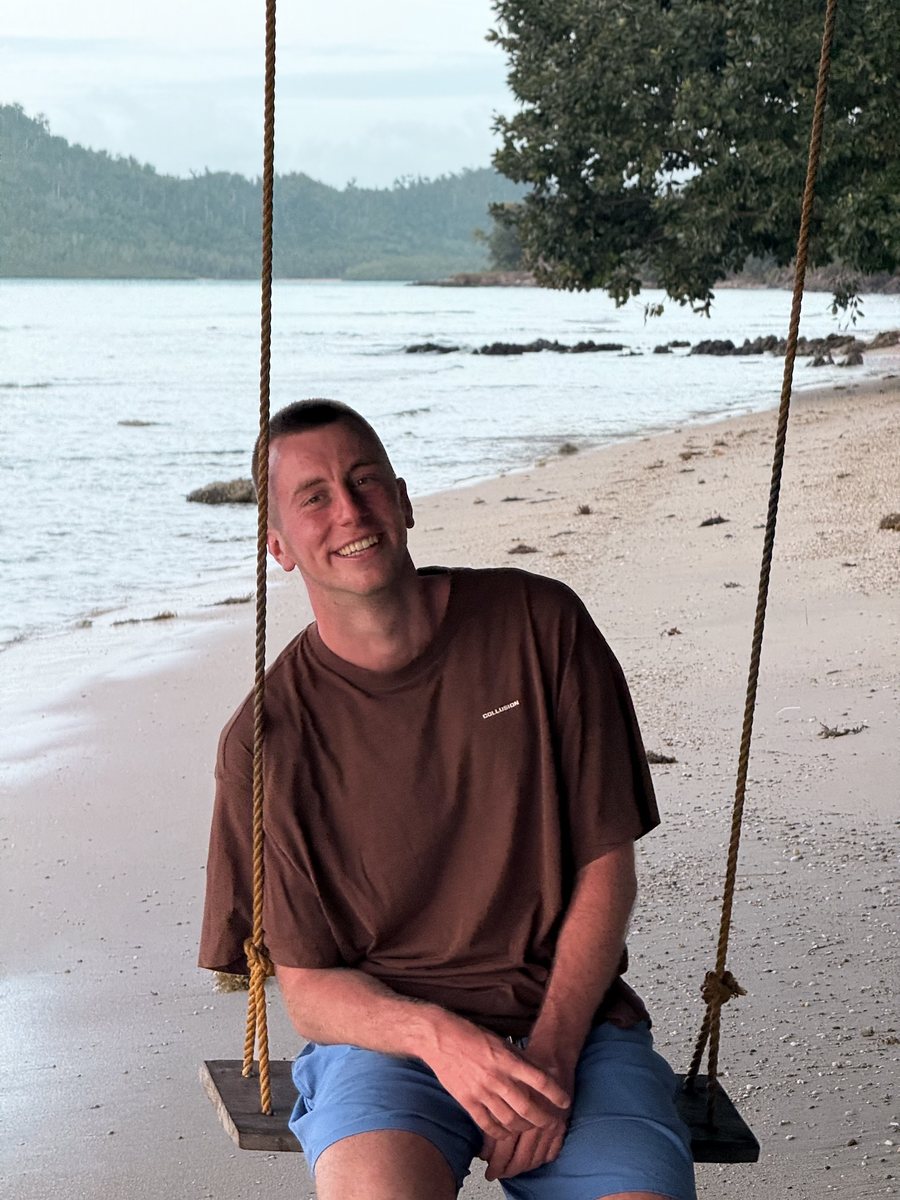
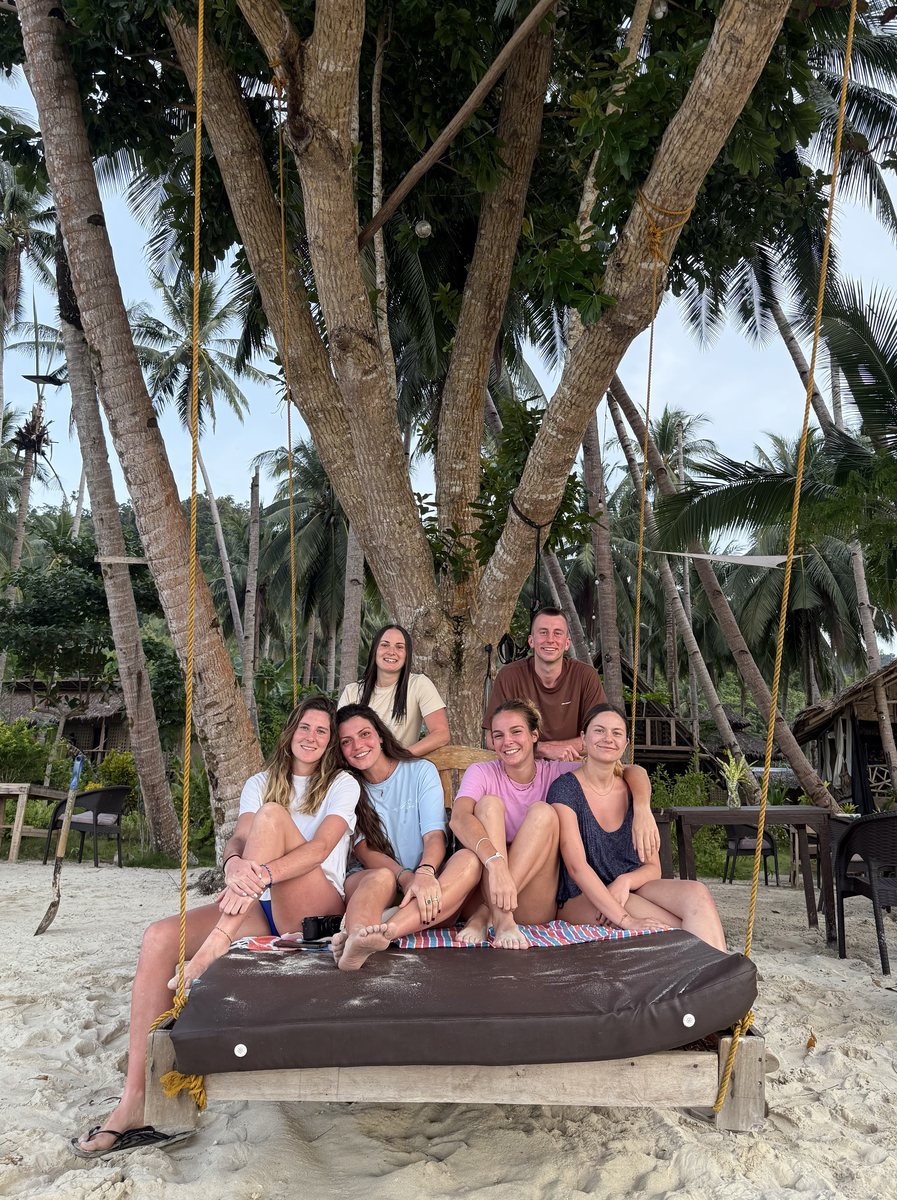
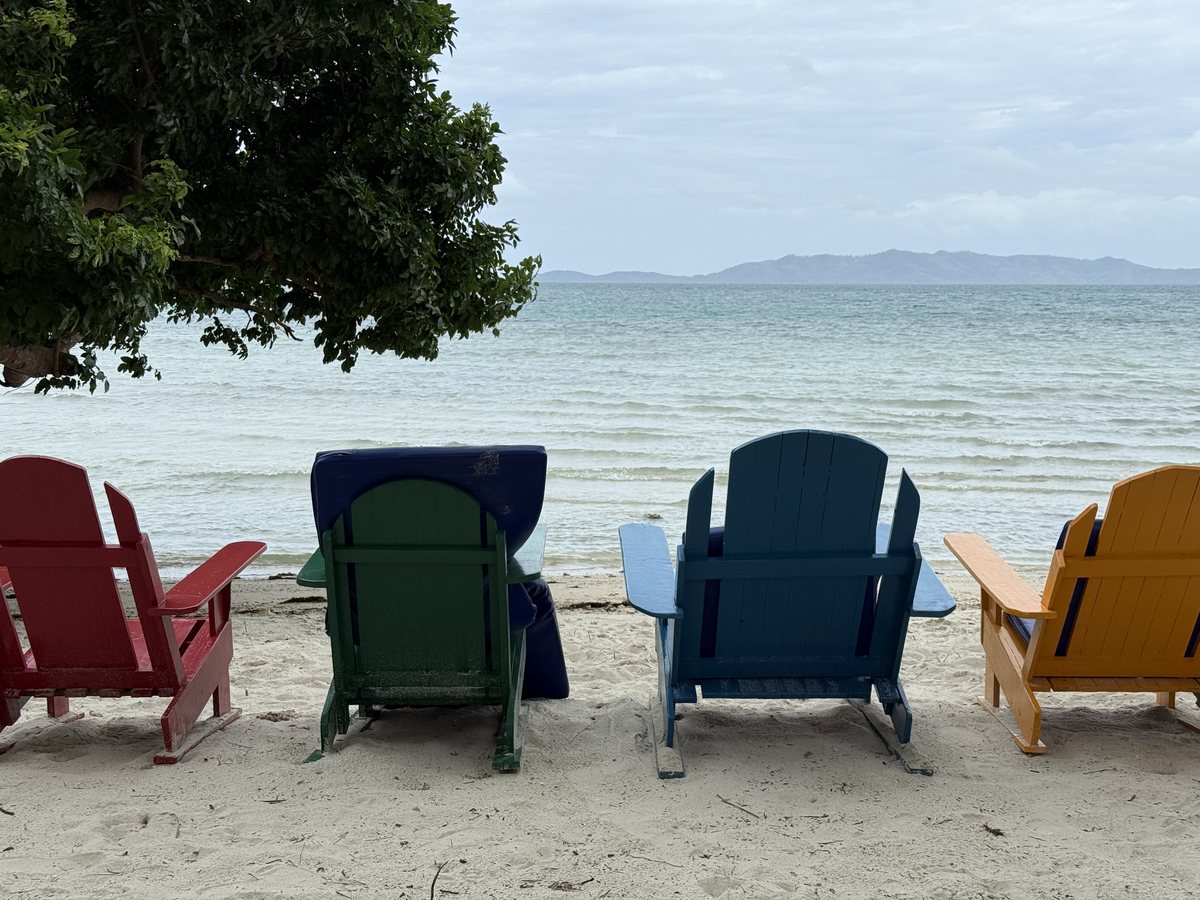
The cruise from El Nido to Coron, far ahead of everything else. The scenery, first. But above all the mix: young backpackers from all over the world, a really friendly crew, unusual places to sleep and good food, all over three days cut off from the world.
If you could only keep one thing from this trip, it would be that.
Mistakes to avoid
Trying to string together several archipelagos in two weeks. Palawan alone easily fills the stay, and every move between islands costs a day.
Booking the cruise at the last minute. The good operators are fully booked weeks in advance in high season.
Leaving without enough cash. It is the number one problem for travellers on the ground.
Underestimating the sun on a boat. Three days at sea with no shade is unforgiving.
Our mistake, and it is a lesson: we waited too long to book the flight from Coron to Manila. By the time we got round to it, there were no seats left. We ended up on the ferry, a seventeen hour crossing. The upside, it was cheap. The downside, a whole day of the trip.
What it says about the country: there is a lot of travelling in the Philippines, and it is one of the destinations in Asia where you do not book at the last minute. Domestic flights and ferries really do fill up.
What to pack
Packing revolves around the cruise. Three days with no sockets or shops completely change the list.
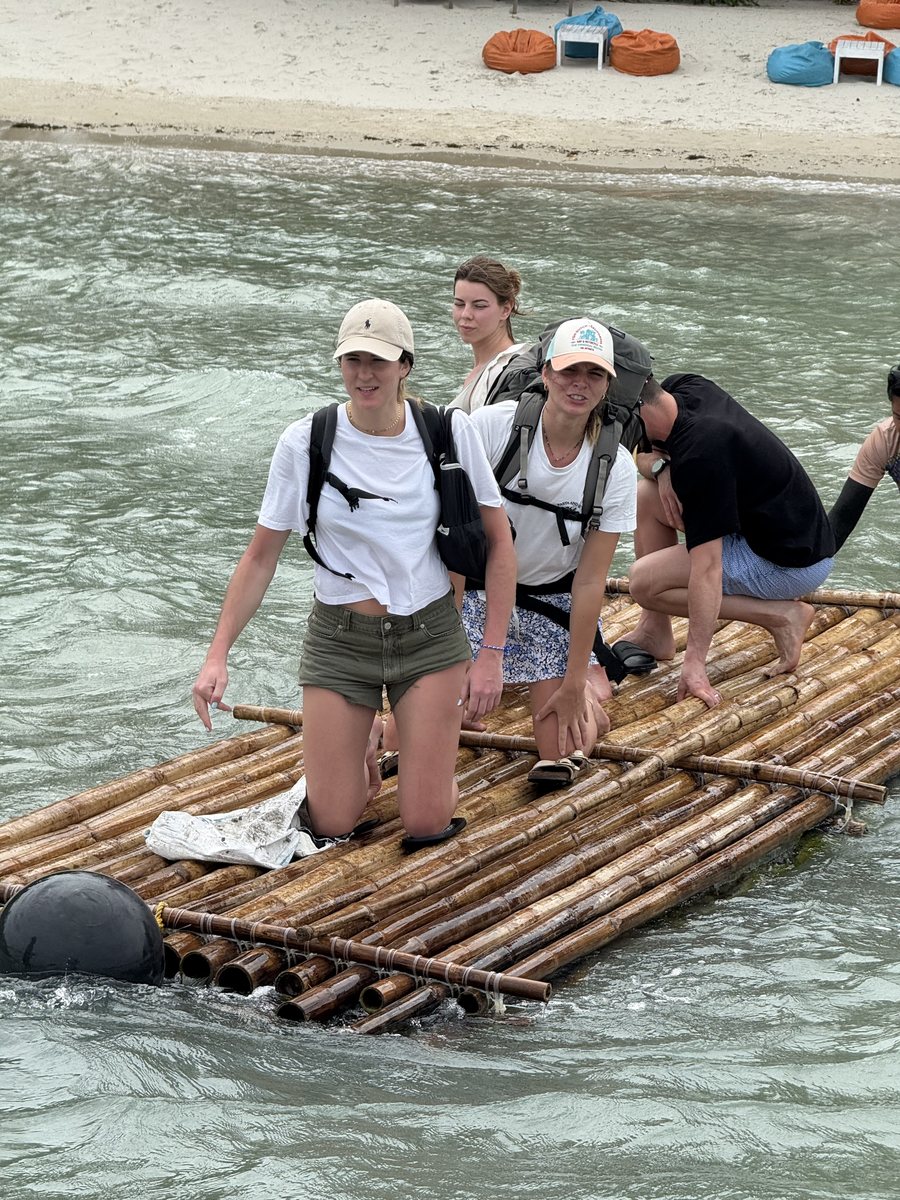
Waterproof above all. A dry bag for your gear, and separate pouches for papers and your phone. Transfers are done by boat, often with your feet in the water.
Power in advance. No sockets during the cruise. A high capacity power bank, fully charged, decides whether you can film or not.
A head torch. The camps have no lighting, and night falls early and fast at these latitudes.

For the reefs. Water shoes, because coral cuts. Sunscreen, ideally without oxybenzone or octinoxate, which damage coral.
Cash. ATMs are rare outside the towns, often empty at weekends, and many guesthouses do not take cards. It is better to withdraw in Puerto Princesa or El Nido.
Electricity. The Philippines run on 220 volts but with flat type A sockets, as in the United States. Coming from Europe, you need an adapter, unlike in Indonesia or Vietnam.
A backpack, definitely not a suitcase. Between jetties, boats and sand, wheels are useless here.
A small dry bag for electronics. On the cruise, the boat is always a bit wet. Local sellers offer them when you leave El Nido if you do not have one.
How it works on board: your big bag stays in the hold during the day, you only keep the small one with you. Organise your things accordingly the night before.
Electricity and signal. You can charge your drone, cameras and phone in the evening, at the camps. On the other hand, there is no signal at all for the three days. For us it was bliss, a total disconnection, but let your loved ones know before you leave.
Shall we plan your trip together?
This guide gives you the outline. If you want to go further, I build your itinerary with you: the route stage by stage, where to stay, the journeys between towns and the activities that are really worth the day.
We start from your dates, your budget and what you want to experience. You leave with a plan that is ready to follow, knowing what to book in advance and what can wait until you get there.
Three packages, from 59 € for feedback on your plan to 249 € for the full itinerary. The first chat is free, with no commitment.
The links and gear mentioned
The booking platforms, eSIMs, banks and insurance I use when I travel are all on one page, with my referral codes.
Page checked and updated on .