
When to go
The dry season runs from April to October. It is the safest time to move from one stop to the next, especially in the north and the mountains.
From November to March, it is the rainy season. It does not rain all day, but the downpours are heavy and the sea brings plastic onto some beaches in the south.
July, August and the Christmas period are the busiest. Prices go up and traffic in the south becomes a real pain.
One day to know about: Nyepi, the Balinese new year, in March. The whole island stops for twenty four hours. The airport closes, going out is forbidden, lights go off. It is not something to put up with, it is an experience in itself, but you need to plan for it.
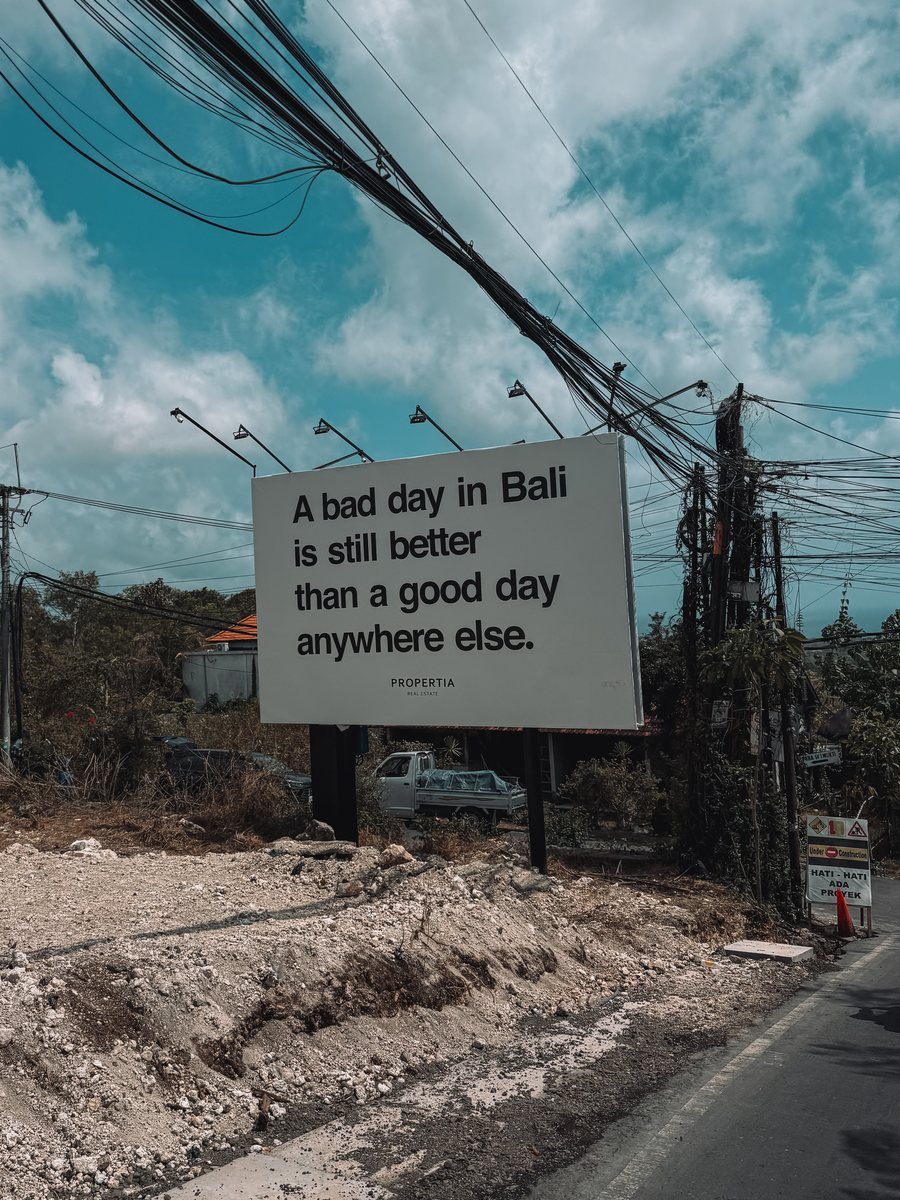
We went in July and August. We did not get a single drop of rain in the whole of August. That is the upside of high season: good weather is almost guaranteed, but the south is crowded and prices go up.
The real budget
Bali works for every budget, and that is exactly the trap. You can sleep for a few euros or spend a hundred and fifty a night, two streets apart.
Two costs often get forgotten in the calculations: the tourist tax charged to foreign visitors, and the price of private drivers as soon as you link two distant stops.
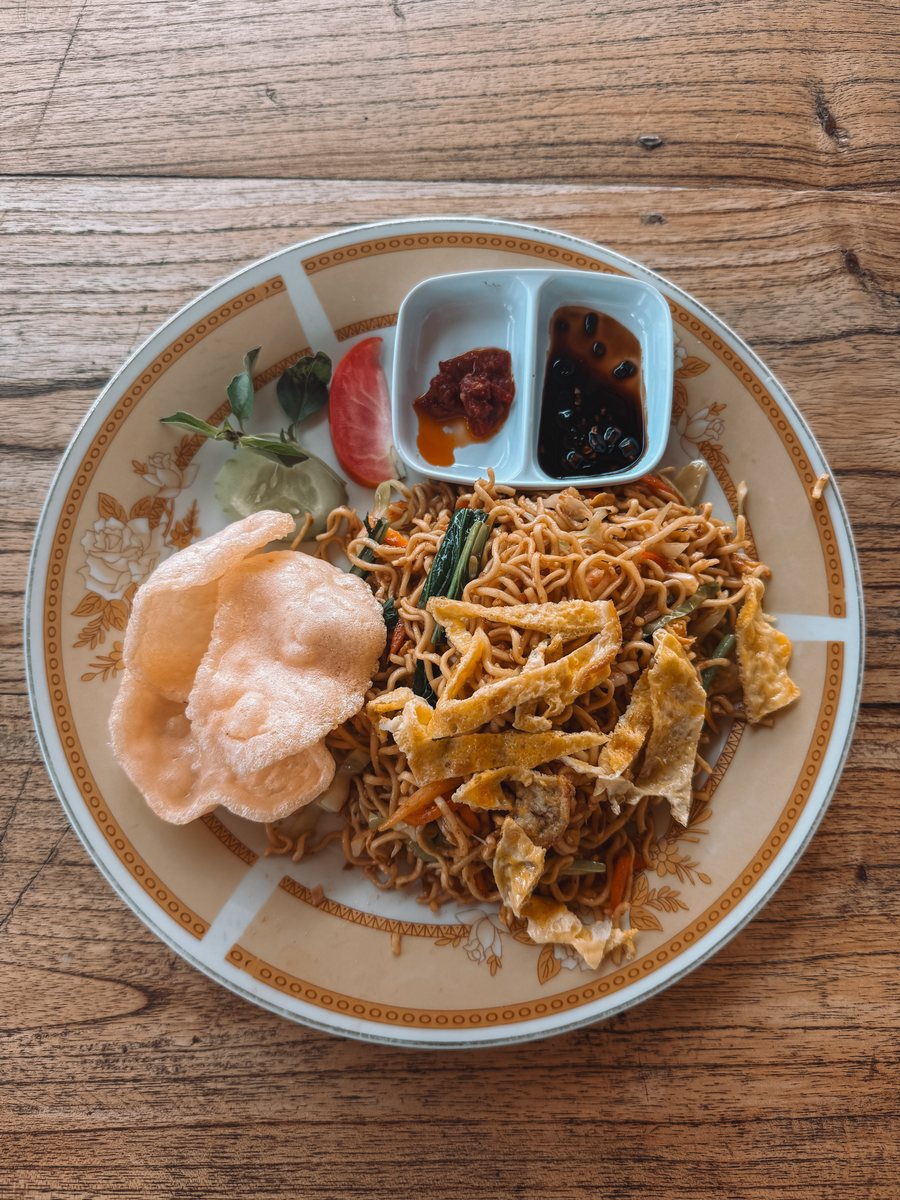
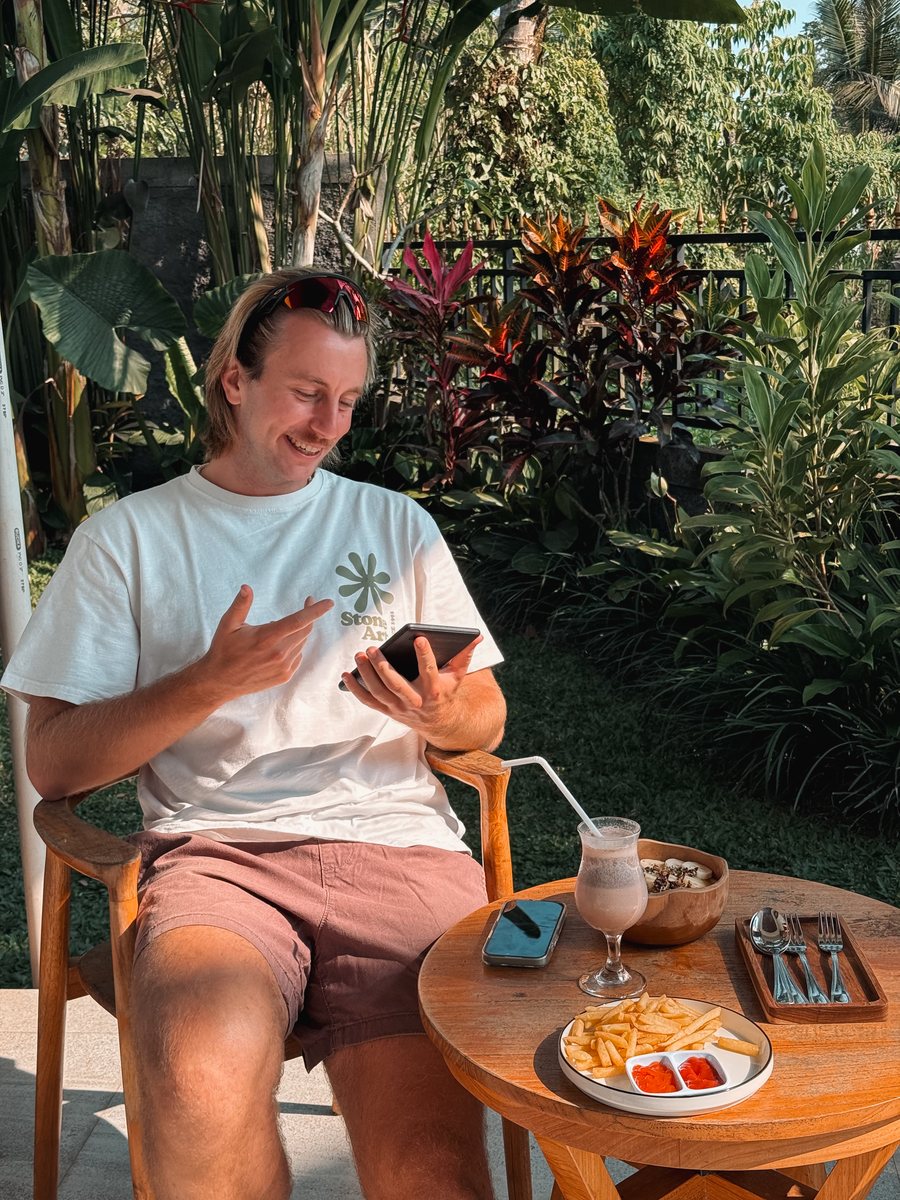
A meal at a warung is still the best value on the island, by far. A mie goreng like this one costs a fraction of what you will pay in a café in Canggu, and often tastes better.

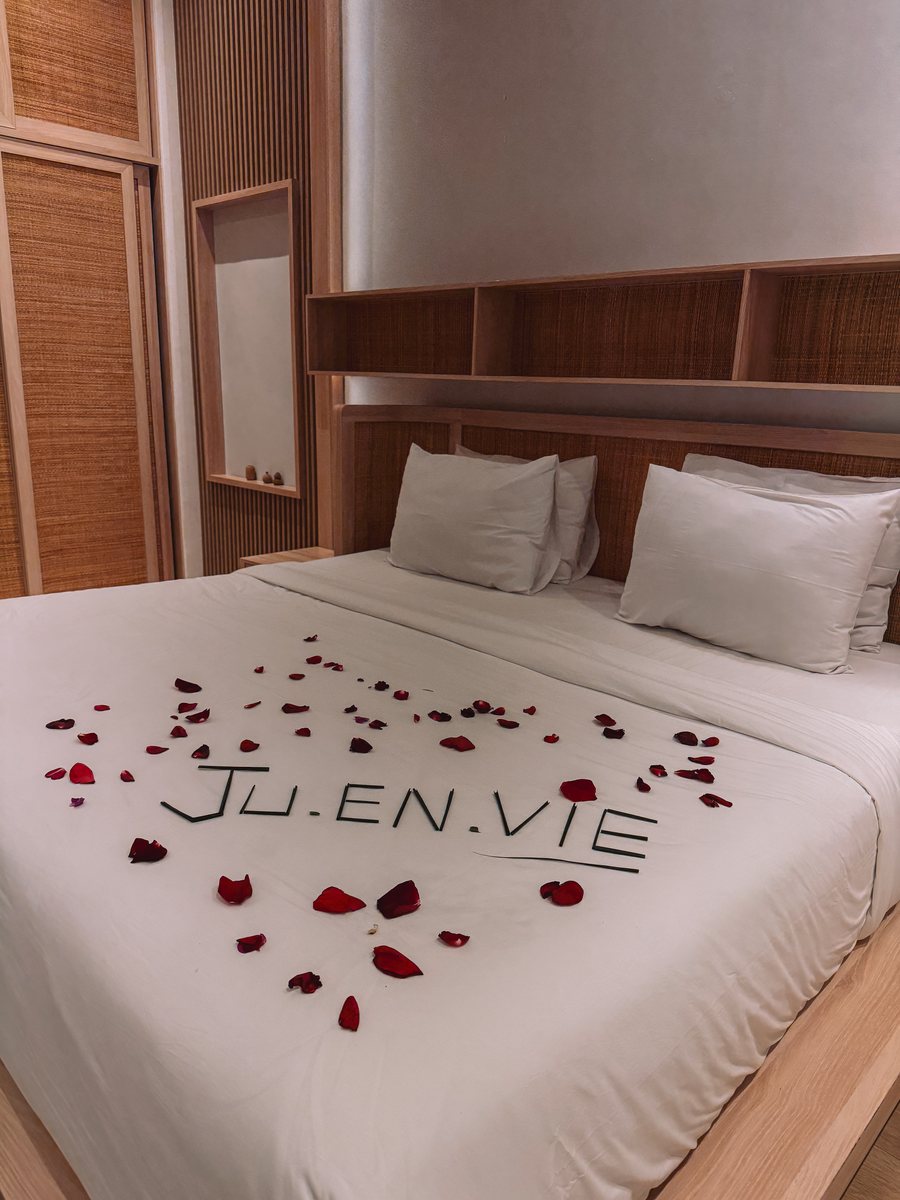
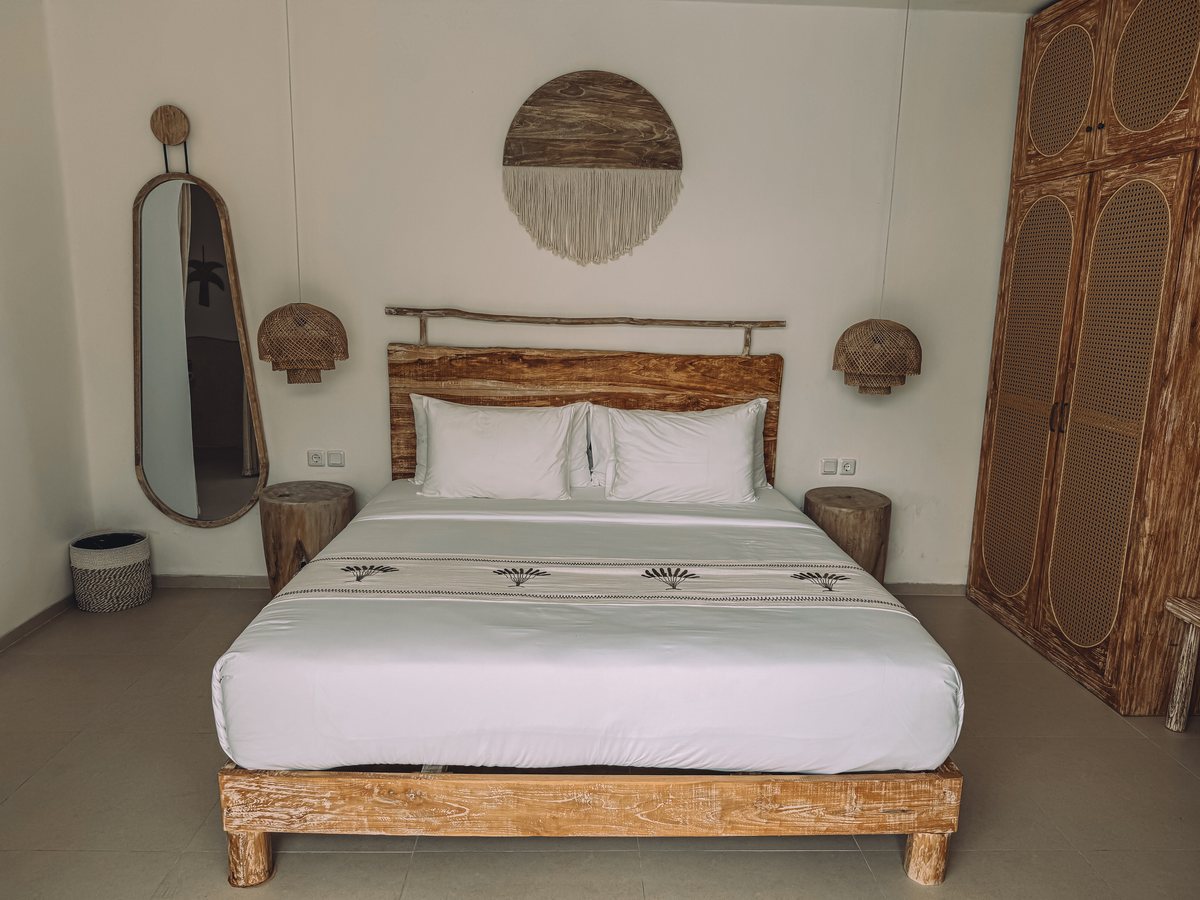
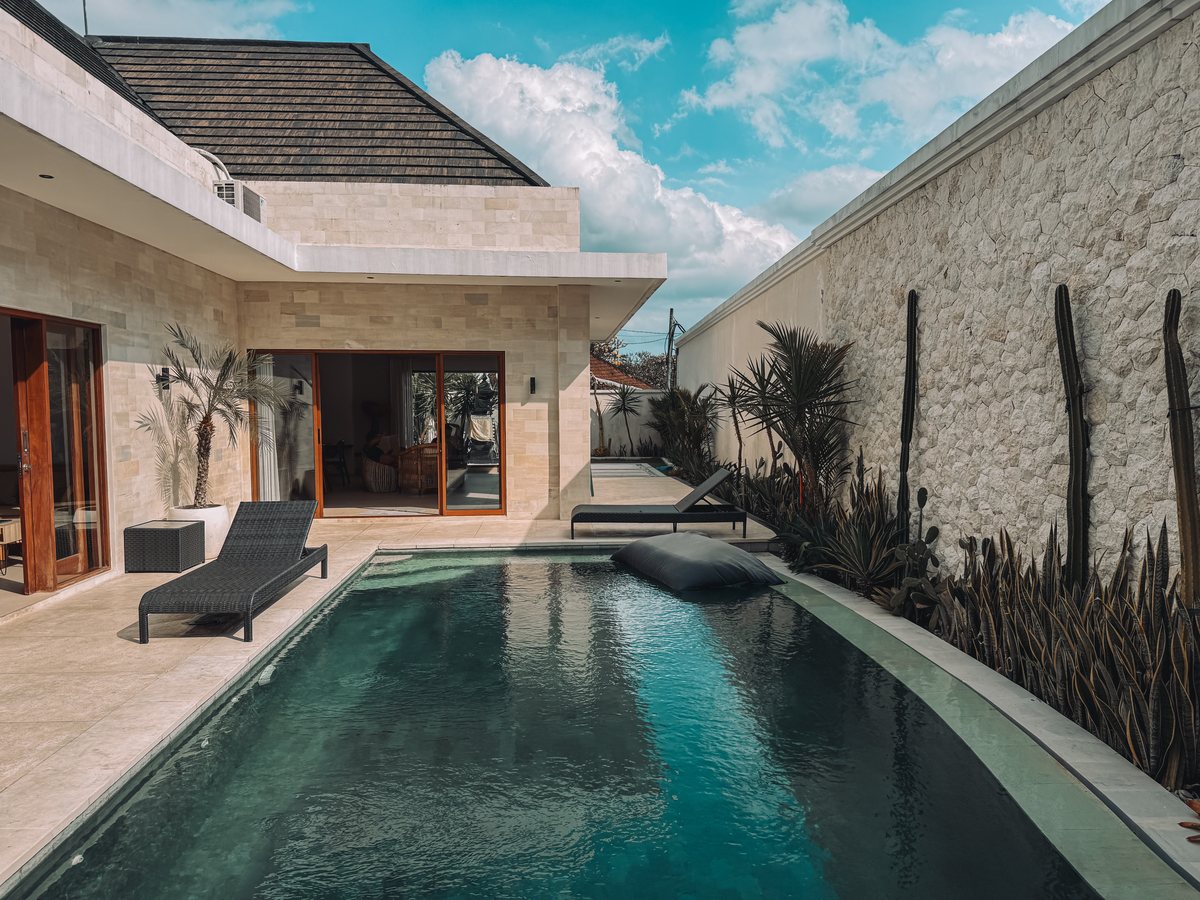
A night. From 6 € in a hostel to 50 € for a beautiful villa. We stayed in a stunning villa in Canggu at 250 € a night, but there were five of us, so 50 € each. That is the maths to do as soon as you travel as a group: the villa becomes affordable where it looked out of reach.
The scooter. Between 60,000 and 200,000 rupiah a day depending on the model and the place.
The private driver. From 200,000 to 800,000 rupiah depending on the distance. To give you an idea, we paid 500,000 rupiah to get to Amed from Padang Bai with six of us in the car, and 700,000 from Lovina to Canggu.

My itinerary
Nine stops. The south first, then the east coast, the north and the mountains, before heading back down to the centre.
- SeminyakThe arrival zone, beach and restaurants
- UluwatuCliffs, surf and a temple above the sea
- Nusa LembonganAn island to explore by scooter in a day
- AmedBlack sand, snorkelling and the Liberty wreck
- LovinaThe calm north coast and dolphin trips
- MundukMountains, lakes and waterfalls
- CangguSurf, cafés and coworking spaces
- UbudRice terraces, temples and the monkey forest
- SidemenThe quiet valley at the foot of Agung

Seminyak
First stop, a short half hour from the airport when the traffic allows. A long grey sand beach, restaurants, shops and sunsets over the ocean.
This is comfortable Bali, the one that eases you in when you step off the plane.
Uluwatu
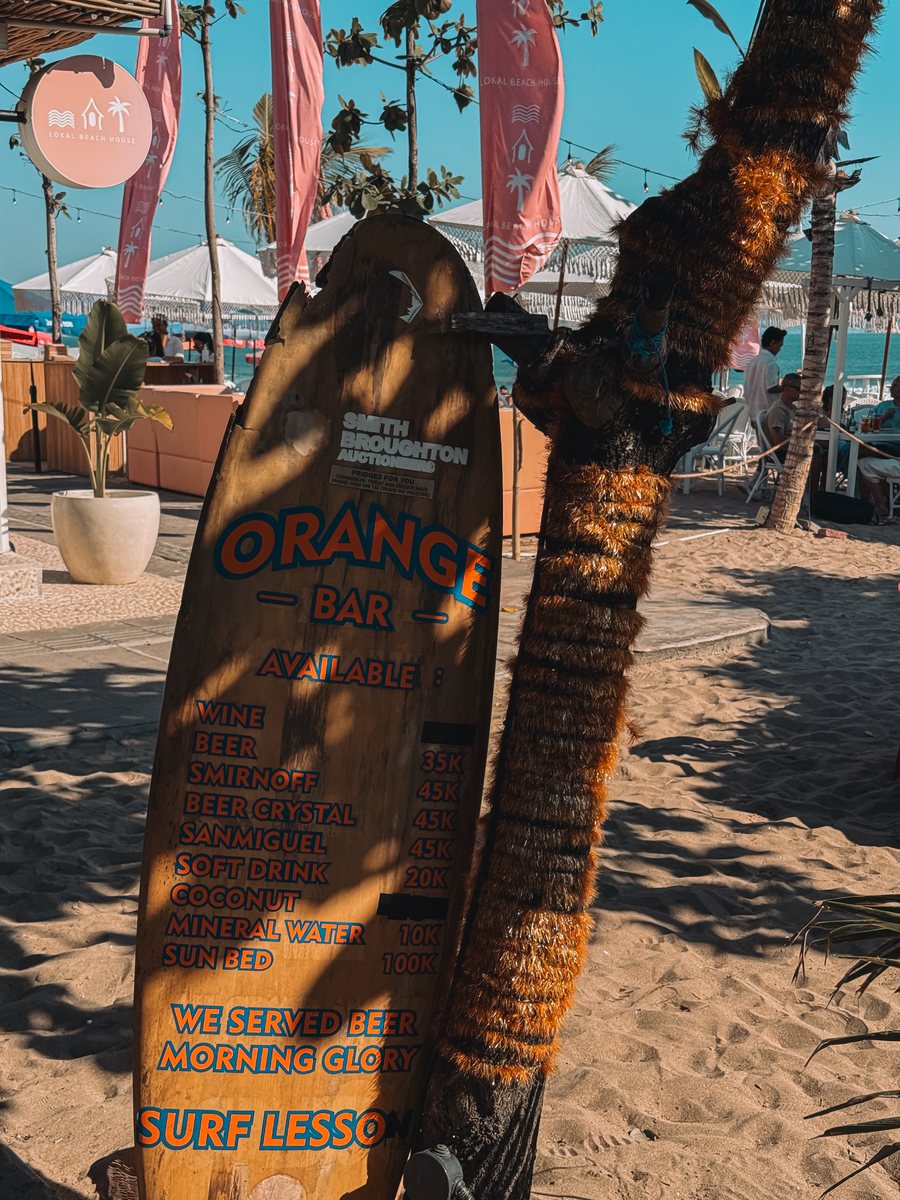
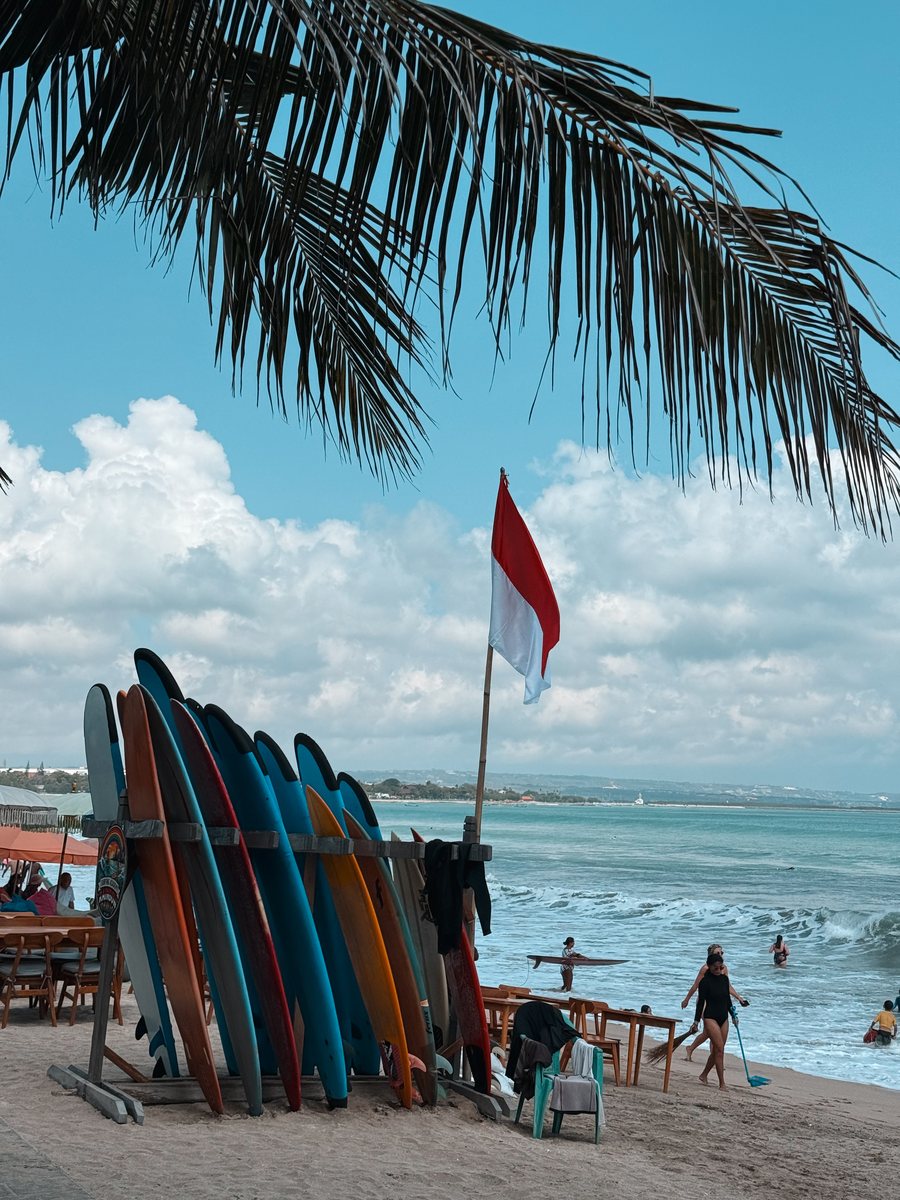
Heading south, onto the Bukit peninsula. Here the cliffs drop straight into the sea and the surf spots follow one after another.
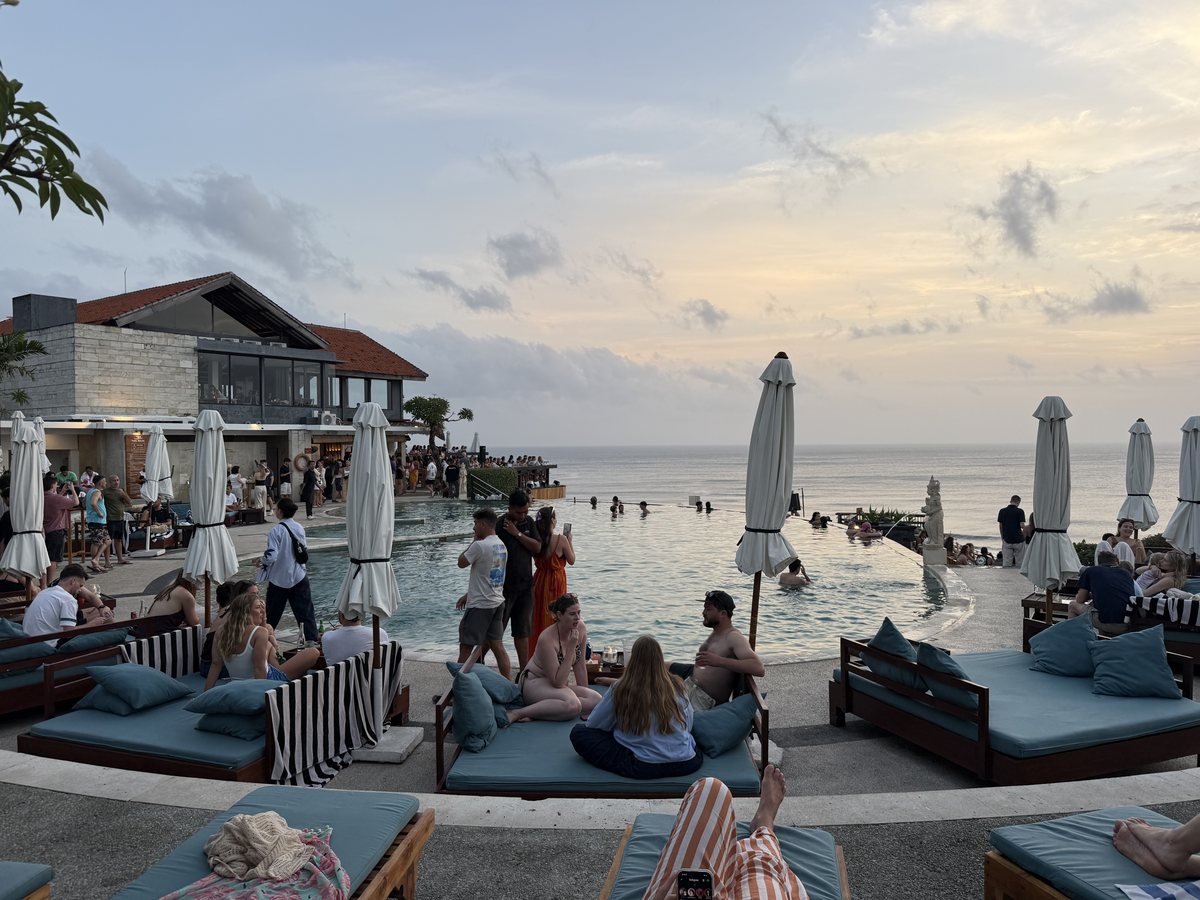
Uluwatu temple sits on the cliff. The kecak dance is performed there at sunset, facing the ocean.
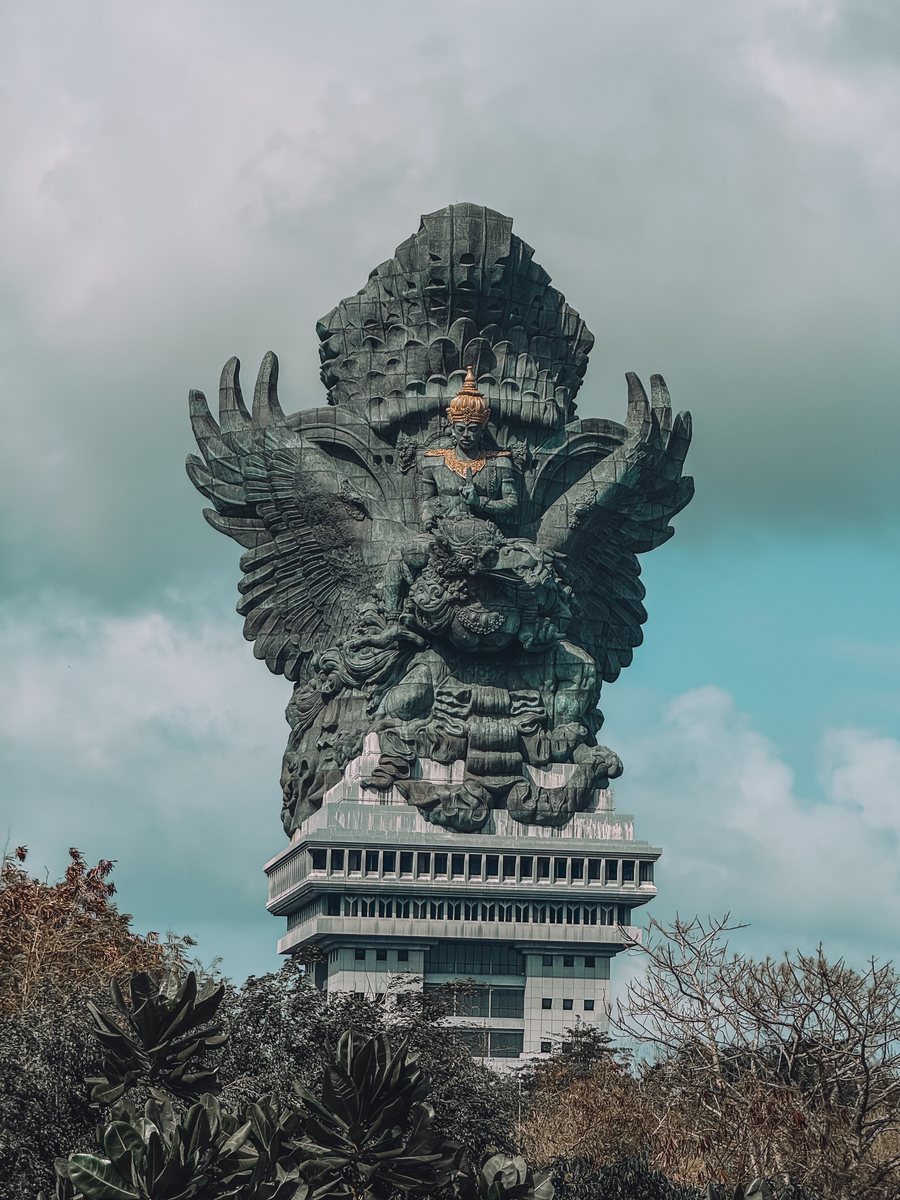
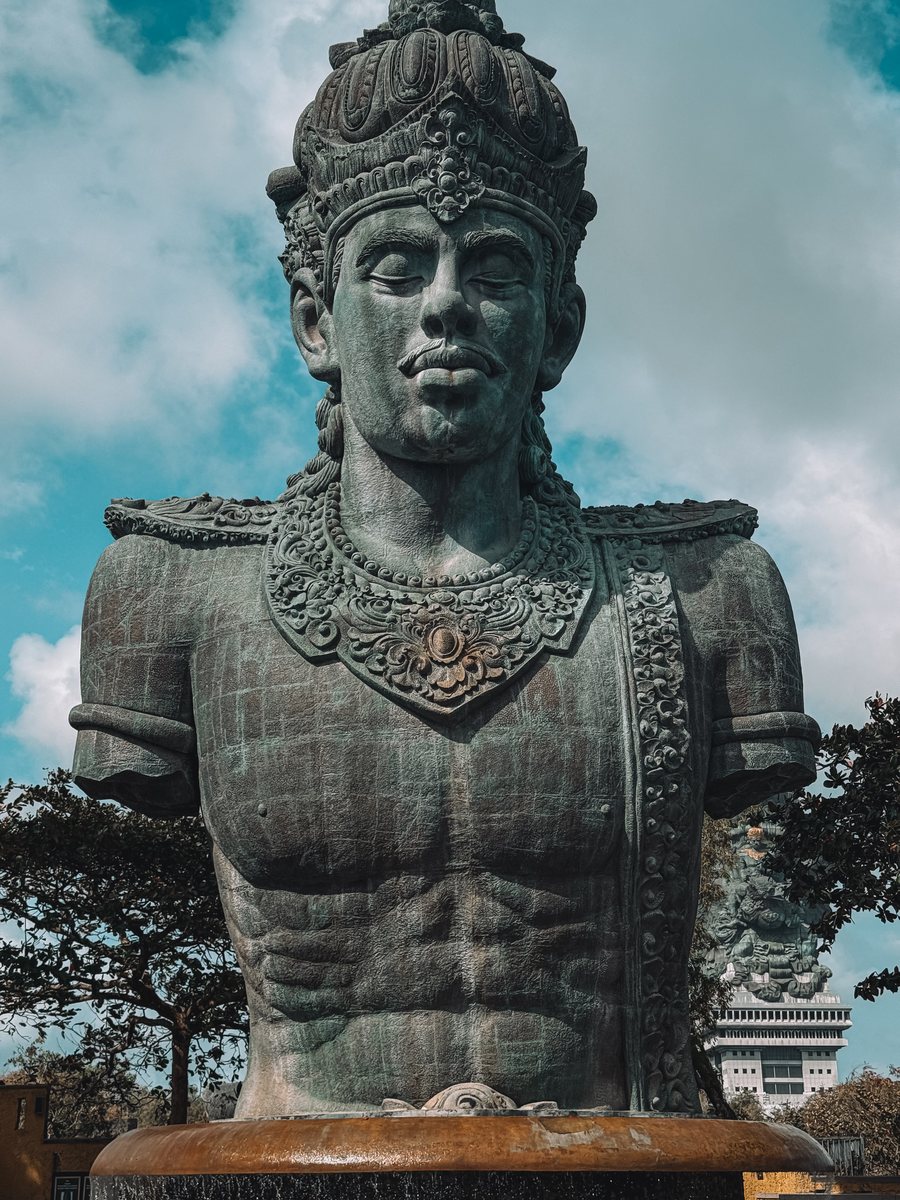
A few minutes away, the Garuda Wisnu Kencana statue towers over the whole south of the island. A hundred and twenty one metres high, visible from far away, hard to miss.
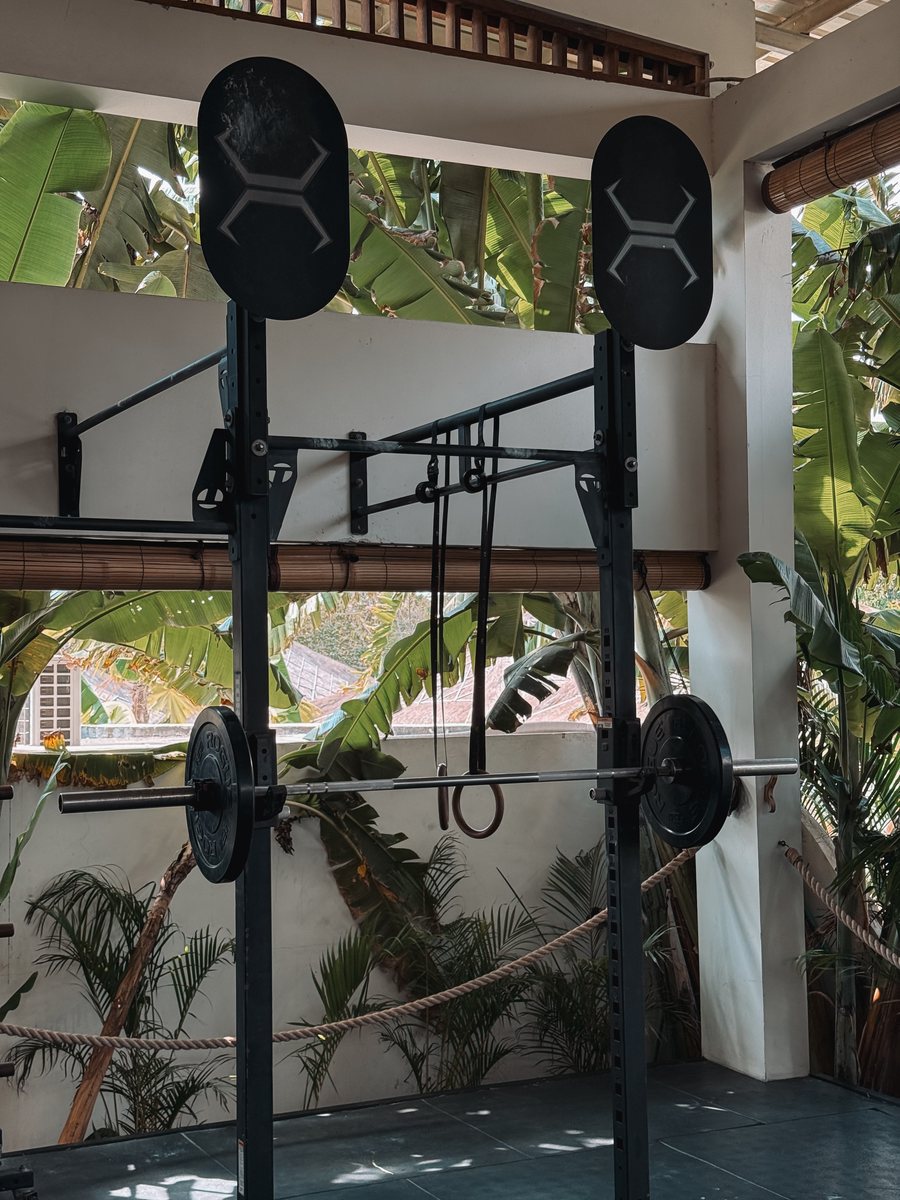
The area is also well set up for training. There are lots of open air gyms, open onto the greenery, a nice change from basement gyms back home.

Nusa Lembongan
A small island off the east coast, about thirty minutes by fast boat from Sanur.
You can ride all the way round it by scooter in a day. The yellow bridge leads to Nusa Ceningan, its even smaller neighbour.
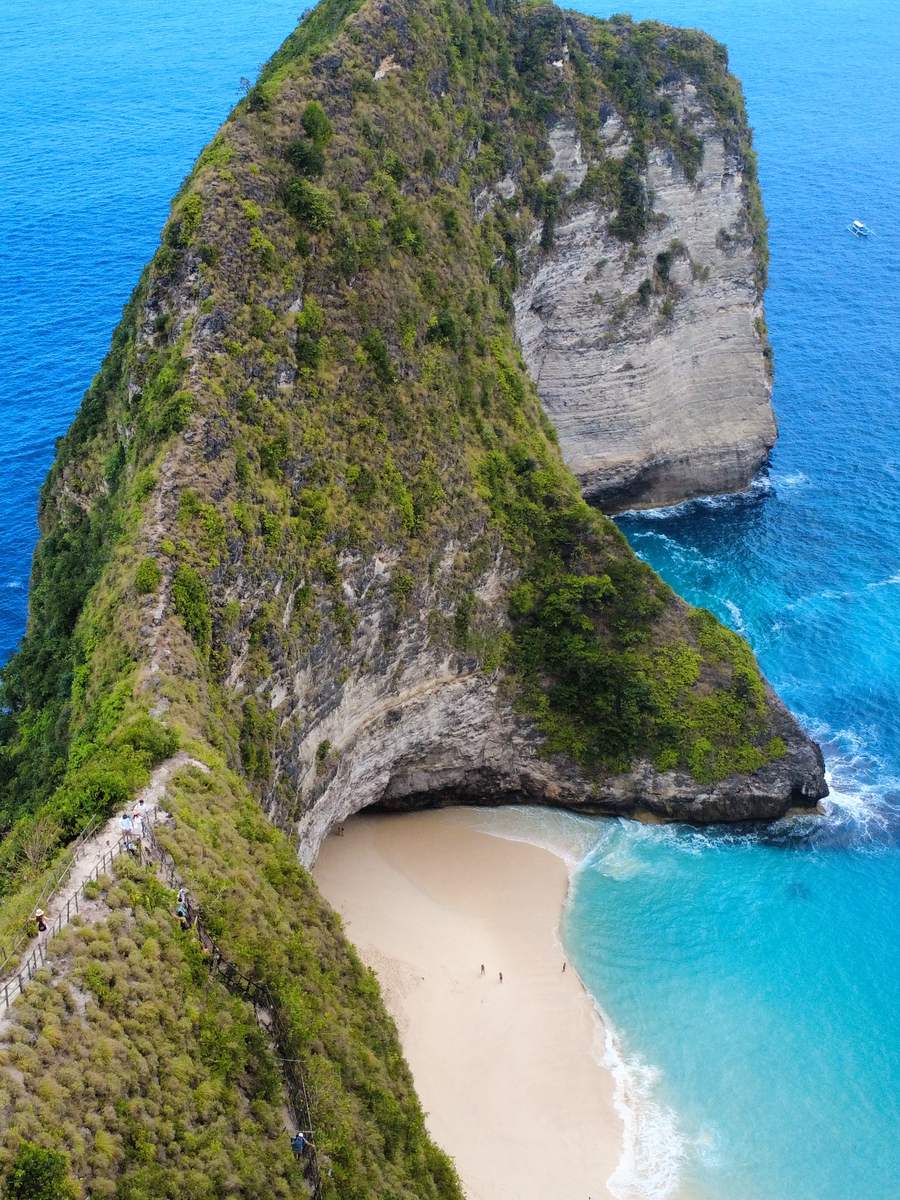
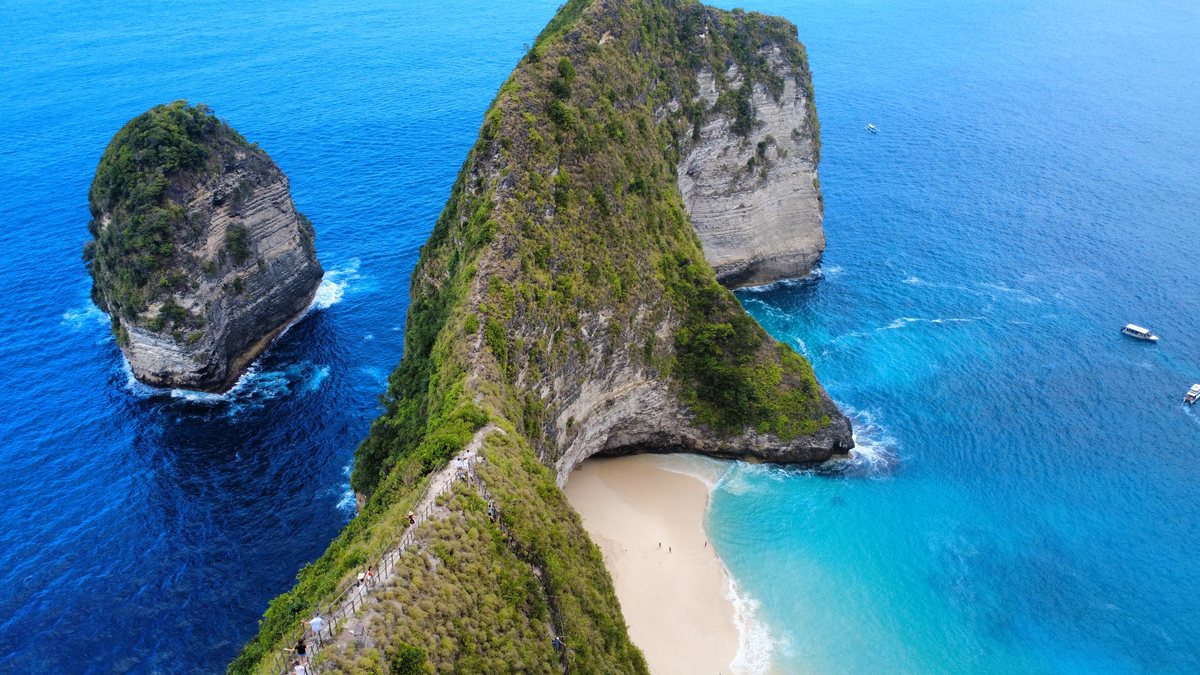
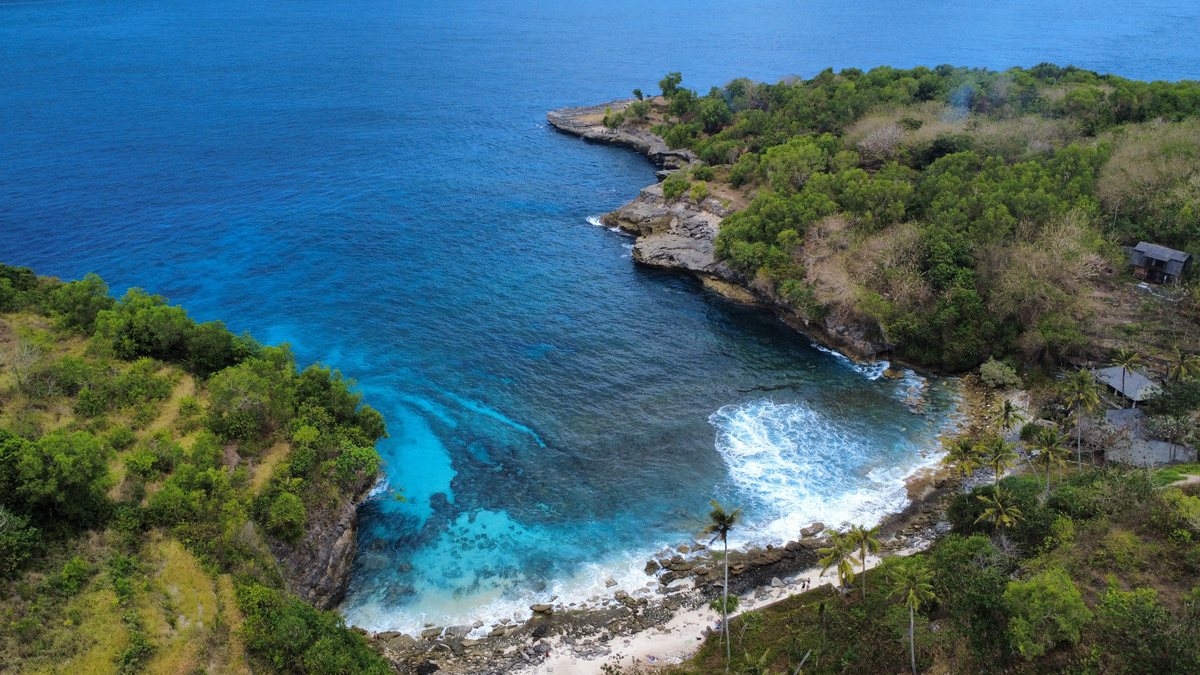
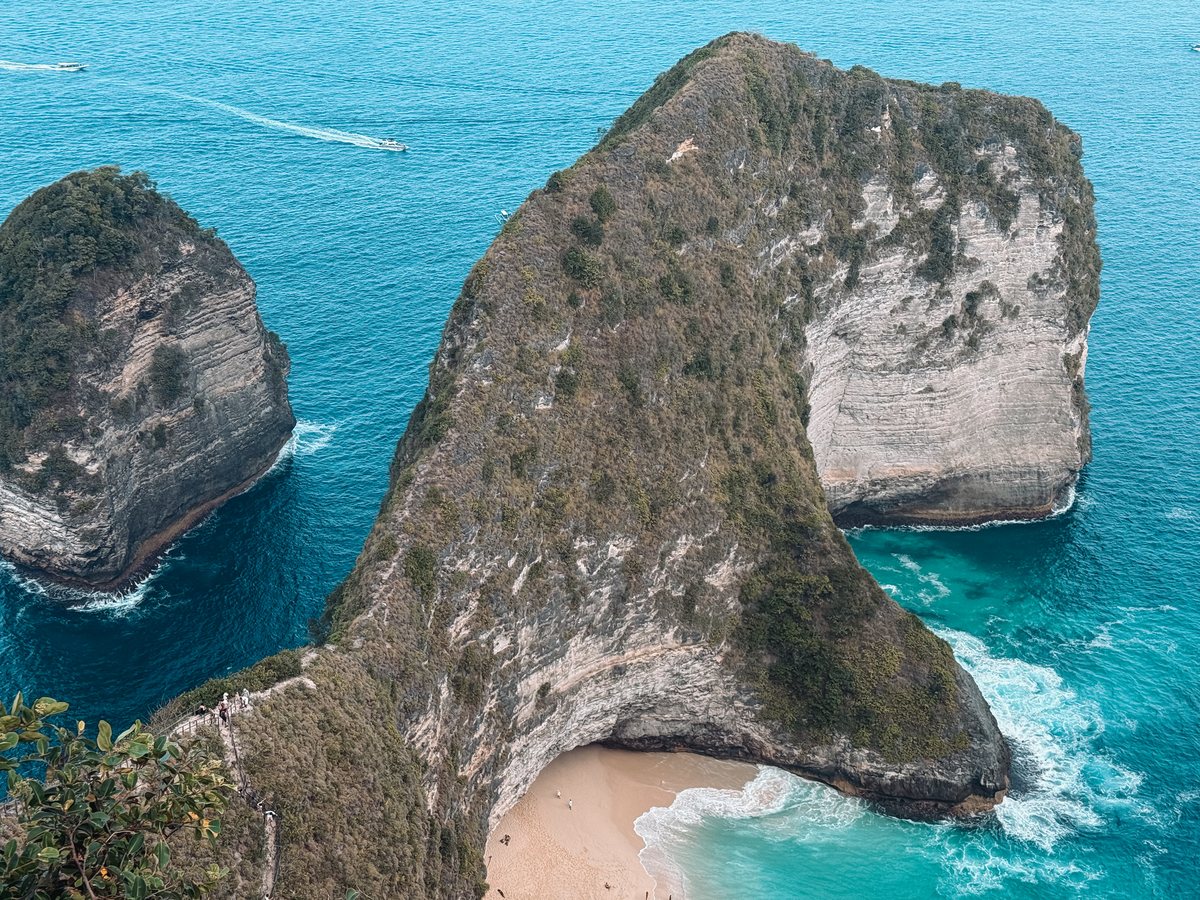
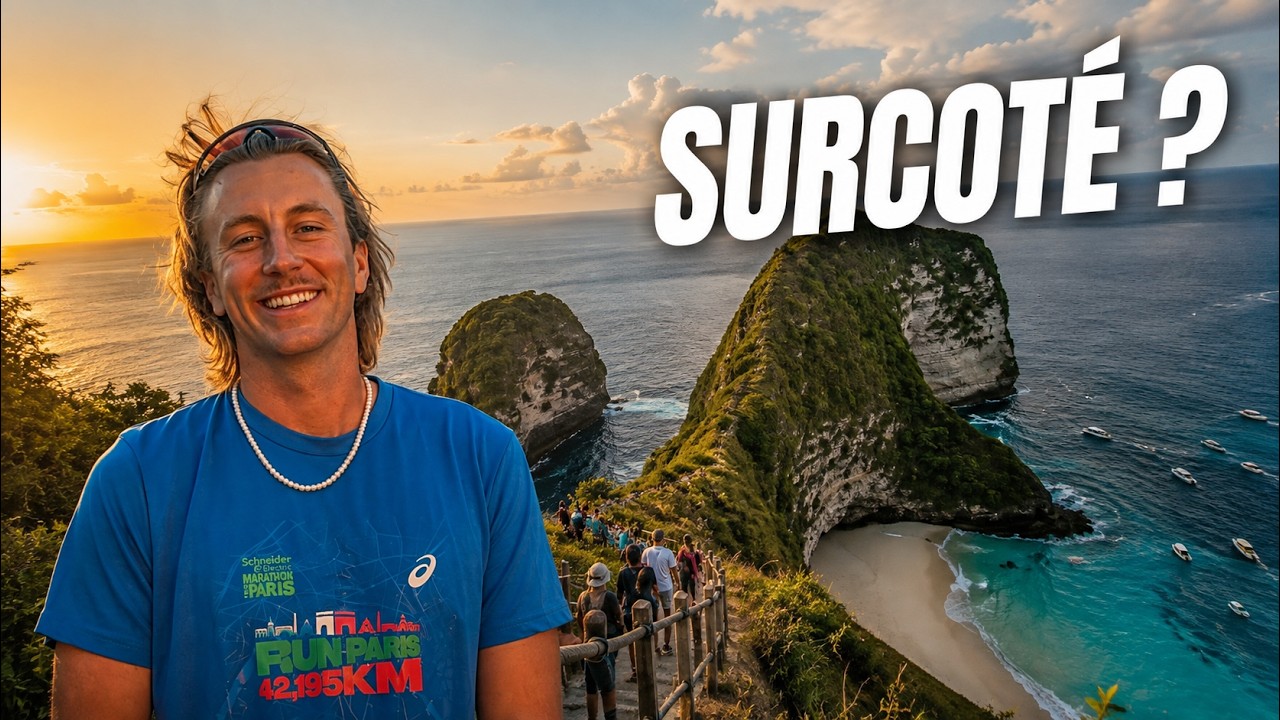
Nusa Penida, the big sister, is reached by boat from Lembongan. That is where you find Kelingking Beach, the dinosaur head shaped cliff everyone has already seen in photos. The way down to the sand is steep and long, and the way back up even more so.

Amed
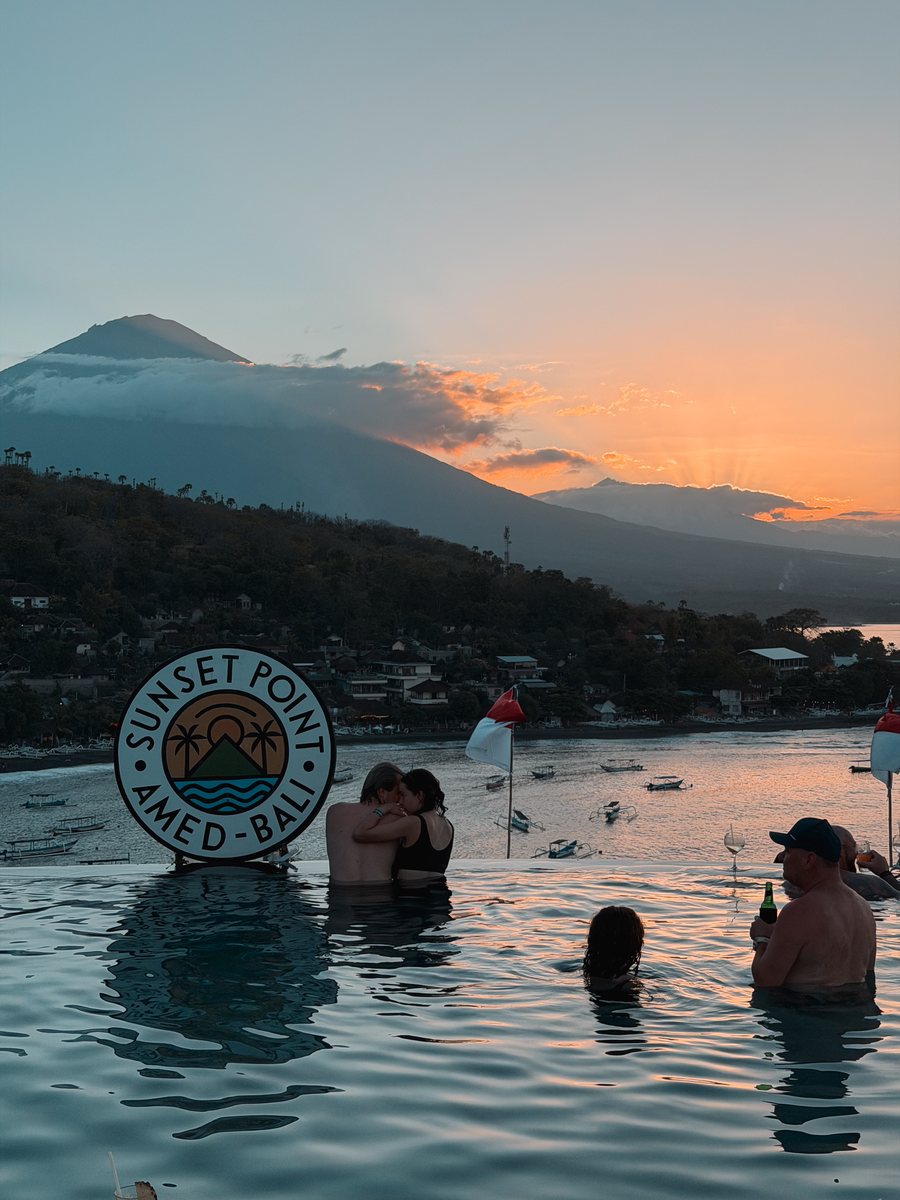
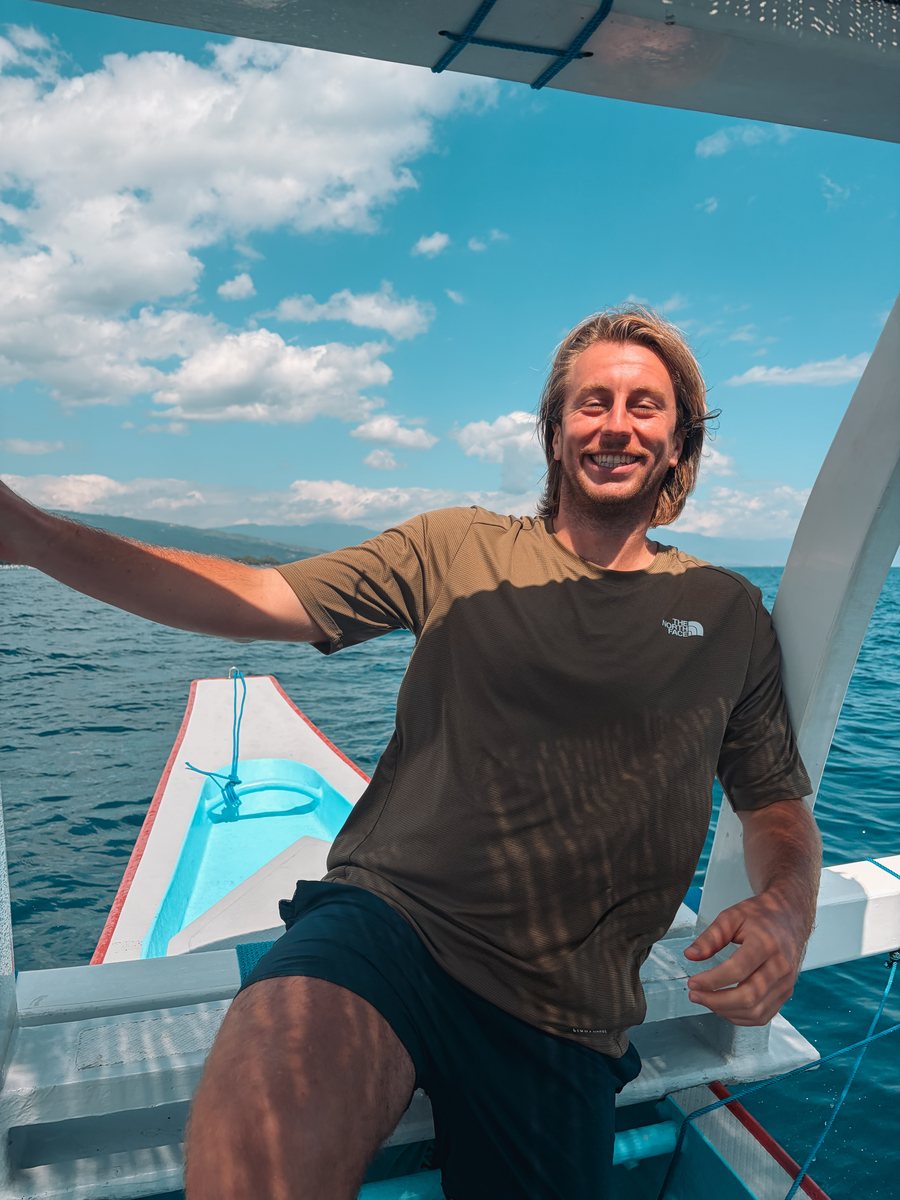
Back on the main island, on the east coast. A string of fishing villages, black sand beaches and colourful boats lined up.
This is the snorkelling and diving area. The Liberty wreck, in Tulamben, is right next door and can be explored from the beach.

Lovina
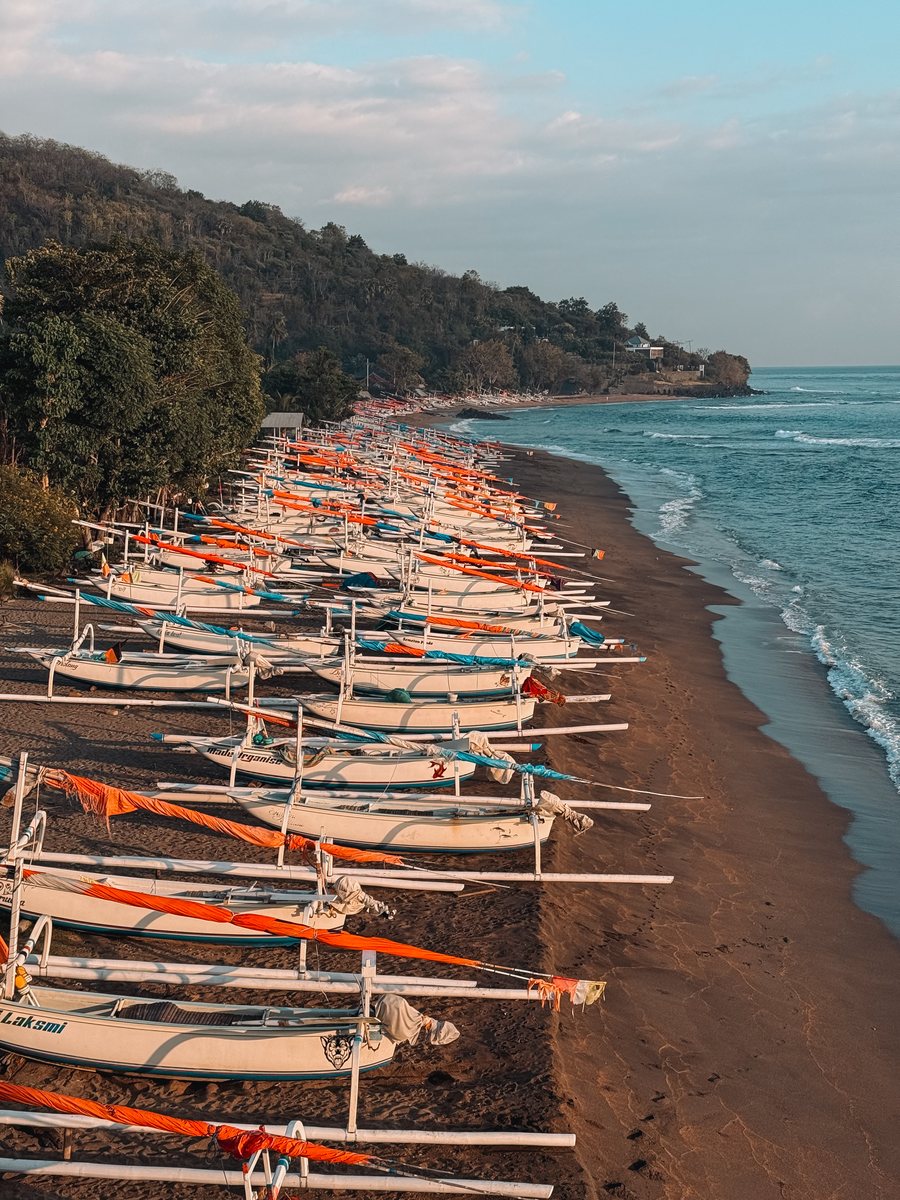
North coast, black sand, calm sea. The pace changes completely, you leave postcard Bali behind.
This is where the dolphin trips leave from, at sunrise.

Munduk
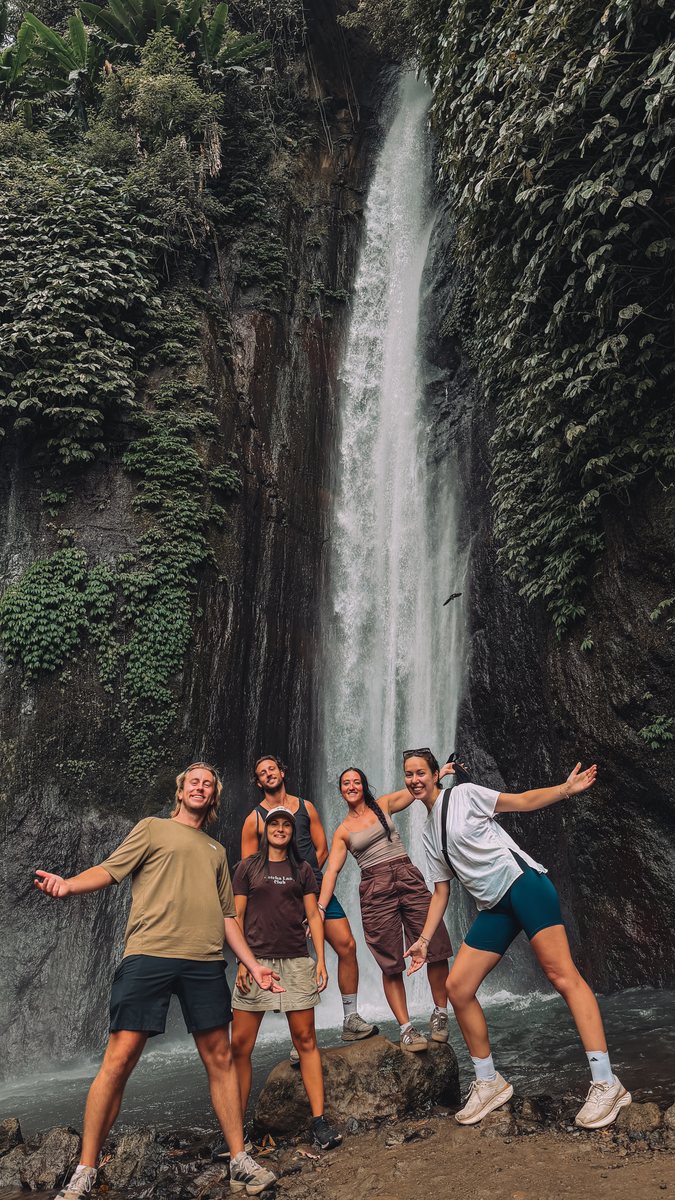
The northern mountains, between lakes Buyan and Tamblingan. Coffee plantations, waterfalls and jungle trails.
It is cooler and rains more often than elsewhere. Bring a light layer for the evening.
Canggu
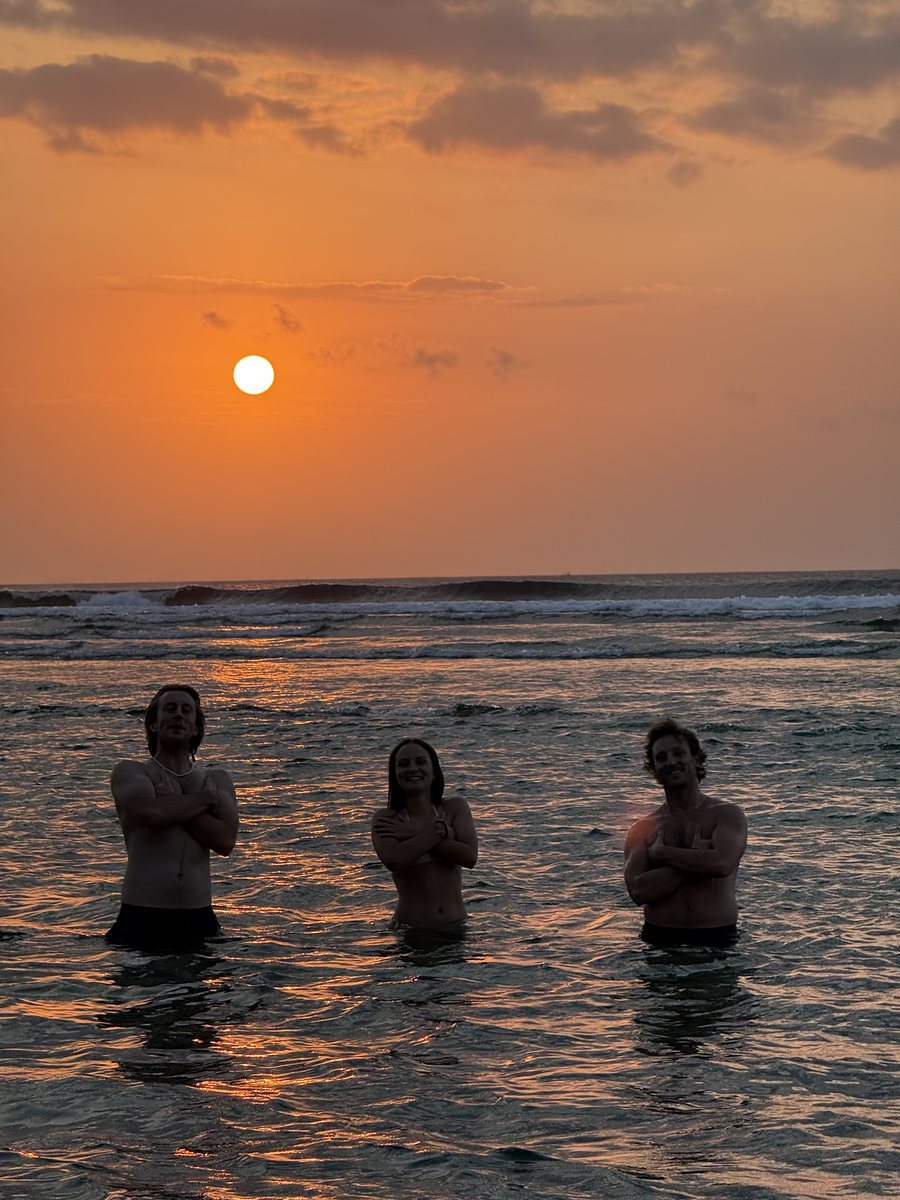
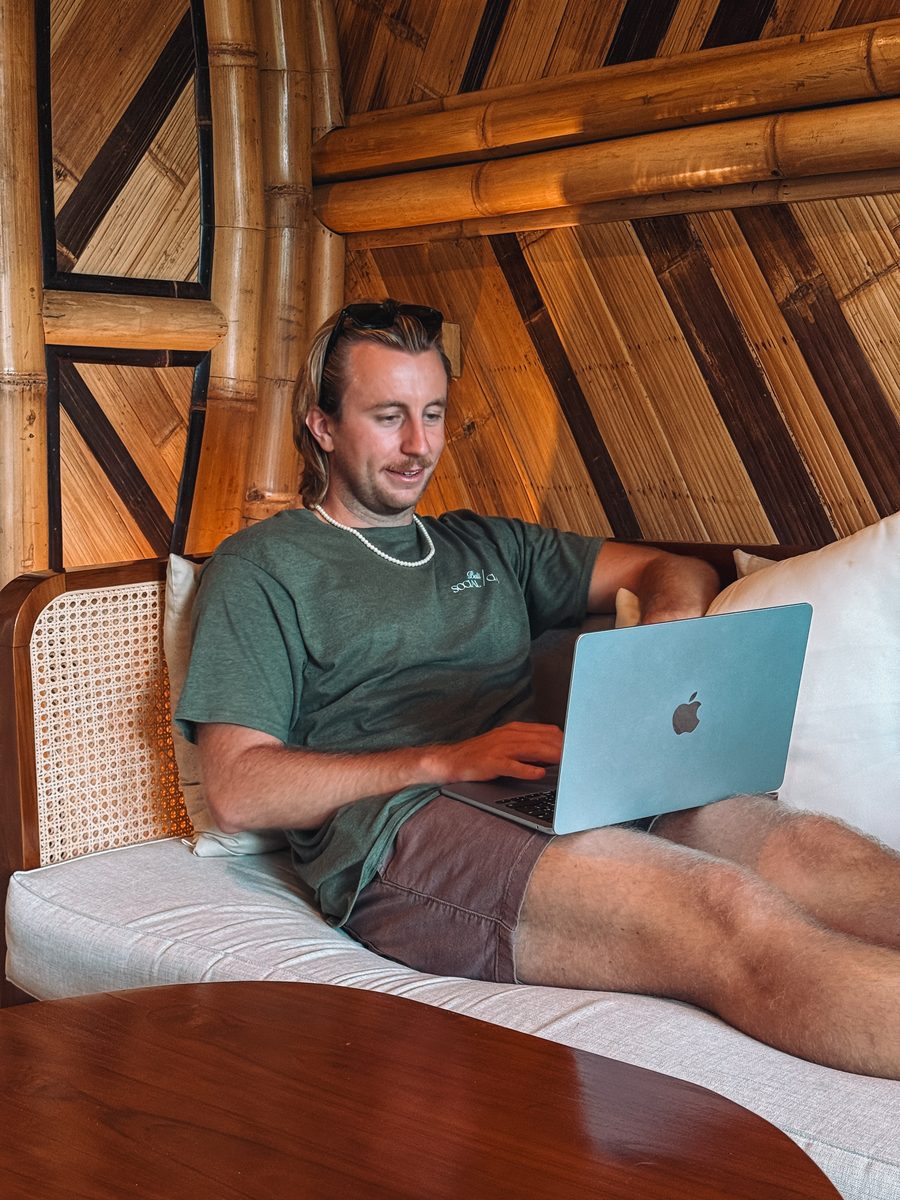
Back down to the south west coast. Surf, cafés, coworking spaces and a concentration of creators and nomads that is hard to match.
It is the practical stop for working and catching up on editing, less for feeling far from home.



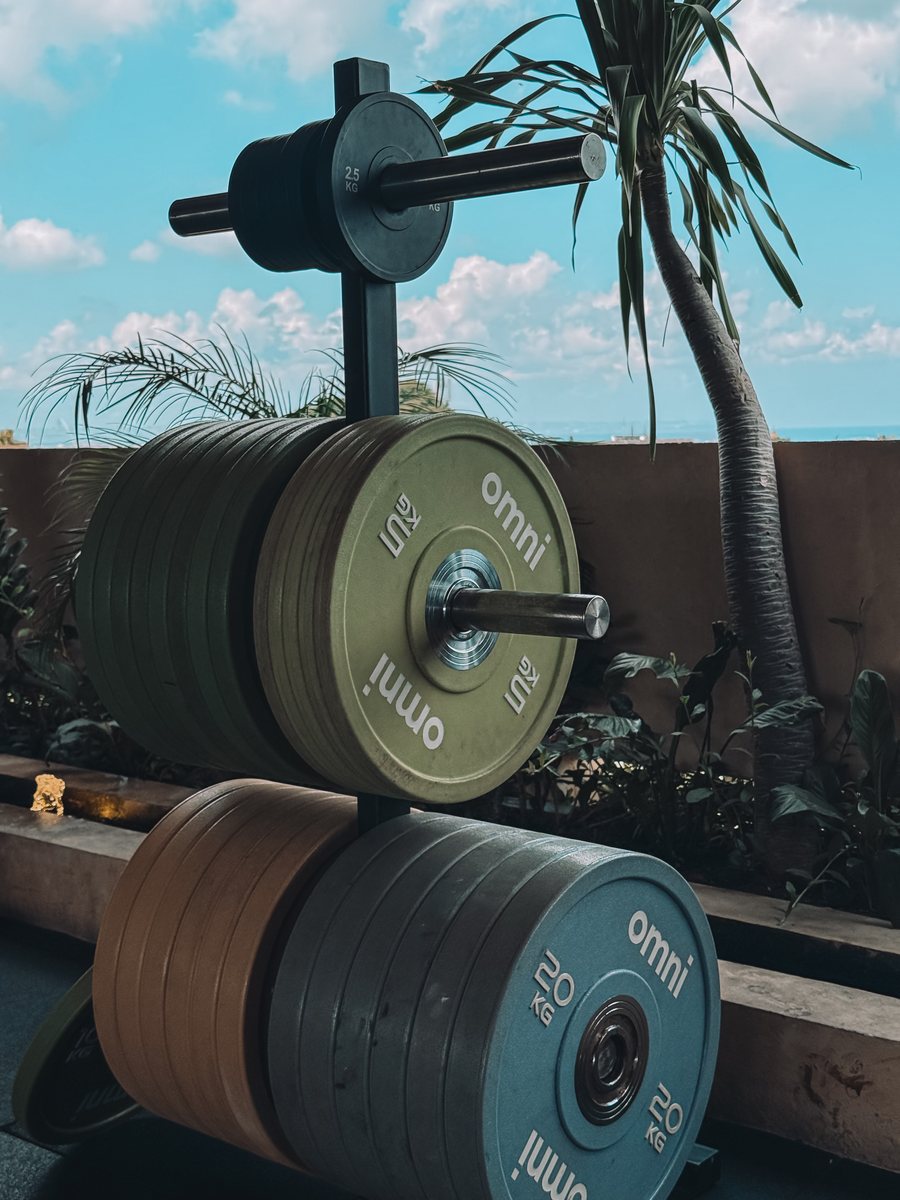
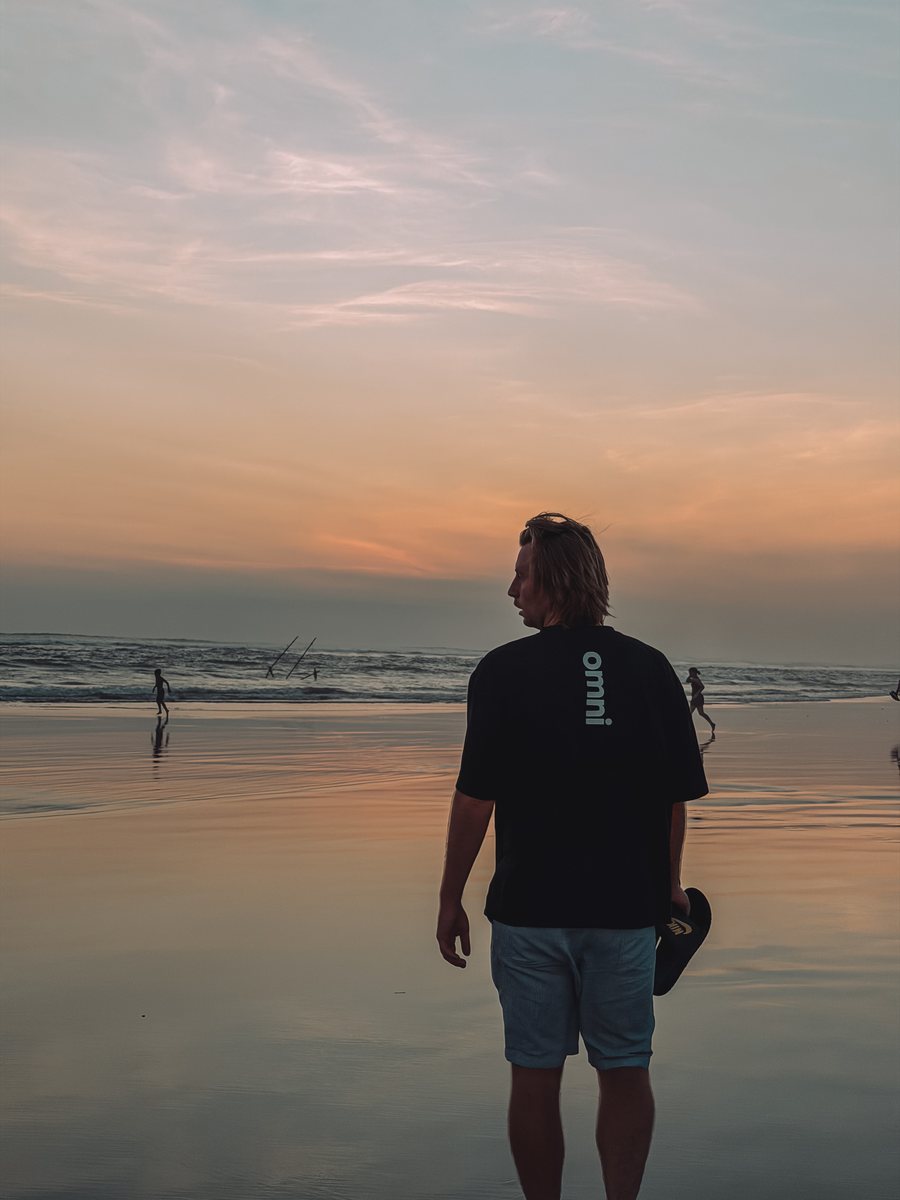
The area also has clubs that combine a gym, yoga classes and a garden to unwind between work sessions. Omni, buried in greenery, is one of them.
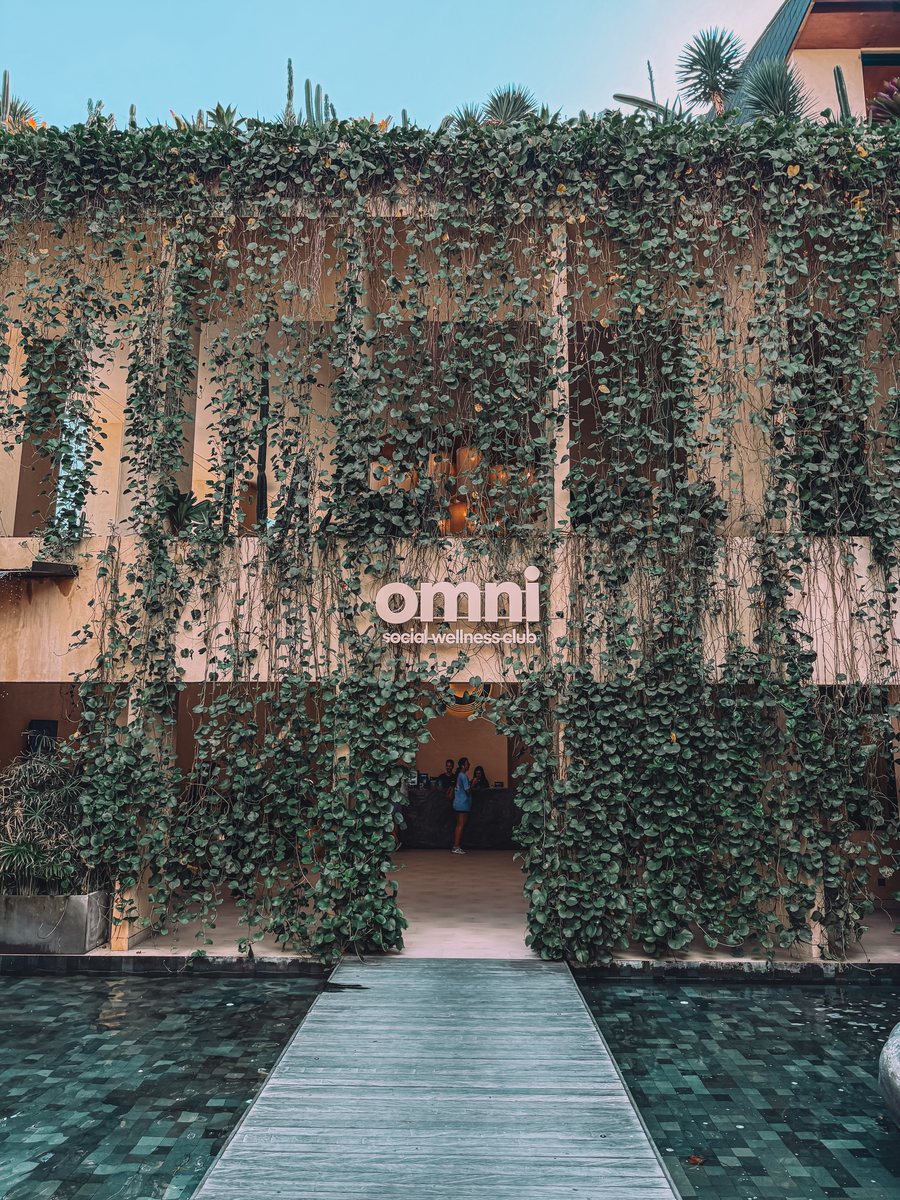
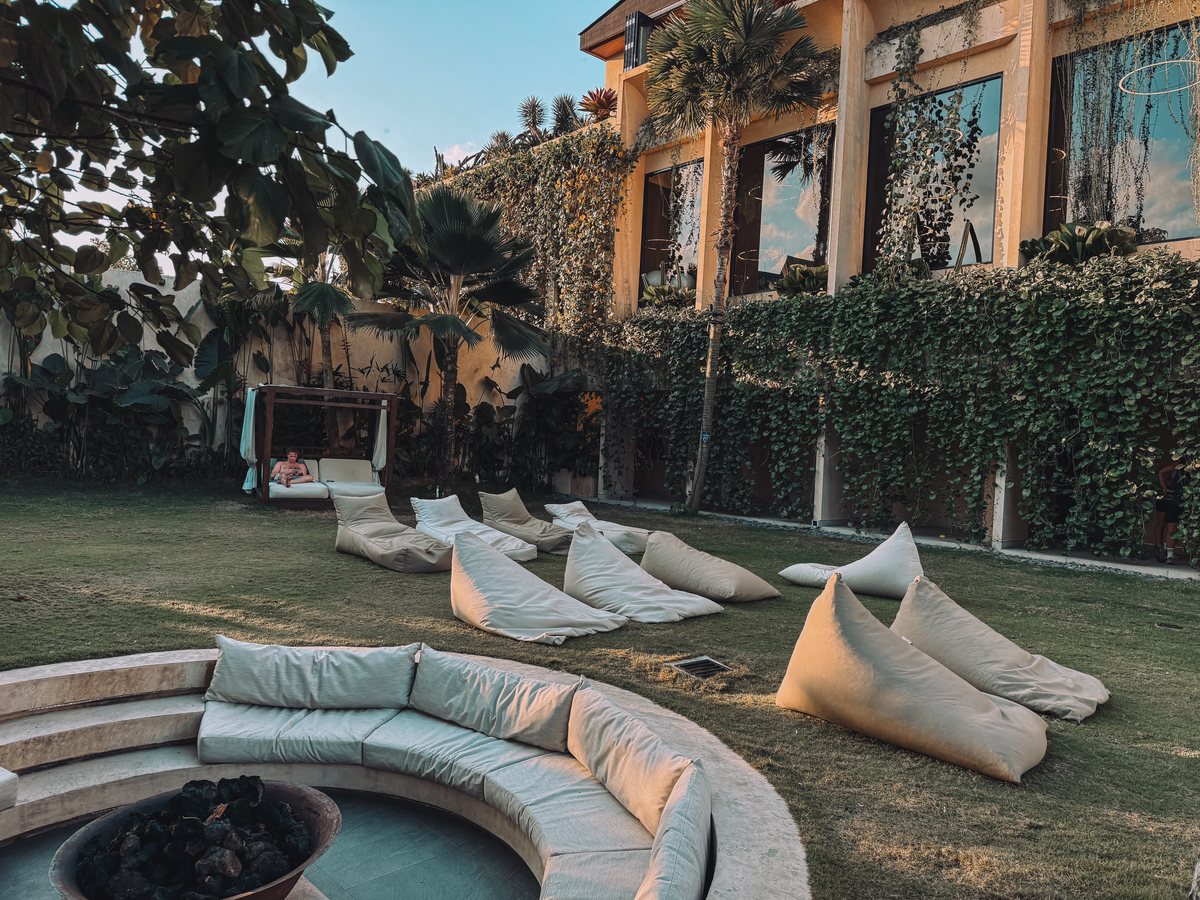
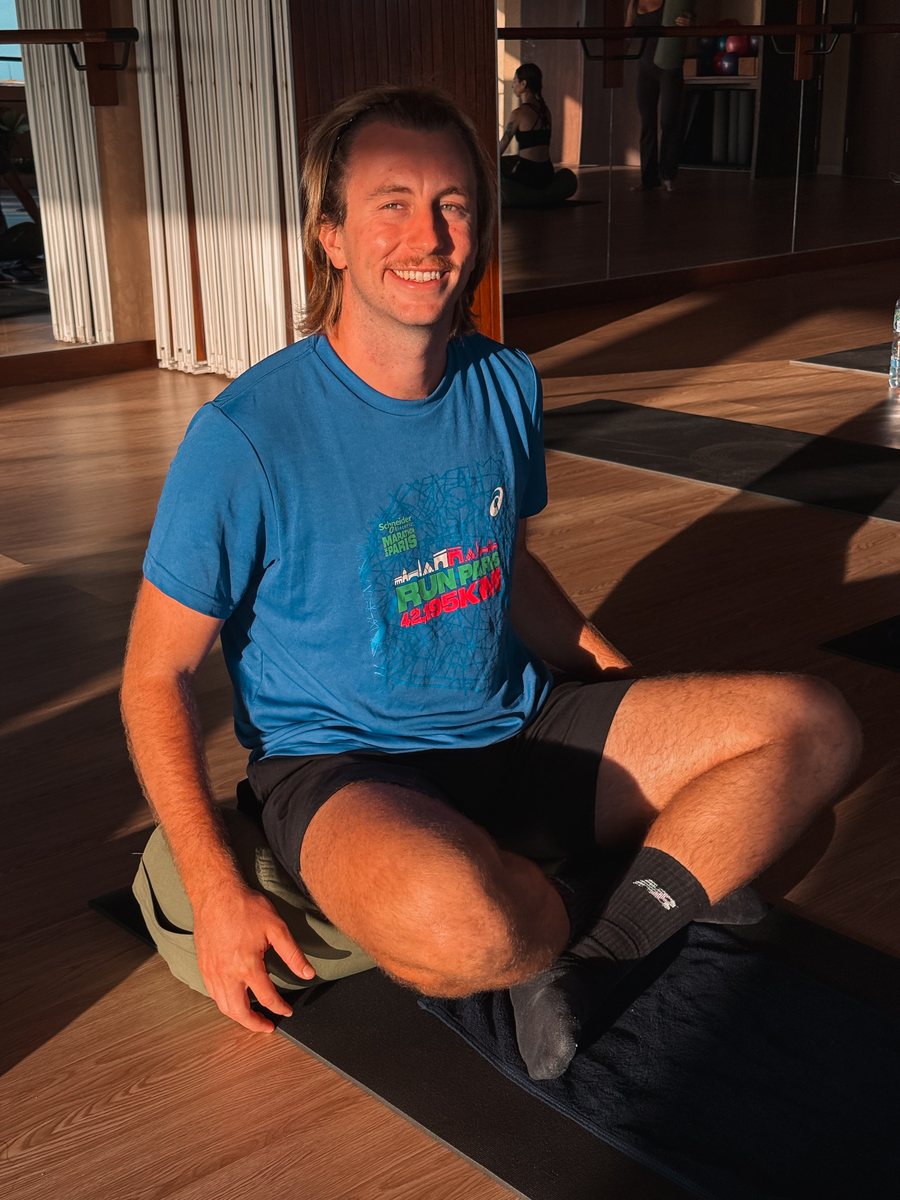
Budget thirty three euros for the day.
What we paid. 33 € for the day, with access to the whole gym except the coworking space. Packages and prices change, the most reliable thing is to check their Instagram account before you go.
It is not cheap for Bali, but the equipment matches a high end European gym. Other gyms on the island are worth a visit, I will document them on my next trip.
Ubud
The centre of the island, inland. Rice terraces, temples, a market and the monkey forest.
The centre is saturated at rush hour. As soon as you get a few kilometres away, the rice fields go quiet again.
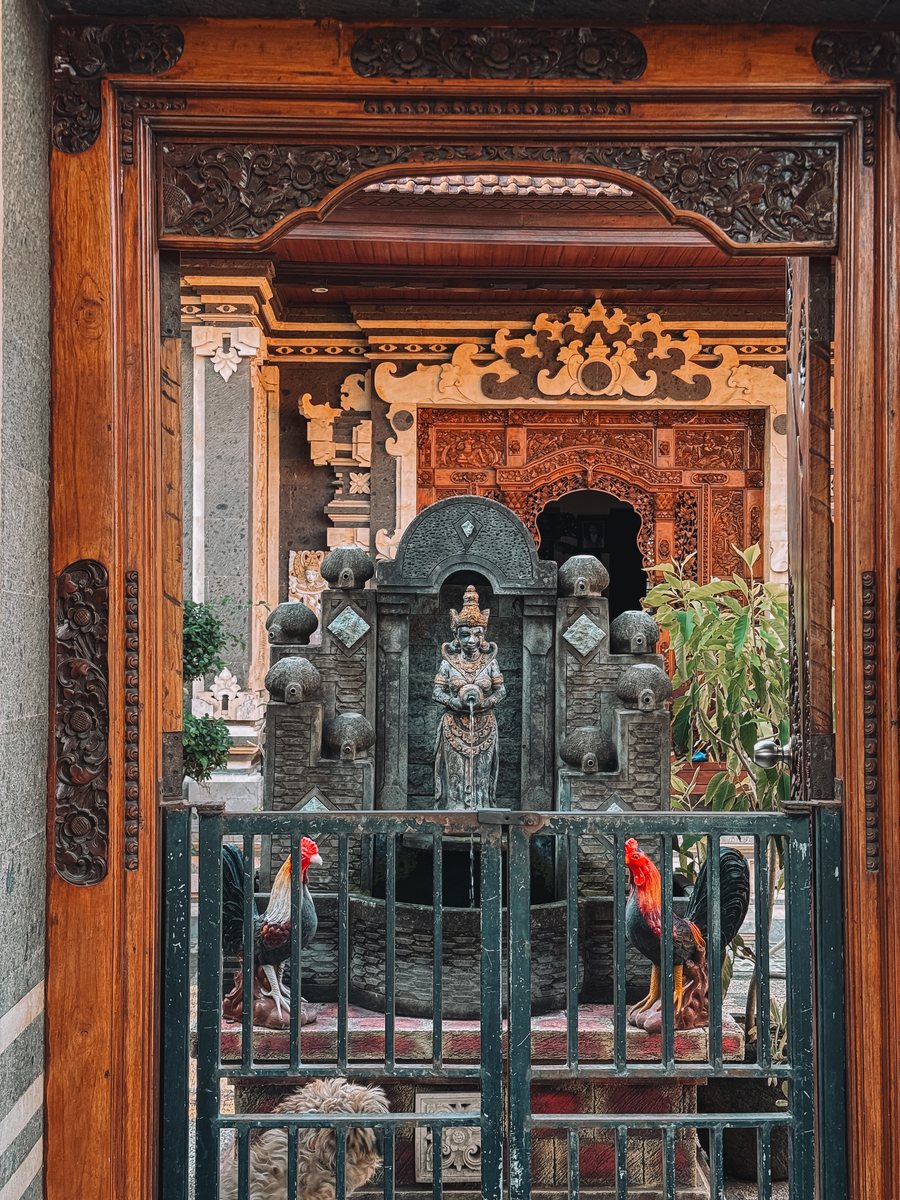
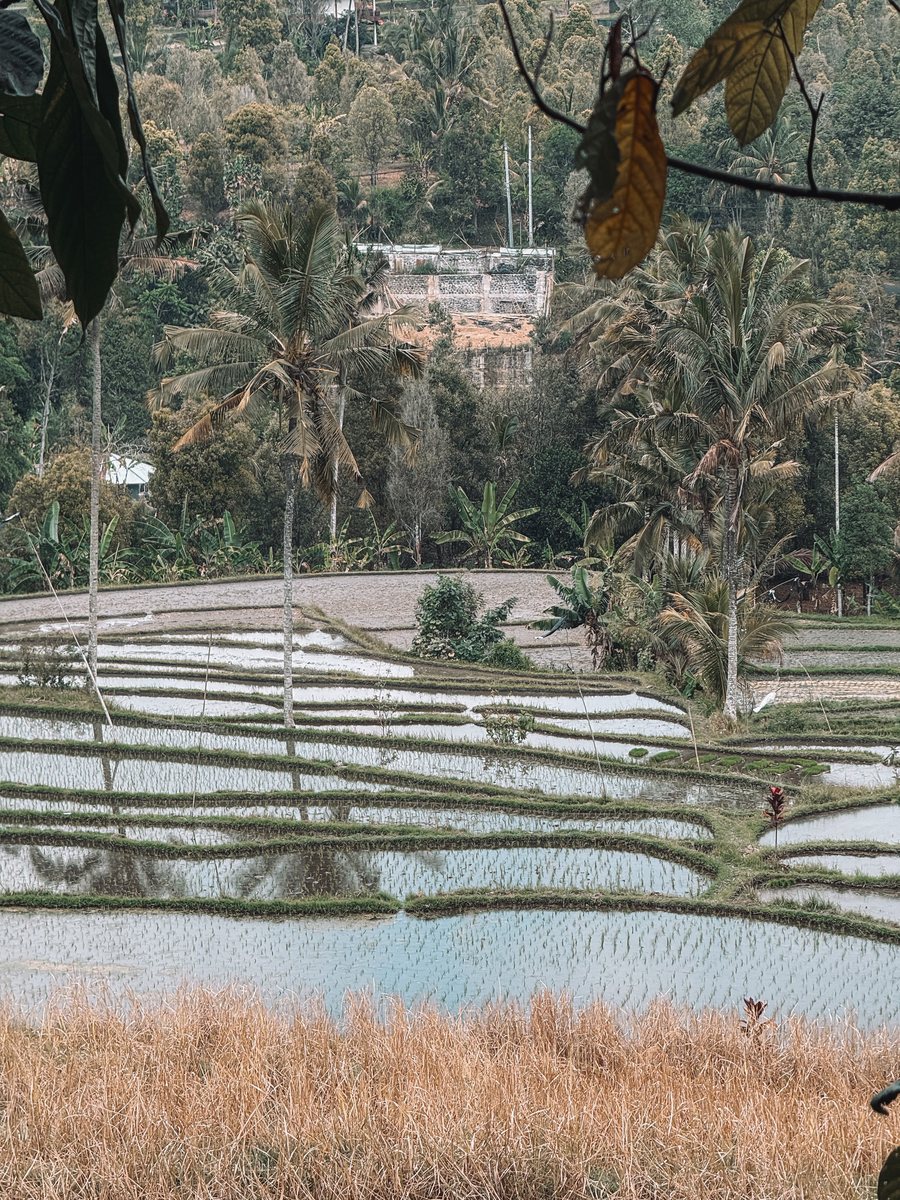
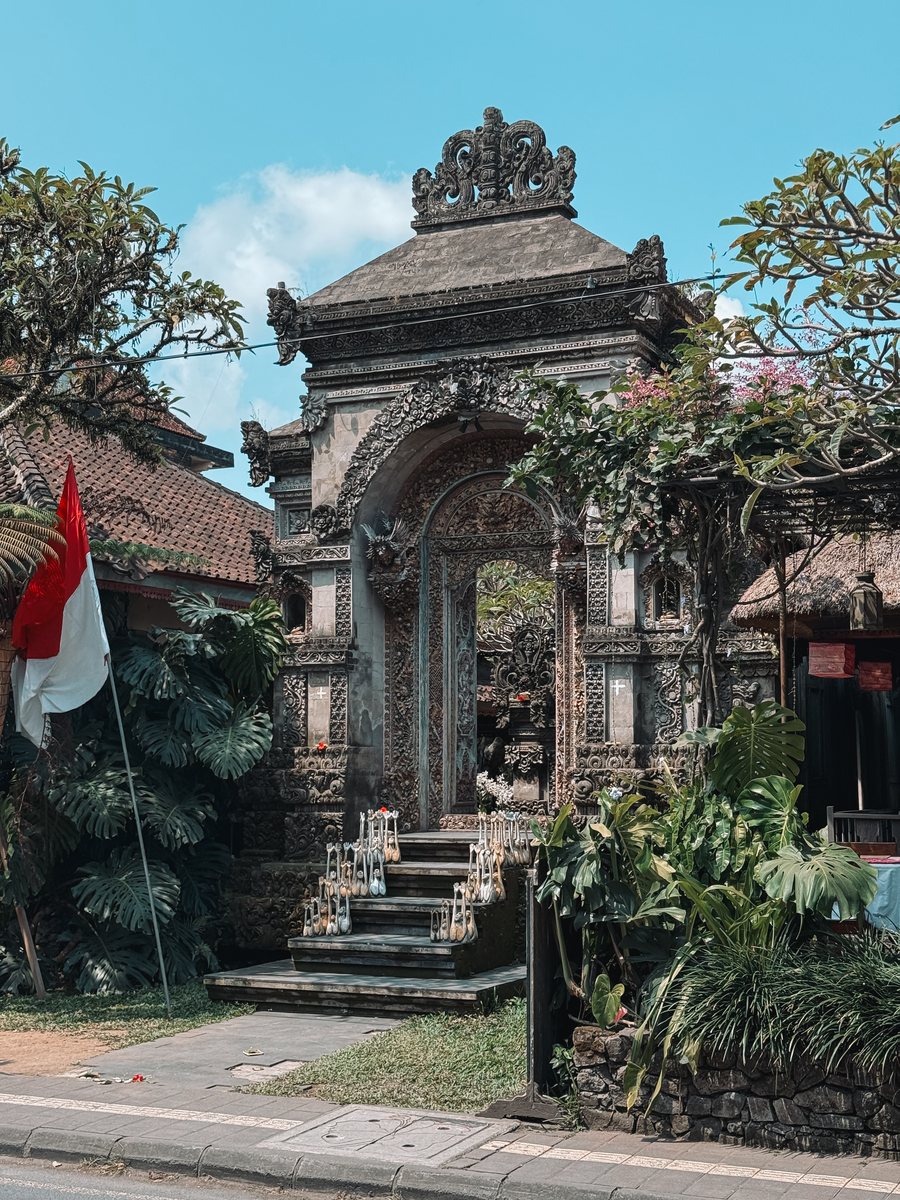
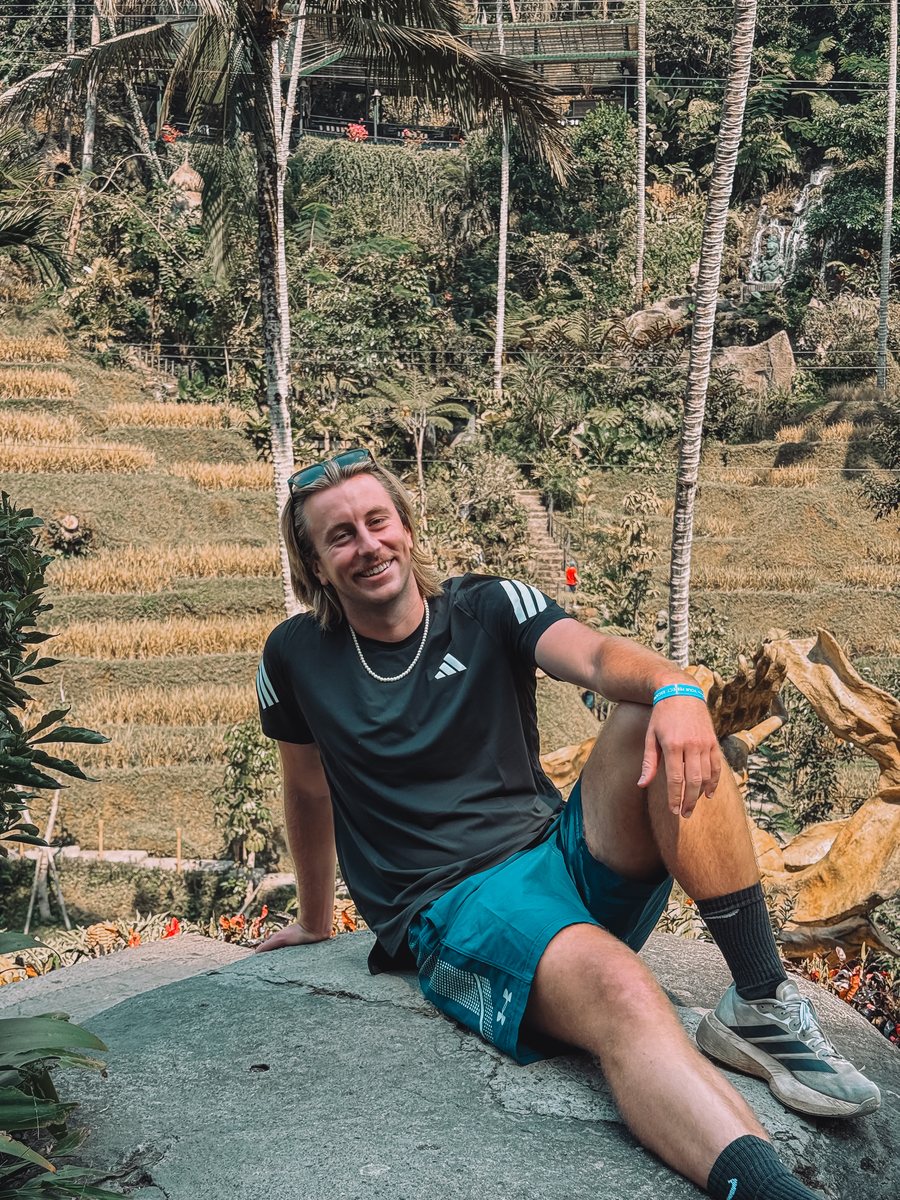
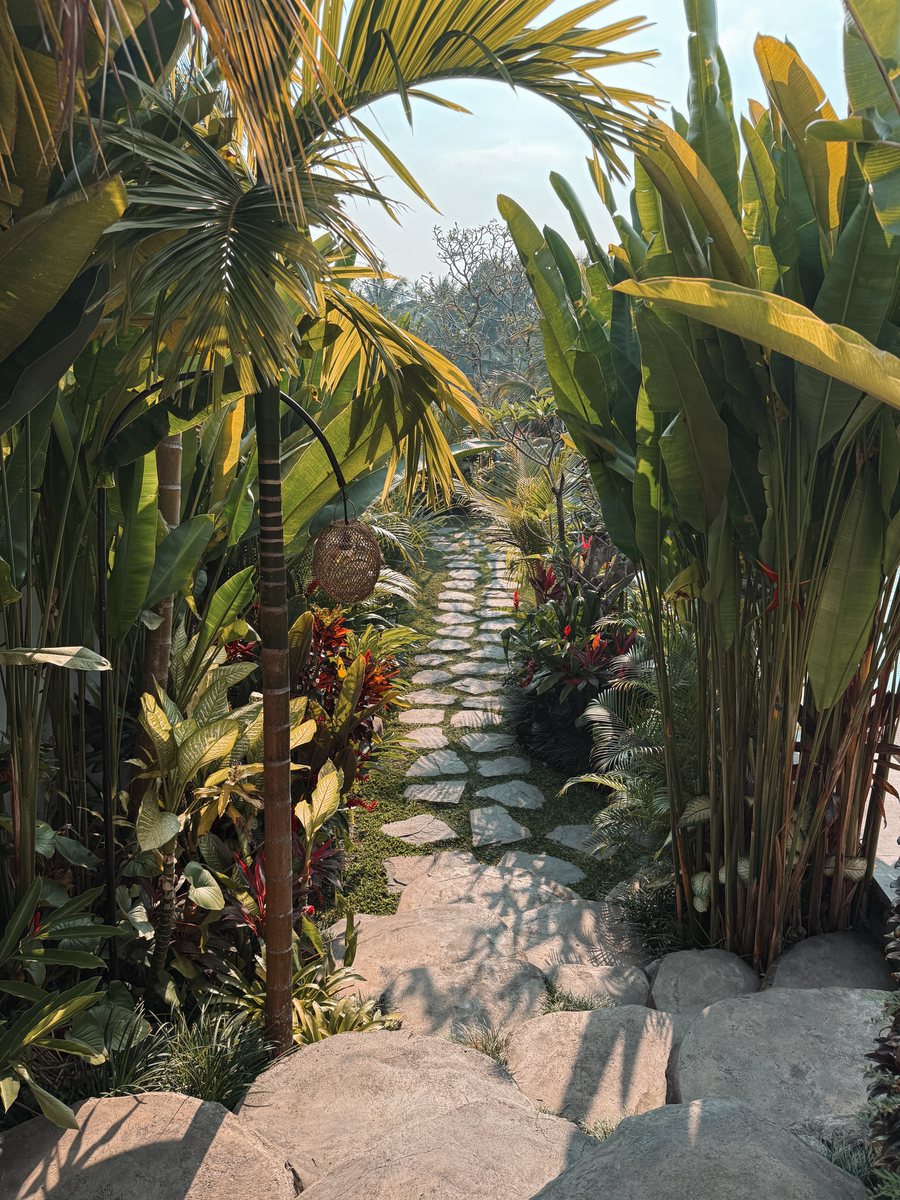
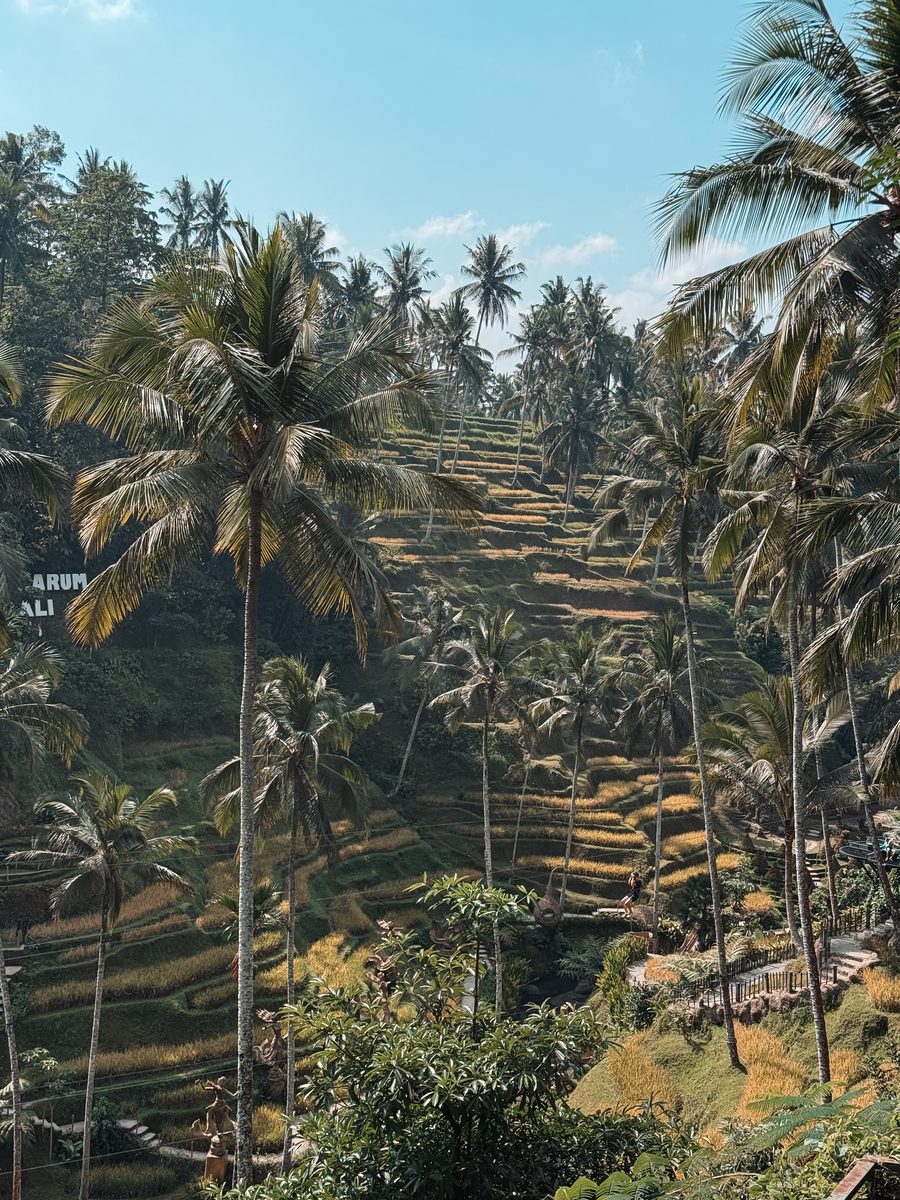
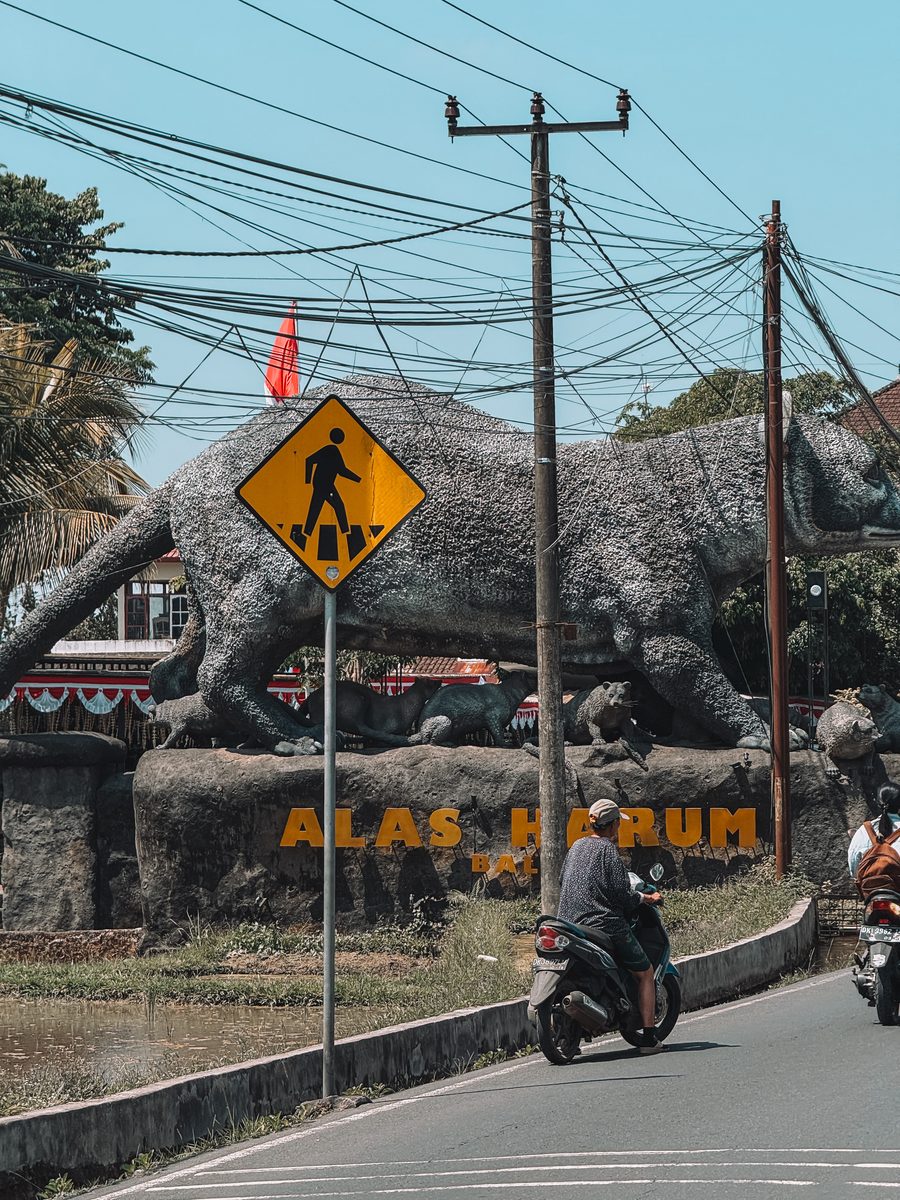
The Tegalalang rice terraces. At the end of the valley, these are the ones everyone pictures when you say Bali. Terraces stepping down over several levels, palm trees planted in them, and lots of people at peak times.
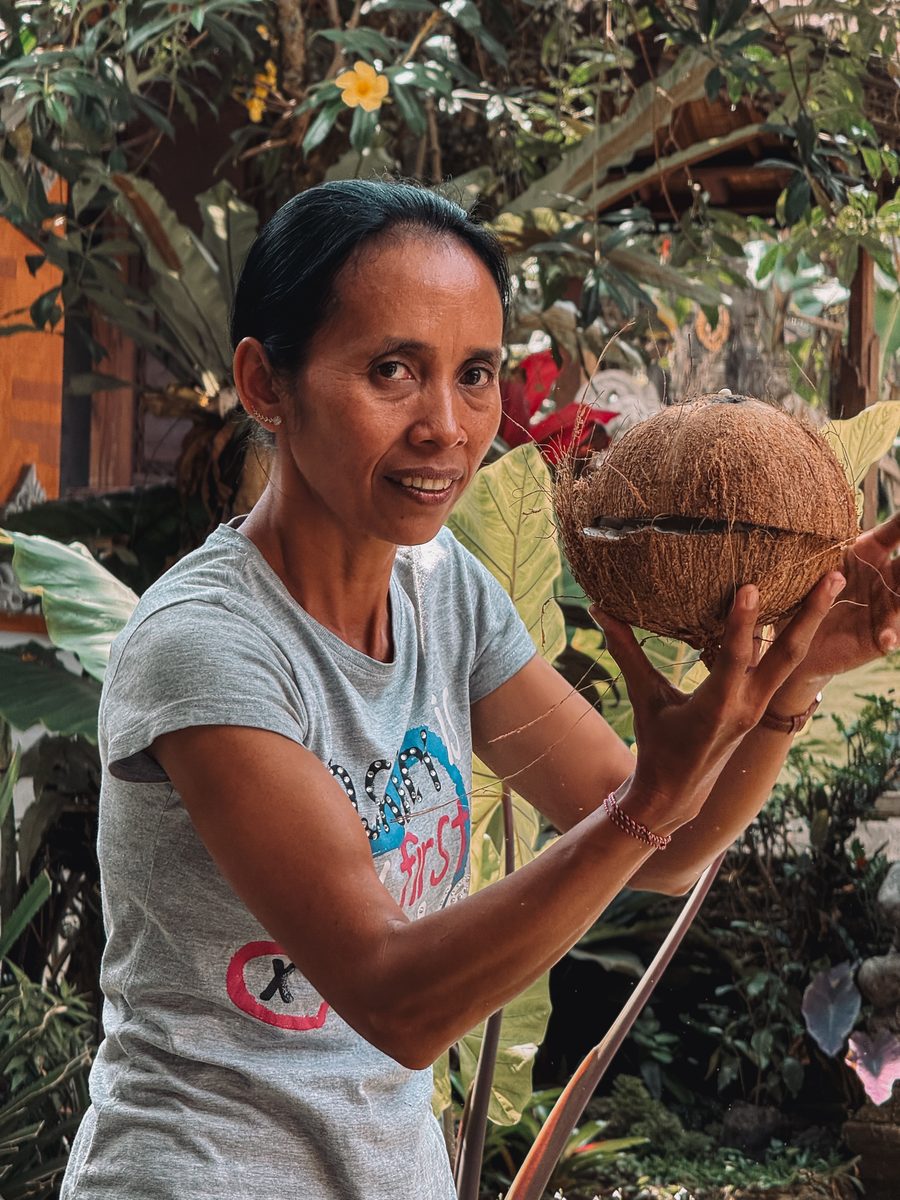
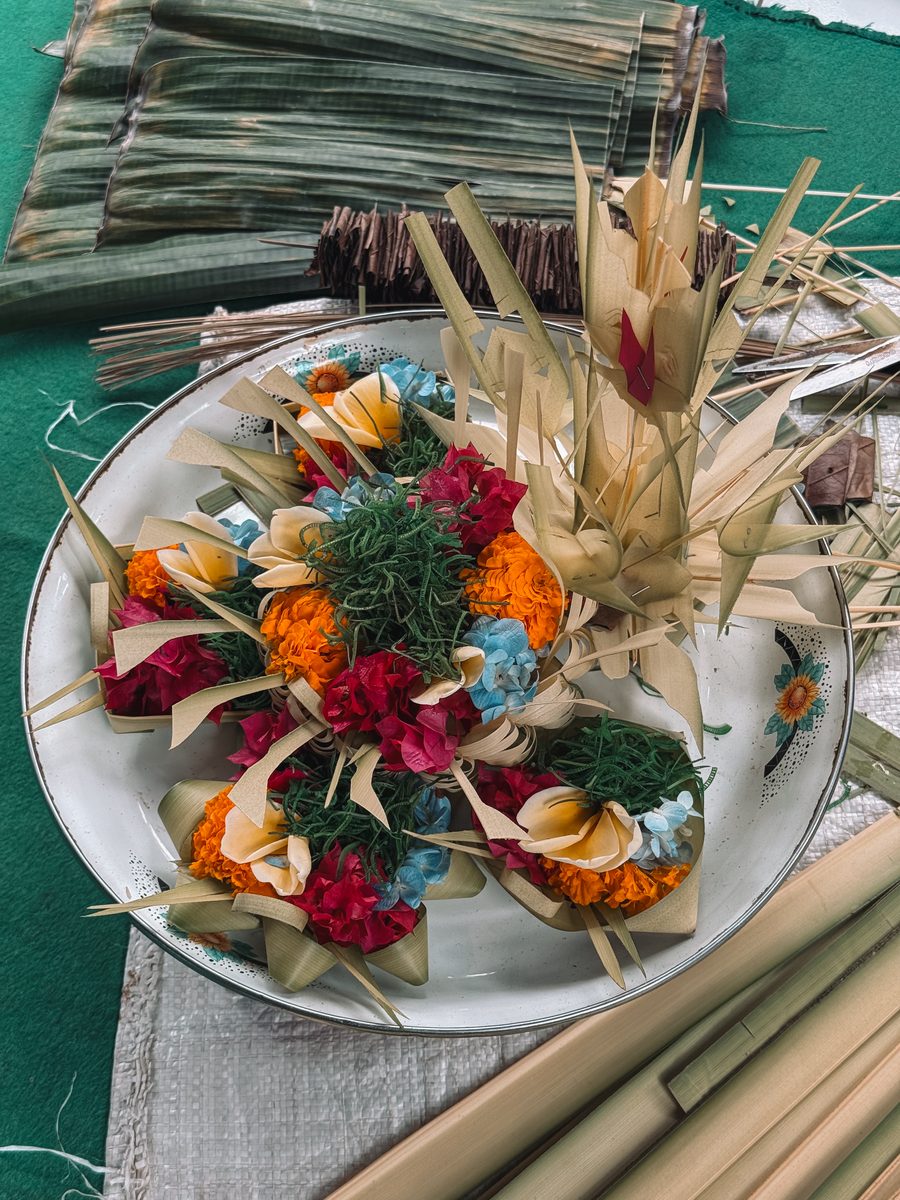
A day with Ganyar. We spent a whole day with a Balinese guide who speaks excellent French. On the programme: making coconut oil, learning how to prepare offerings, a walk through the rice fields and an explanation of how rice is grown.
If you want her contact, message me on Instagram and I will pass it on.
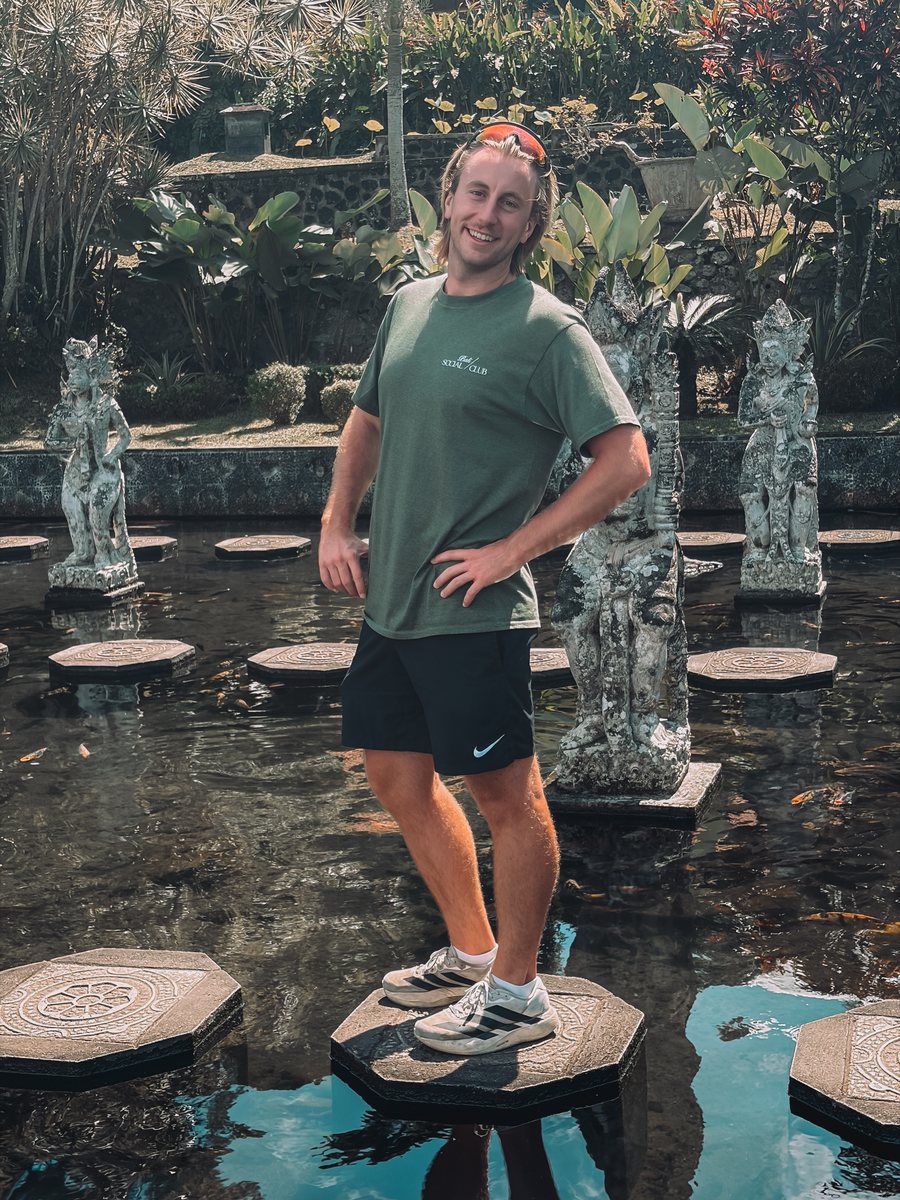
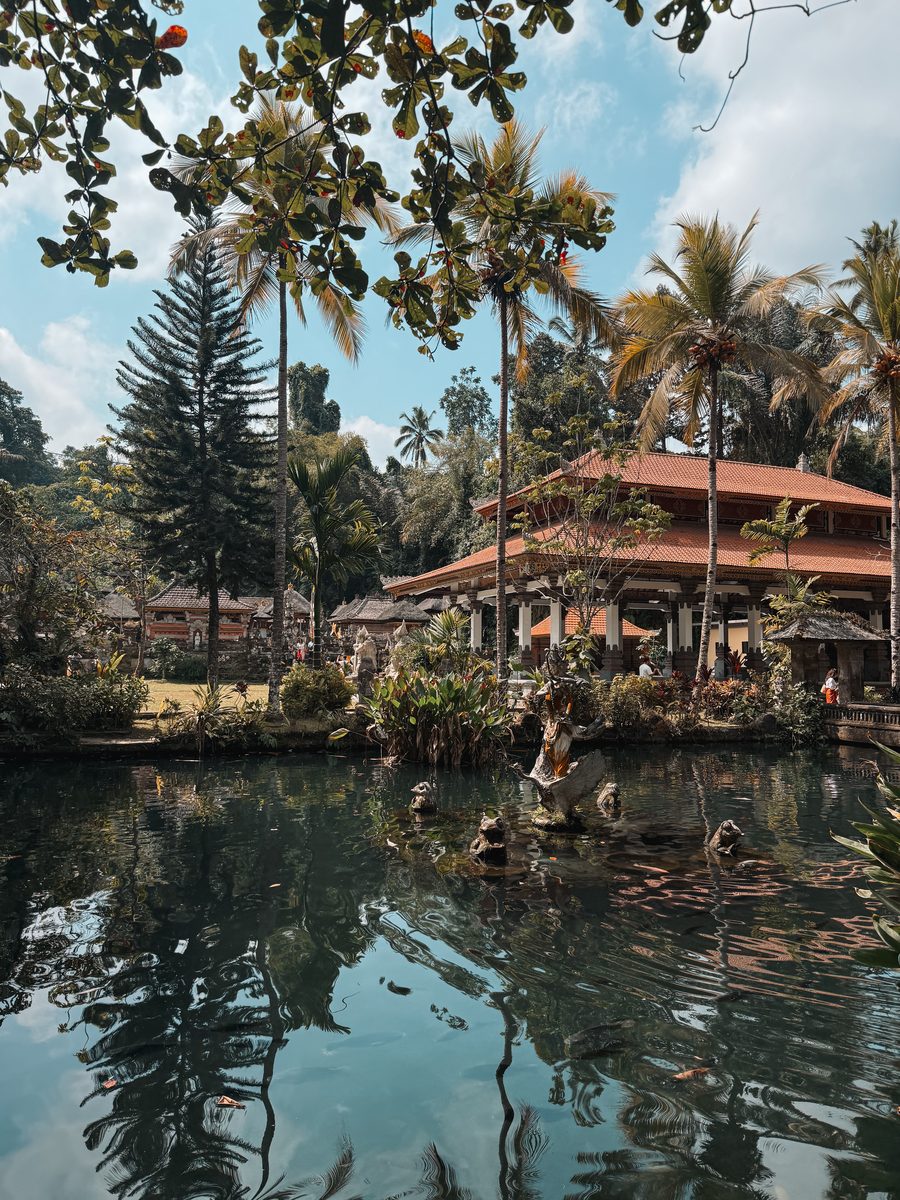
Pura Gunung Kawi Sebatu. A water temple in Ubud, with its pools and red roofed pavilions. Right next to it is Tirta Empul, the purification temple, much better known and much busier.
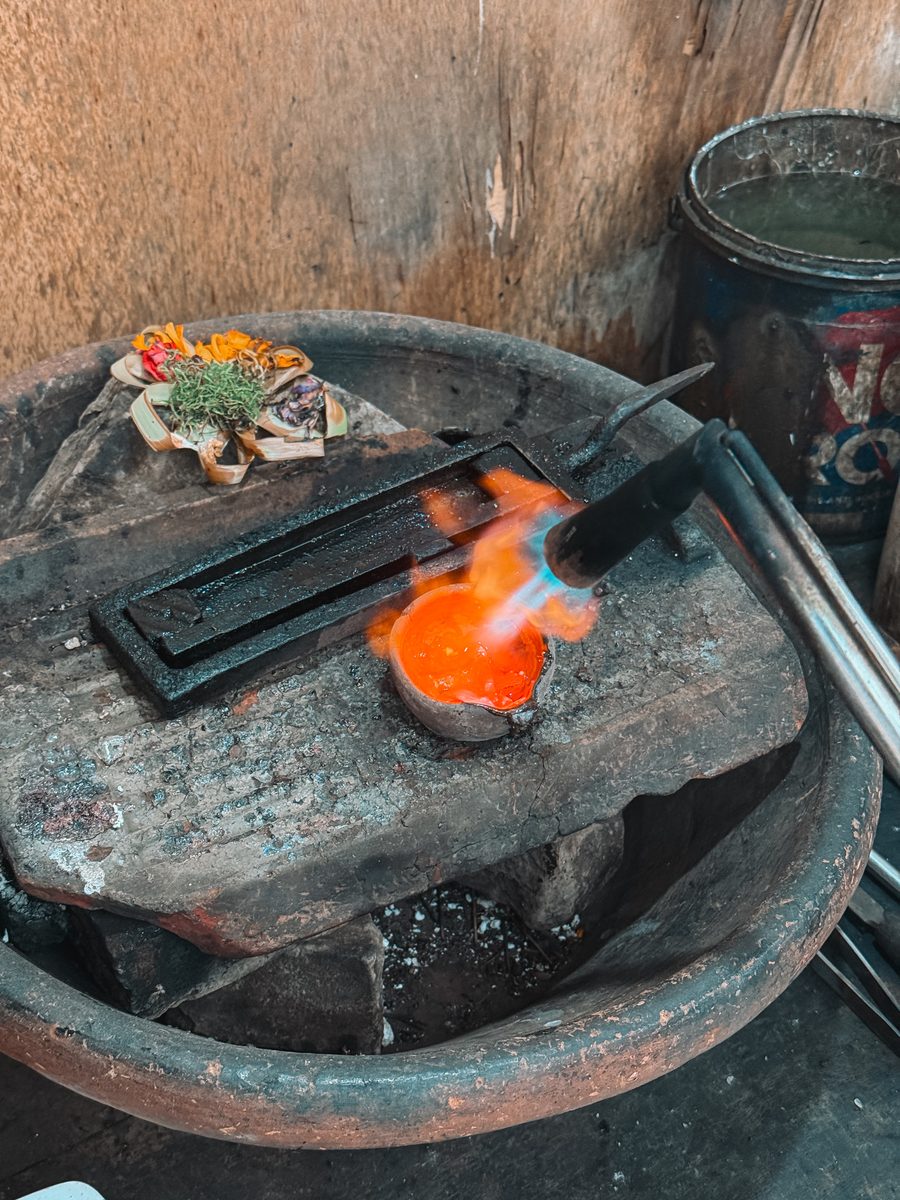
We made our own rings. In a silver workshop in Ubud, we made our own rings, from melting the metal to the finishing, every step ourselves. It is a popular activity in Ubud, and just as much in Sidemen if your itinerary goes that way.
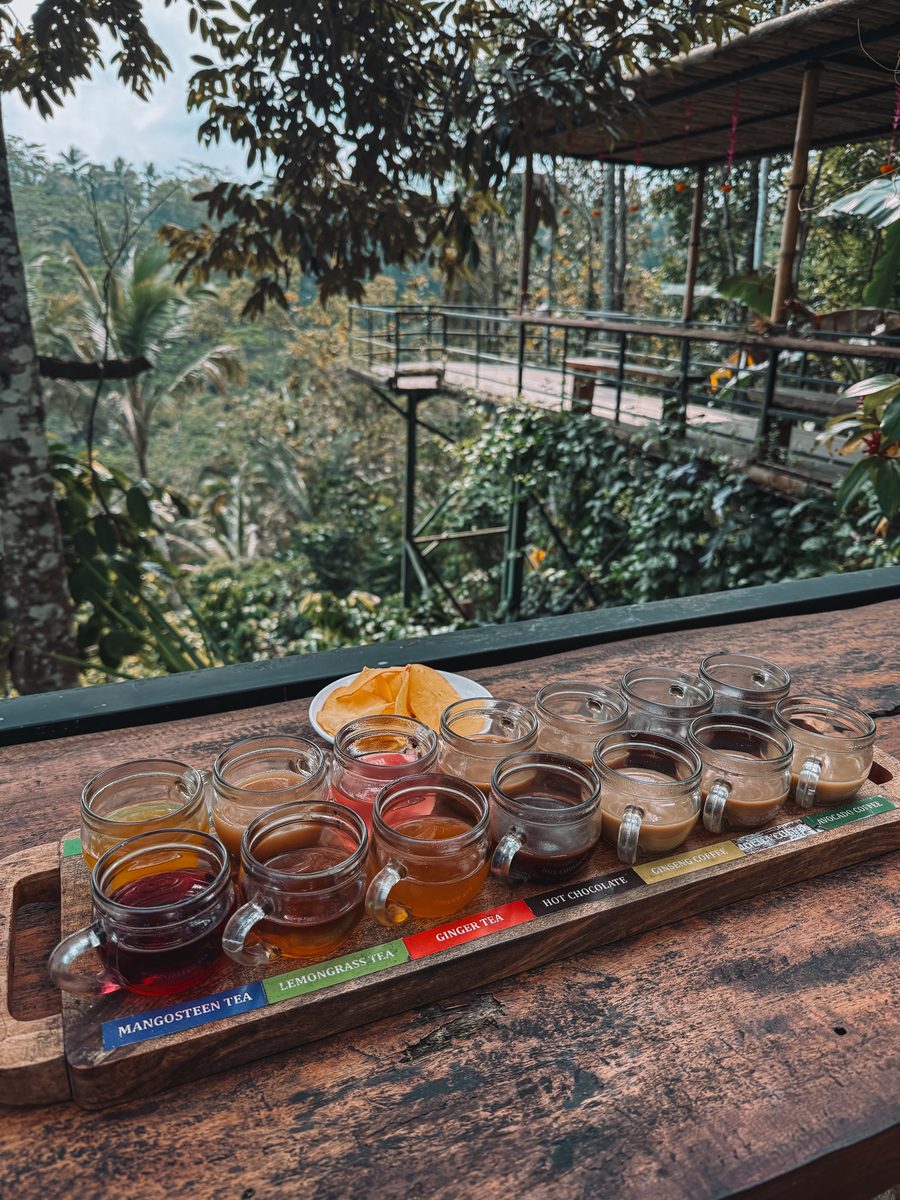
We also visited a coffee plantation, with the tea and coffee tasting that goes with it, and tried the famous luwak coffee.

Sidemen
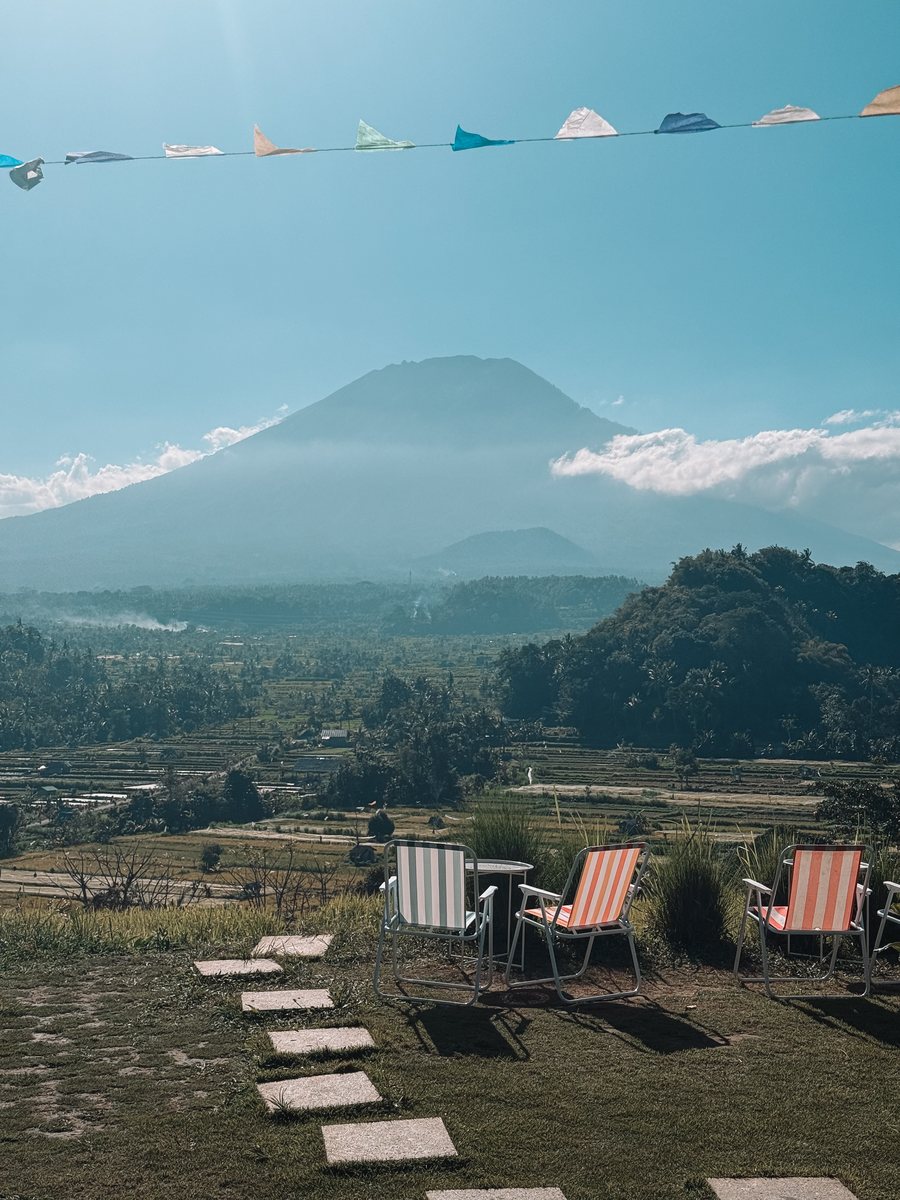
A valley in the east, at the foot of Mount Agung. Rice terraces, small roads and hardly anyone around.
It is the exact opposite of the first stop.
We spent the day between rice fields and waterfalls. Above all, we did the famous three kilometre walk through the terraces, the Sidemen rice terrace, with a lovely café on the way, Panorama Sidemen.
Our plan, night by night.
Two nights in Seminyak, then a Grab to Uluwatu. Four nights in Uluwatu, then a Grab to Sanur and a 45 minute fast boat to Nusa Lembongan.
Four nights on Nusa Lembongan, then a one hour ferry to Padang Bai and a Grab to Amed, 500,000 rupiah for a six seat car.
Four nights in Amed, then a private driver to Lovina. Three nights in Lovina, including a day trip to Munduk by scooter. Then a Gojek driver to Canggu, 700,000 rupiah.
Seven nights in Canggu, the longest stop. A private driver to Ubud, four nights. A driver to Sidemen, three nights, including one at the Bamboo House. And two nights in Kuta to finish.
The logic of the route: you go down to the south first, cross to the island opposite, come back up via the east and the north, and head back down through the centre. No pointless back and forth.
Getting around
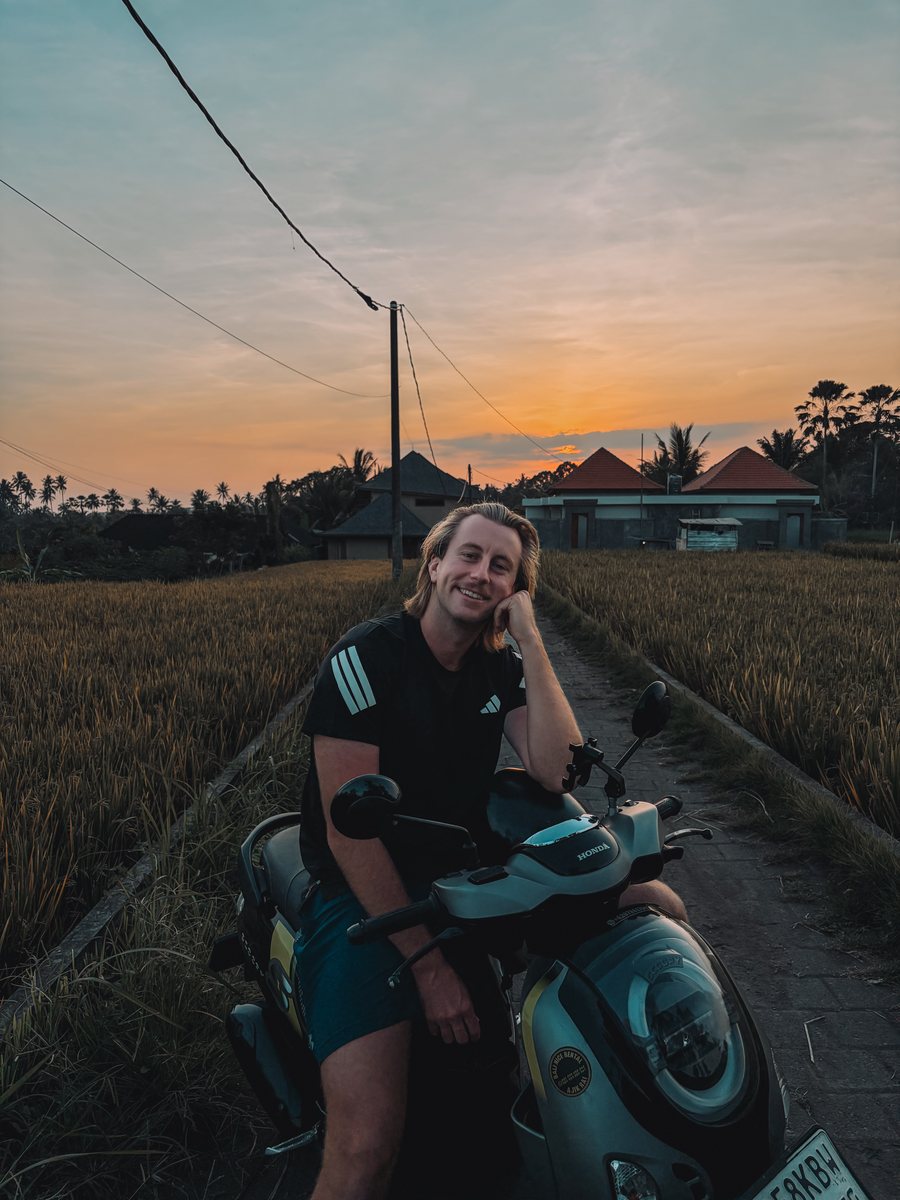
The scooter is still the best way to get around, as long as you have the right licence and ride carefully. Police checks happen, and so do accidents.
To link two distant stops, a private driver for the day is the easiest option. You share the car, and you stop wherever you want along the way.
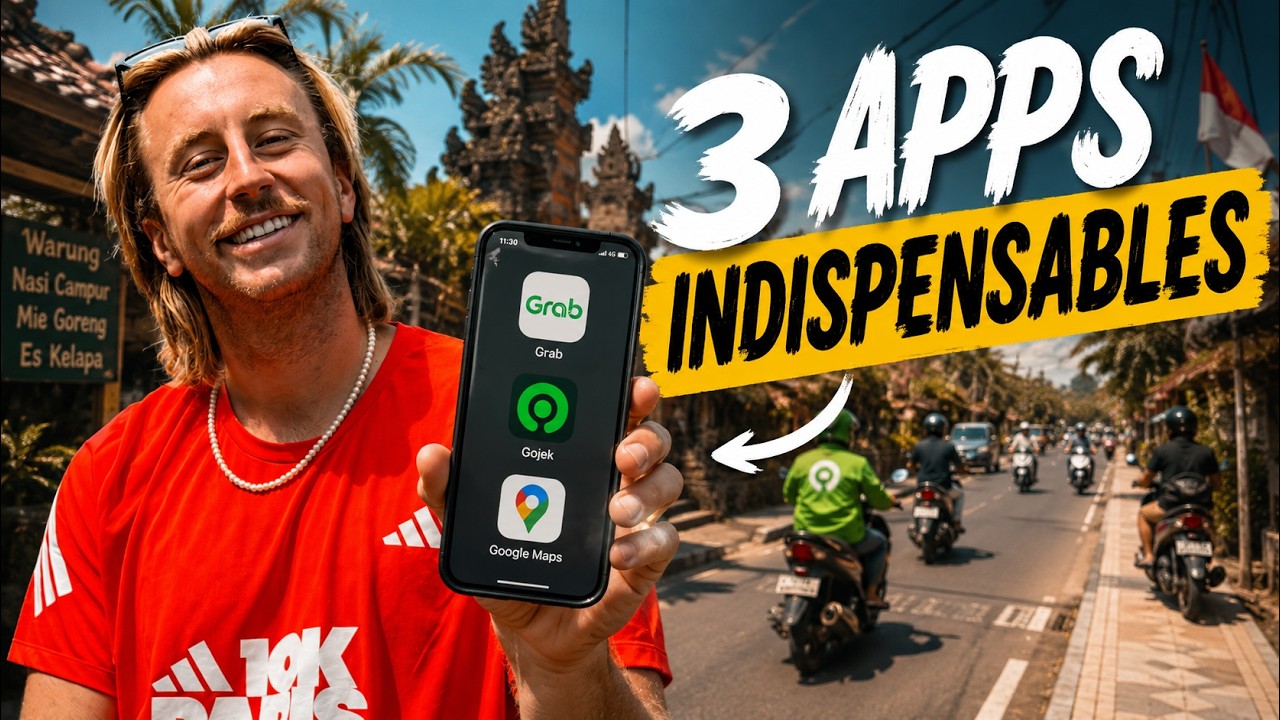
Grab and Gojek work well in the south, but some areas refuse them in favour of local taxis.
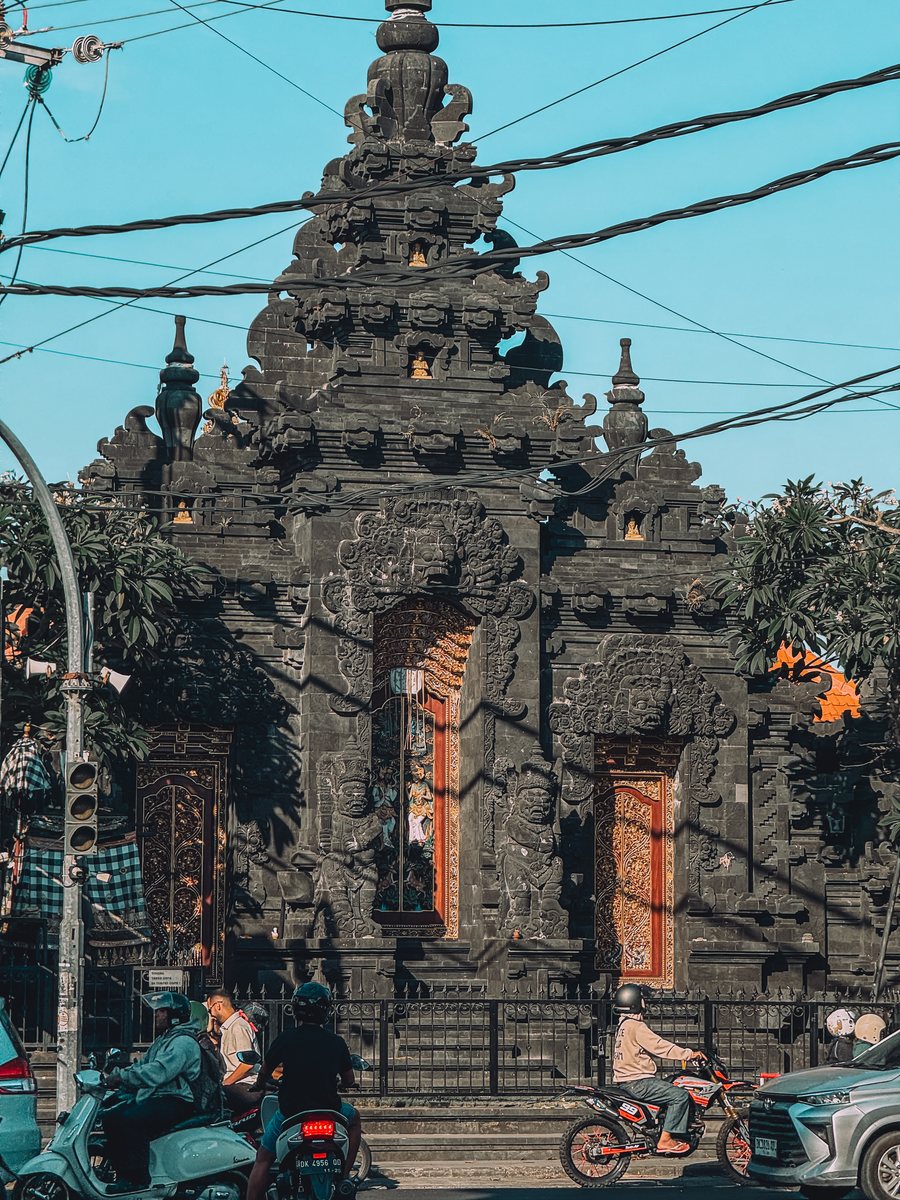
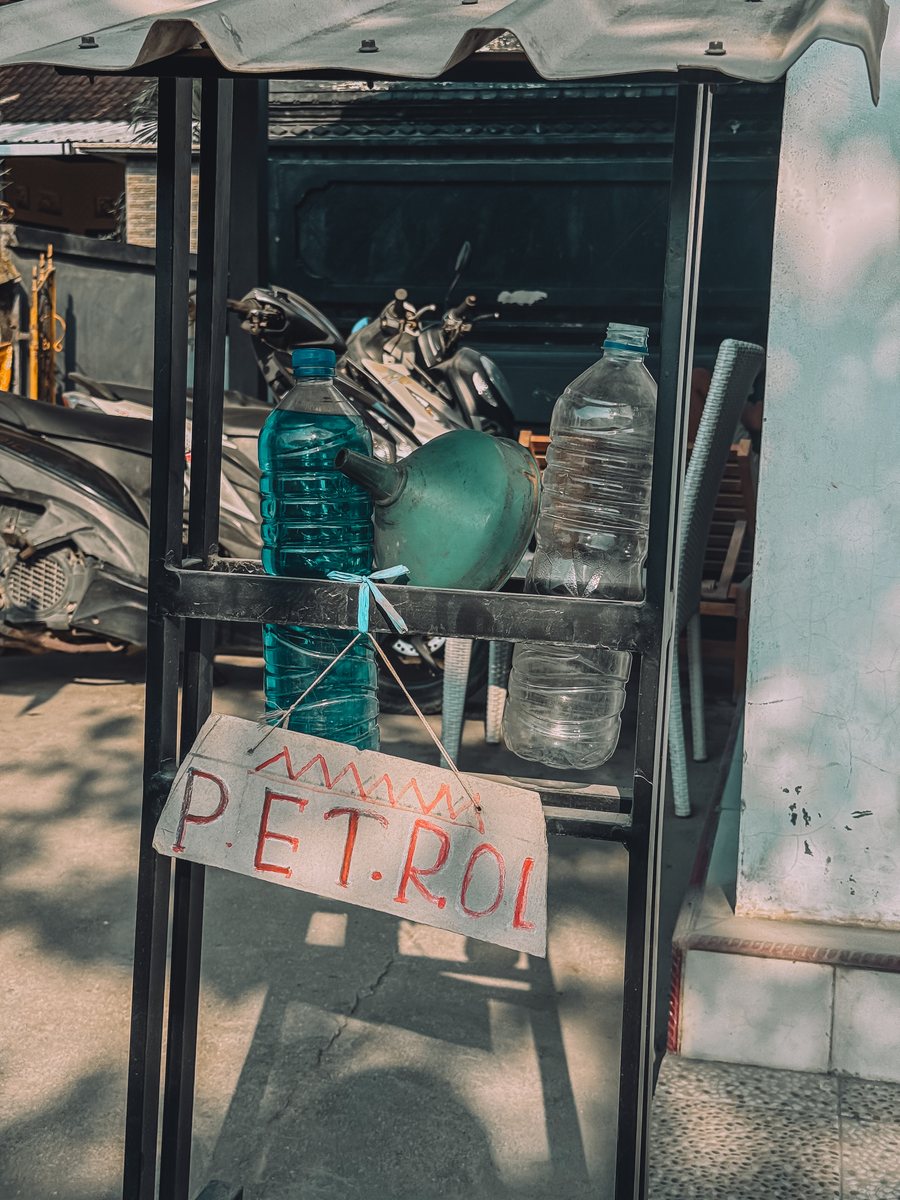
One last point, the most important: in Bali, distances mean nothing. Forty kilometres can take two hours. Always allow plenty of time.

Where to stay
Bali covers the whole range, from a hostel dorm to a villa with a private pool. Three formats come up everywhere.
The family guesthouse, a few rooms around a courtyard, breakfast included. It is the best balance between price and contact with local people.
The mid range hotel with a pool, very common and rarely expensive compared to Europe.
The private villa, which becomes good value for a group. The price per person drops fast as soon as you share.
Two things to check before you book. The real distance by scooter, not as the crow flies: forty kilometres can take two hours. And the road in front of the place, because in the south the scooter noise starts early.
The climate changes from one stop to the next. In Ubud, Munduk and the highlands, nights are cool and a fan is enough. Air conditioning becomes a real criterion on the coast and in the south.
Booking the first night in advance and improvising after that works well, except in July, August and around Christmas, when everything fills up.
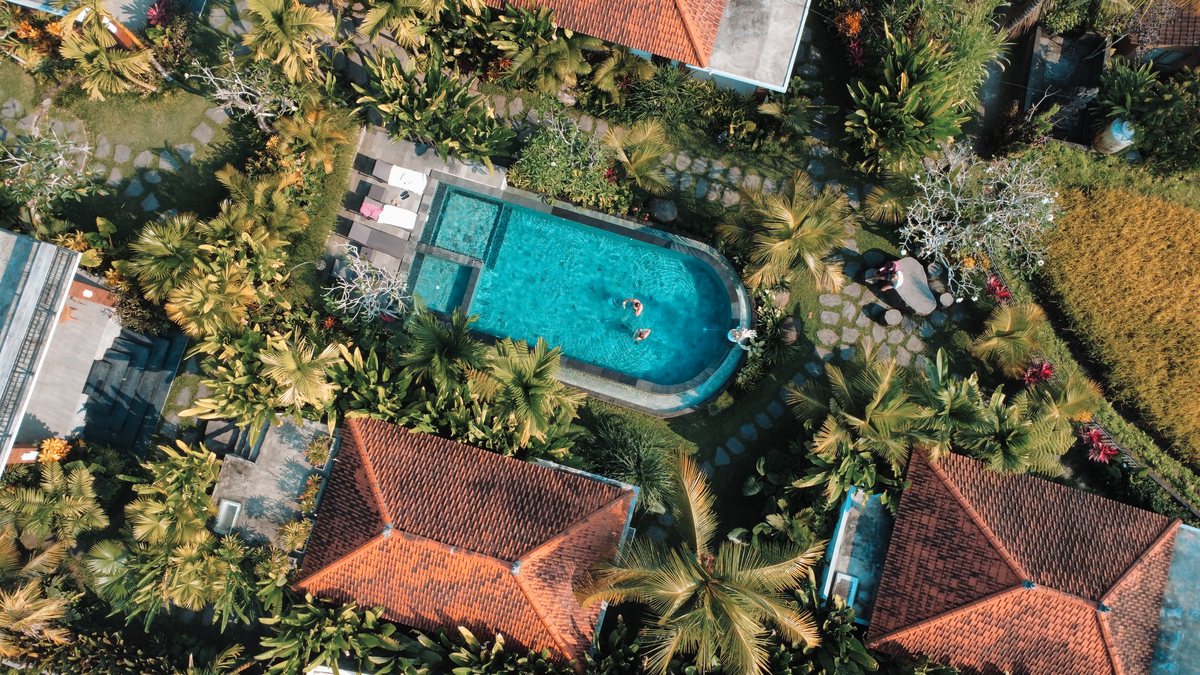
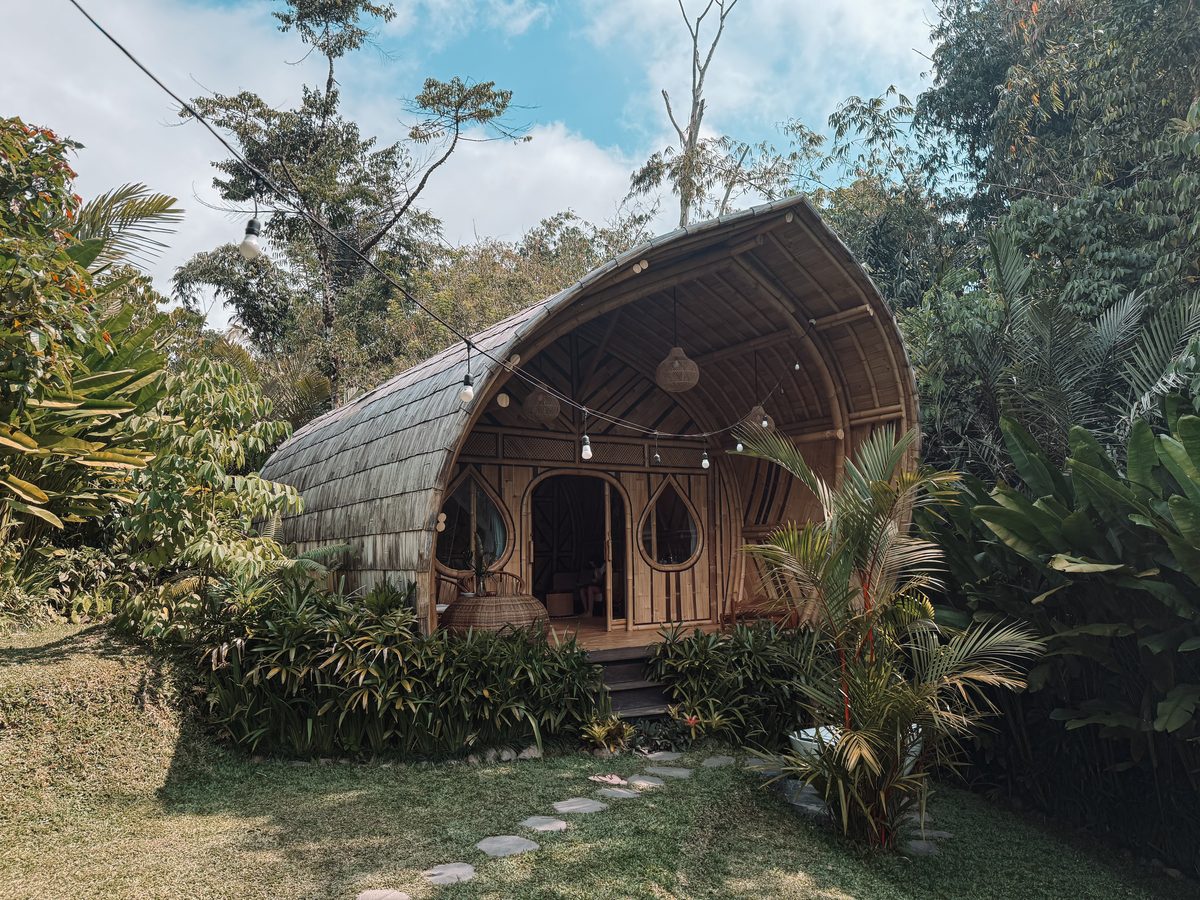
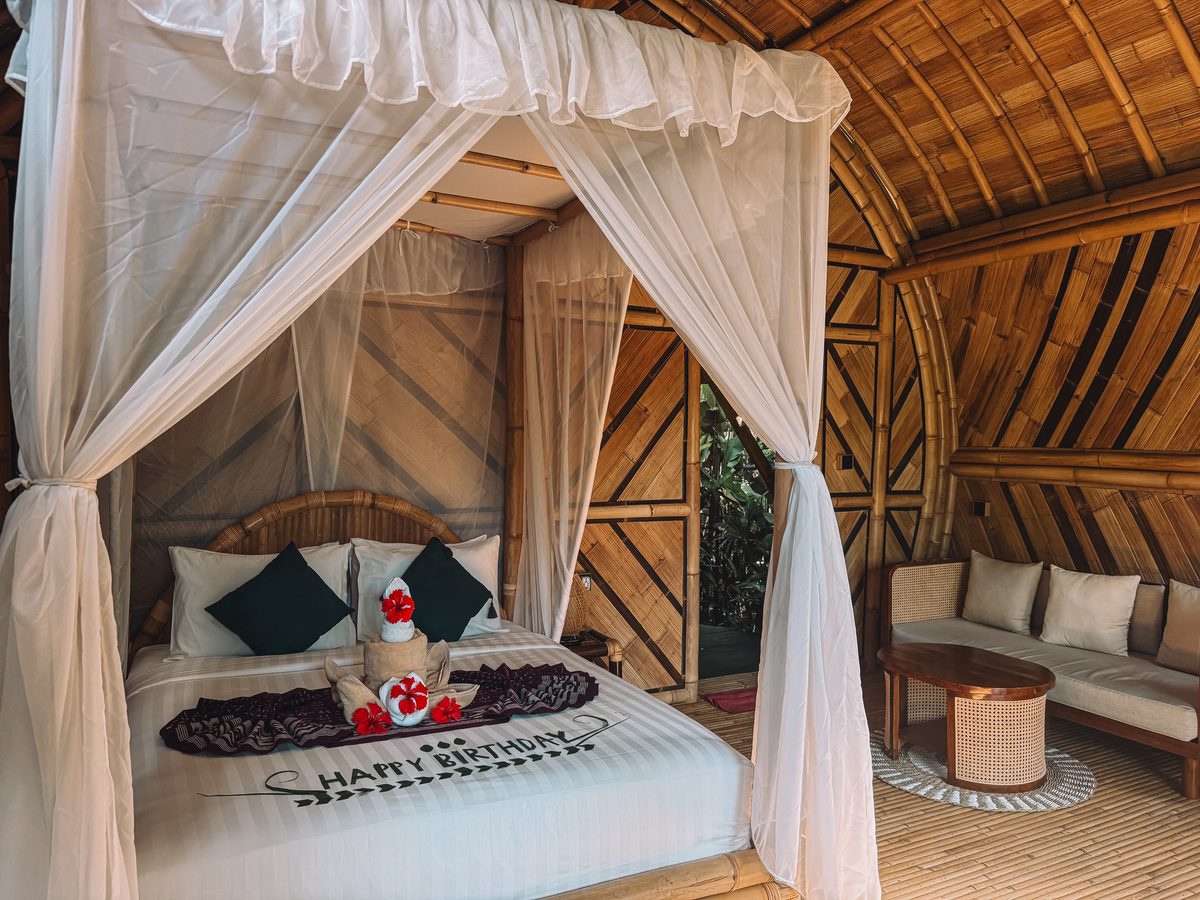
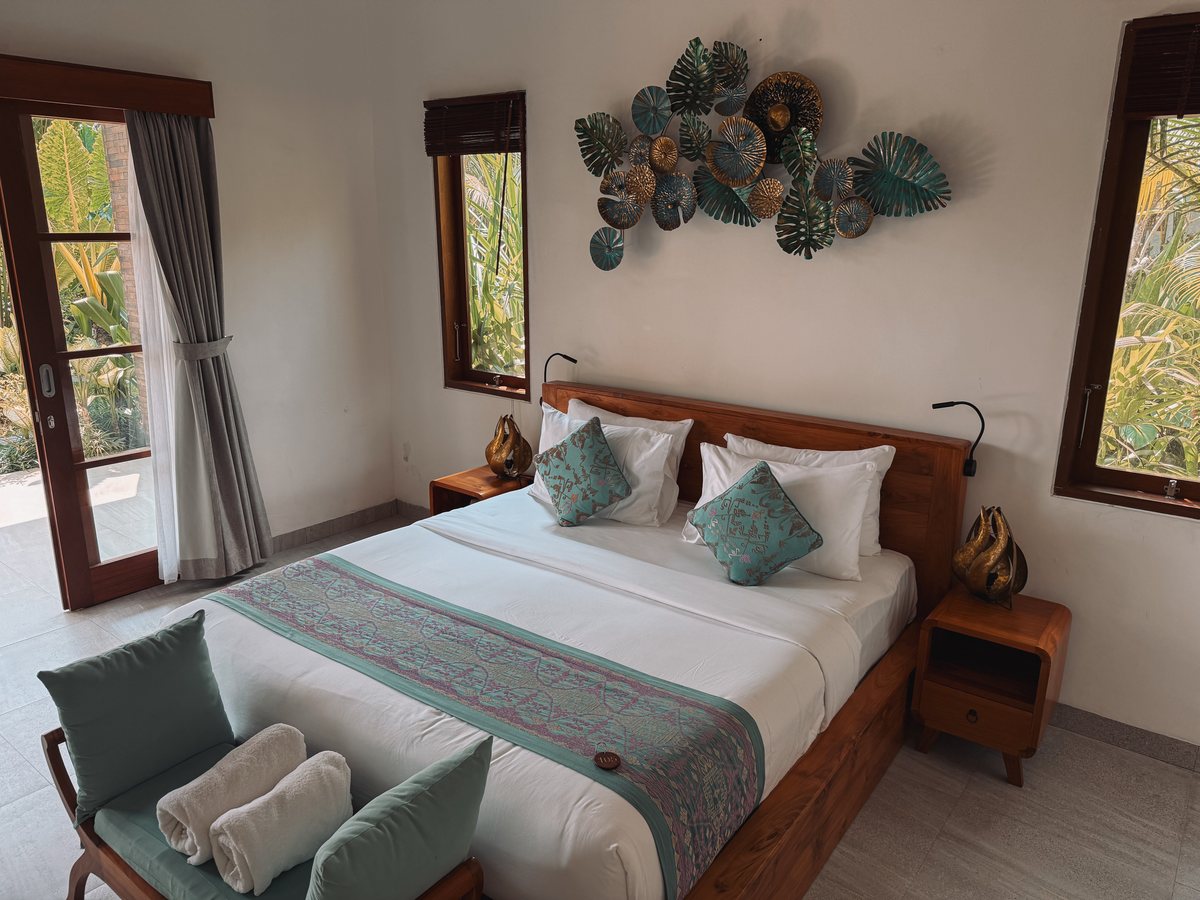
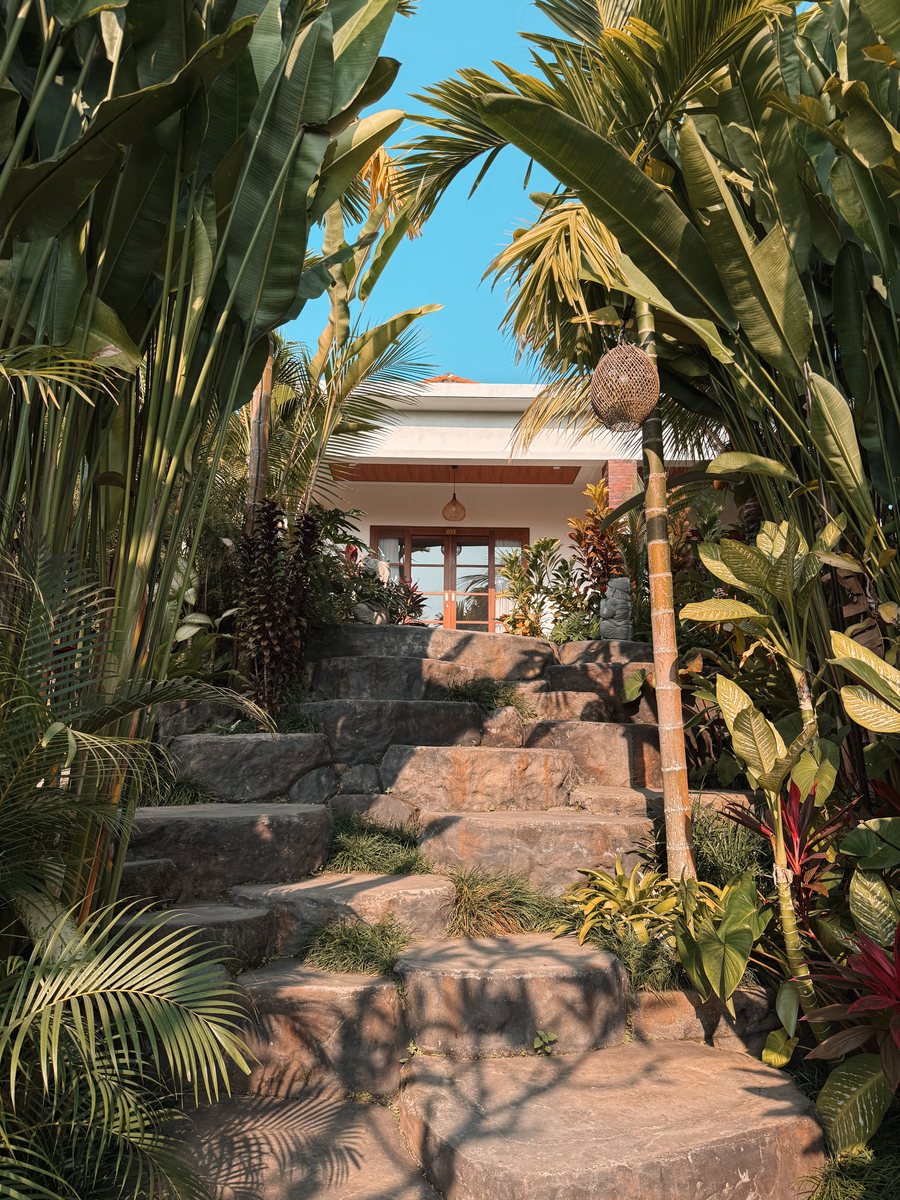
À compléter : où on a dormi à chaque étape, le type de logement et le prix.
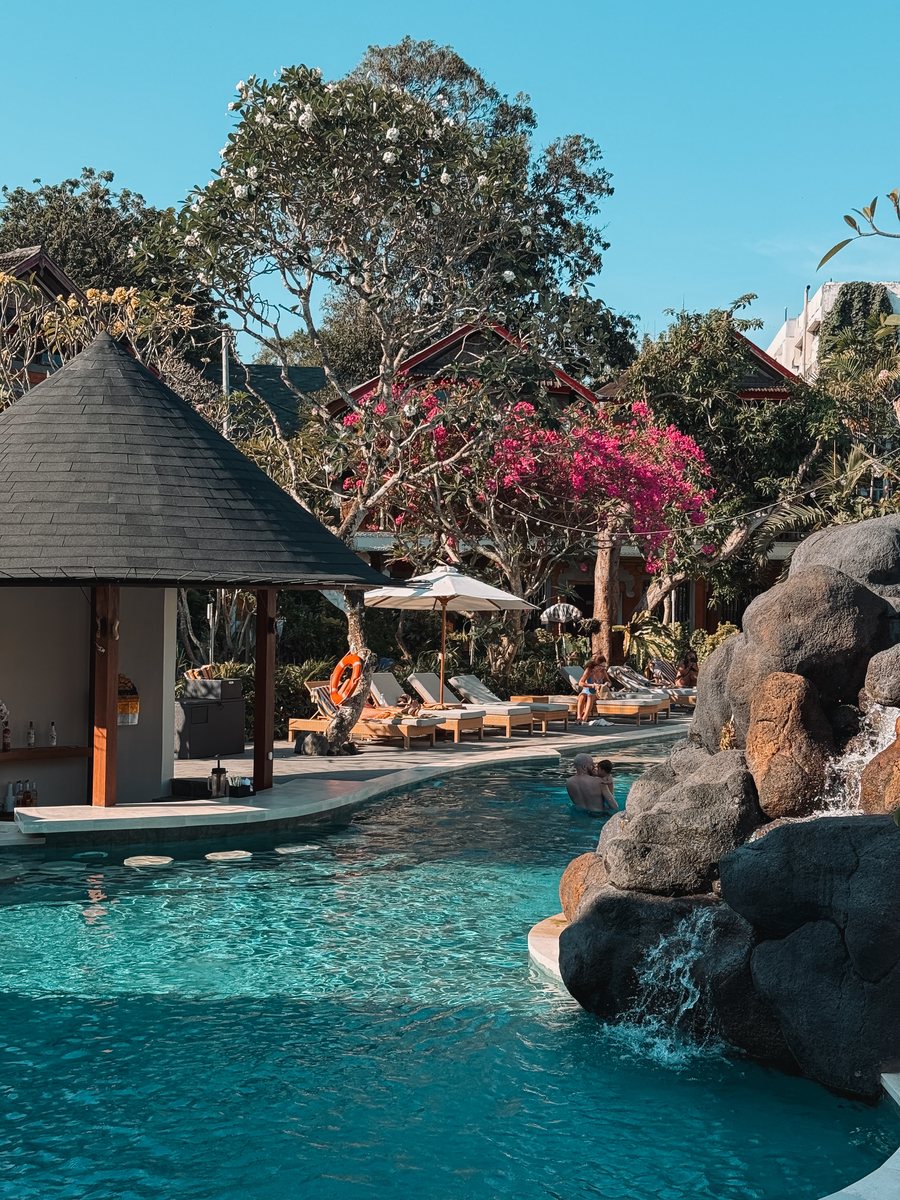
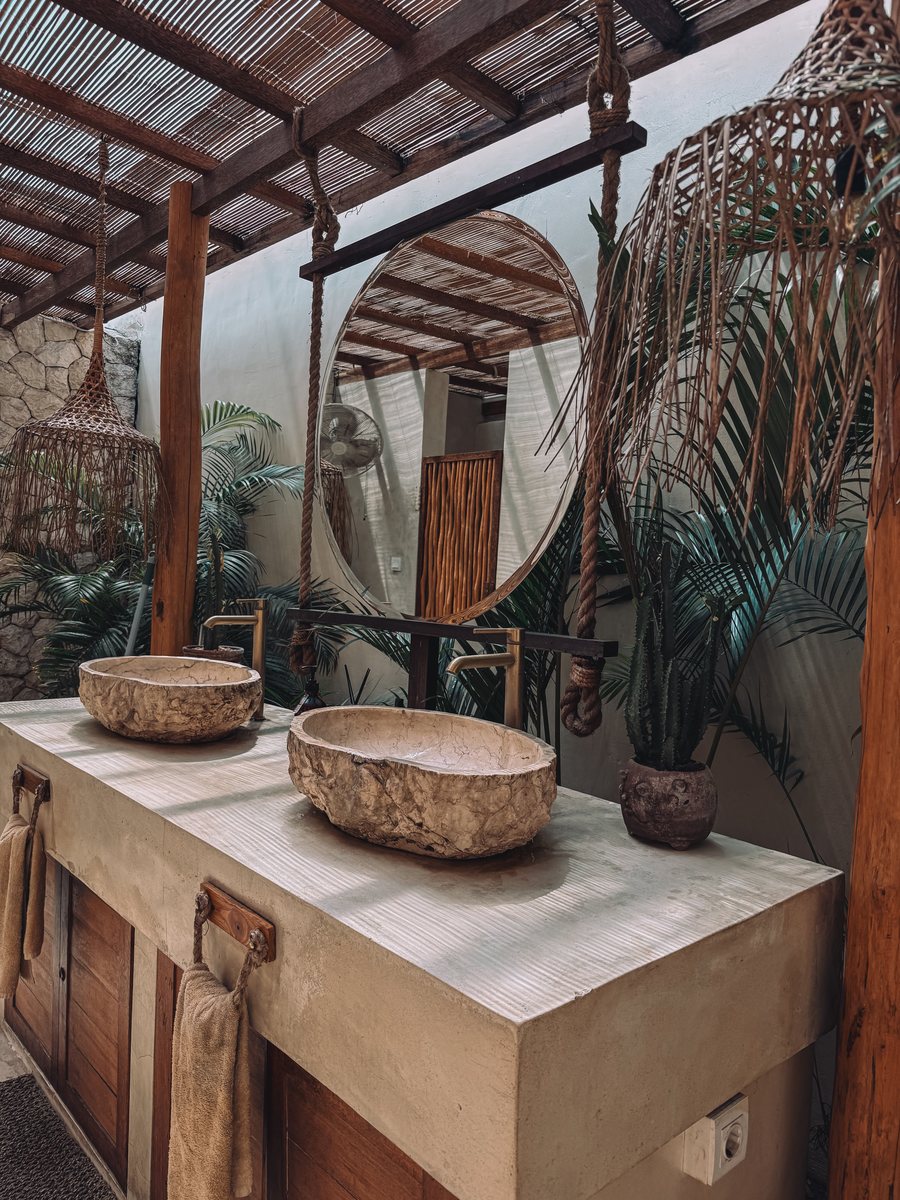
Not to be missed
Uluwatu temple at sunset, the seabed in Amed, the waterfalls of Munduk and the rice fields of Sidemen.
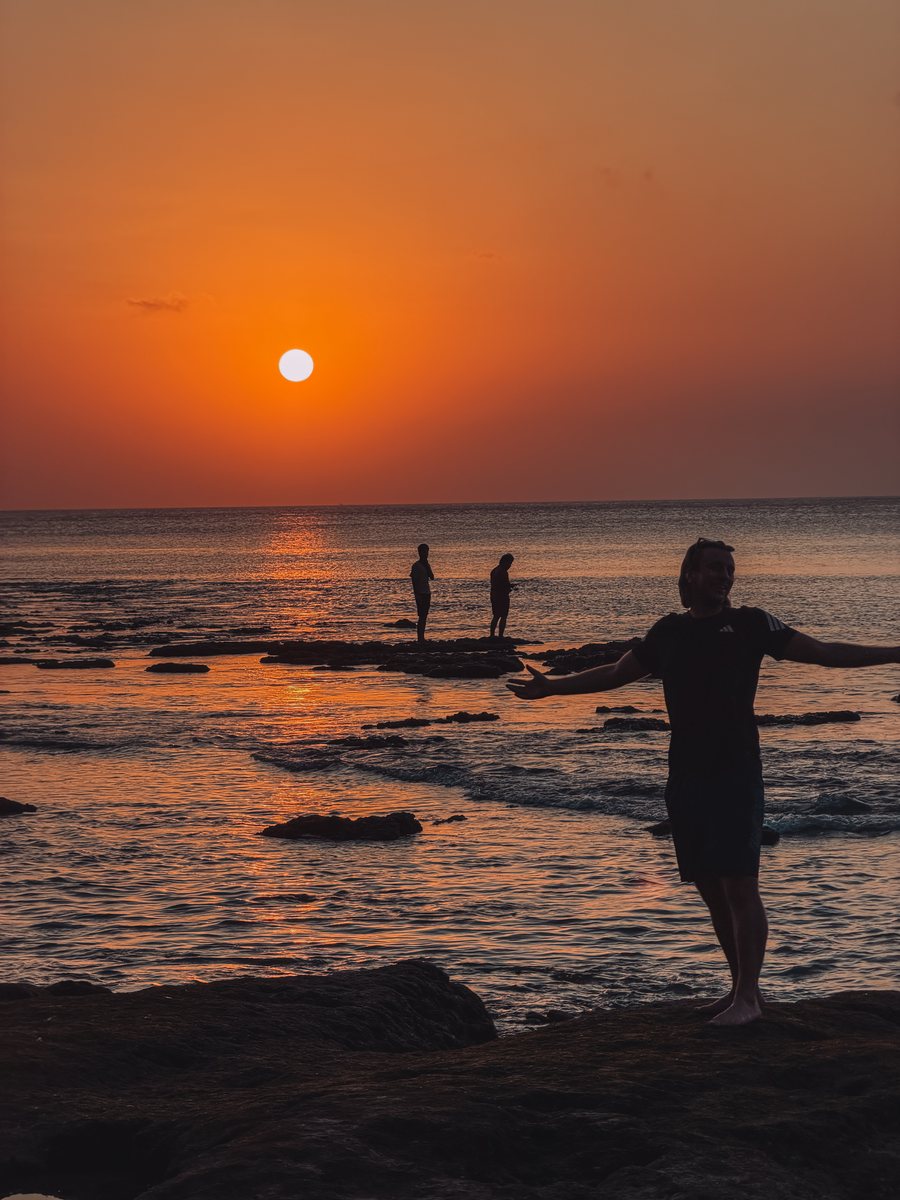
And then there is what you cannot plan. Bali is eight degrees south of the equator: the sun sets fast, at almost the same time all year round, and there is not much better to do at that moment than to be facing the ocean.
The rest depends on how much time you have and how much you want to drive.
Our three highlights. Diving in Amed, for me a must on the island. Nusa Lembongan, where you really get the feeling of being on a small island. And the day with Ganyar, the French speaking guide in Ubud I mentioned above.
Mistakes to avoid
The most common one: trying to do everything from a single base. Bali is small on the map and slow in real life. Better to drop your bag for three nights per stop than to cross the island every day.
Nothing went wrong, and that is no accident: the itinerary was planned in advance, with optimised travel times. That is exactly the work I now do for others, and if you want us to build yours together, let's talk about it.
The only thing I would change. Three nights in Lovina may not be necessary if you have less time on the island. It is the first stop I would drop from a shorter itinerary.
What to pack
The climate is tropical all year round, but you get around the island by scooter and visit it temple by temple. Three constraints that decide what goes in your bag.
For riding. An international driving permit with the motorbike category is required by law and by insurers. Without it, nobody covers you in an accident. A helmet is compulsory, even on short trips.
For temples. Shoulders and knees covered, and a sarong. They are often lent at the entrance, but having your own saves you the queue.
For water and sun. Sunscreen, a dry bag for the boat crossings to the Nusa islands, and shoes that dry quickly. The sun is straight overhead, it burns faster than you think.
Electricity. Indonesia runs on 230 volts, with round type C and F sockets, the same as in France and most of Europe. If you come from there, you do not need an adapter, despite what you often read.
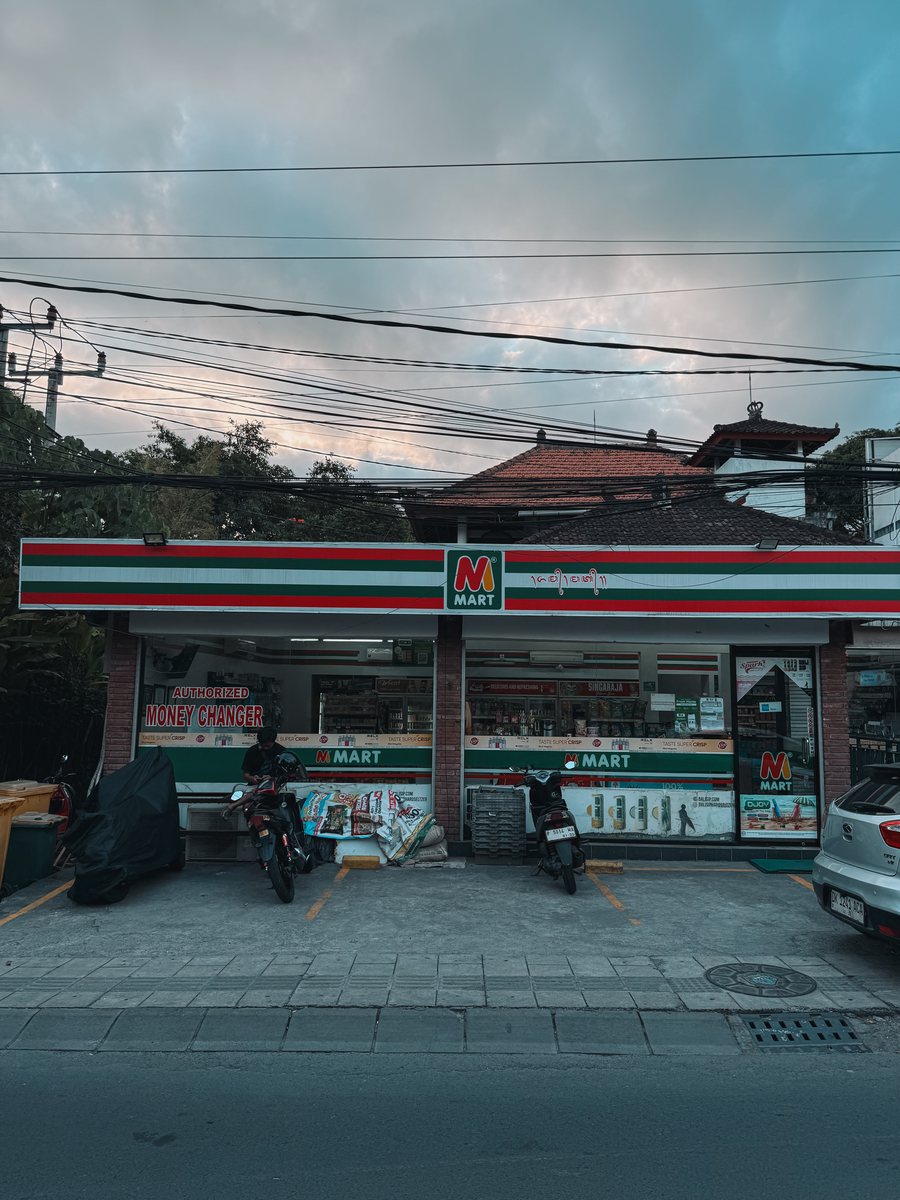
Money. ATMs are everywhere in the south, rarer inland and in the north. Many warungs and rental shops only take cash.
How it went for us. We travelled with backpacks, but Bali works very well with a suitcase, unlike other destinations in Southeast Asia.
The advice that applies to all my trips: pack as light as possible. You will be tempted to buy things there, clothes in particular, and you need space for that.
The international driving permit, I had it on me. Nobody ever asked for it. That does not change what I wrote above: the day things go wrong, it is what decides whether you are covered or not.
Helmets, we always had them with the rental scooters. On a Grab motorbike, however, you sometimes have to ask: the driver has one in his storage box but does not always offer it.
Shall we plan your trip together?
This guide gives you the outline. If you want to go further, I build your itinerary with you: the route stage by stage, where to stay, the journeys between towns and the activities that are really worth the day.
We start from your dates, your budget and what you want to experience. You leave with a plan that is ready to follow, knowing what to book in advance and what can wait until you get there.
Three packages, from 59 € for feedback on your plan to 249 € for the full itinerary. The first chat is free, with no commitment.
The links and gear mentioned
The booking platforms, eSIMs, banks and insurance I use when I travel are all on one page, with my referral codes.
Page checked and updated on .